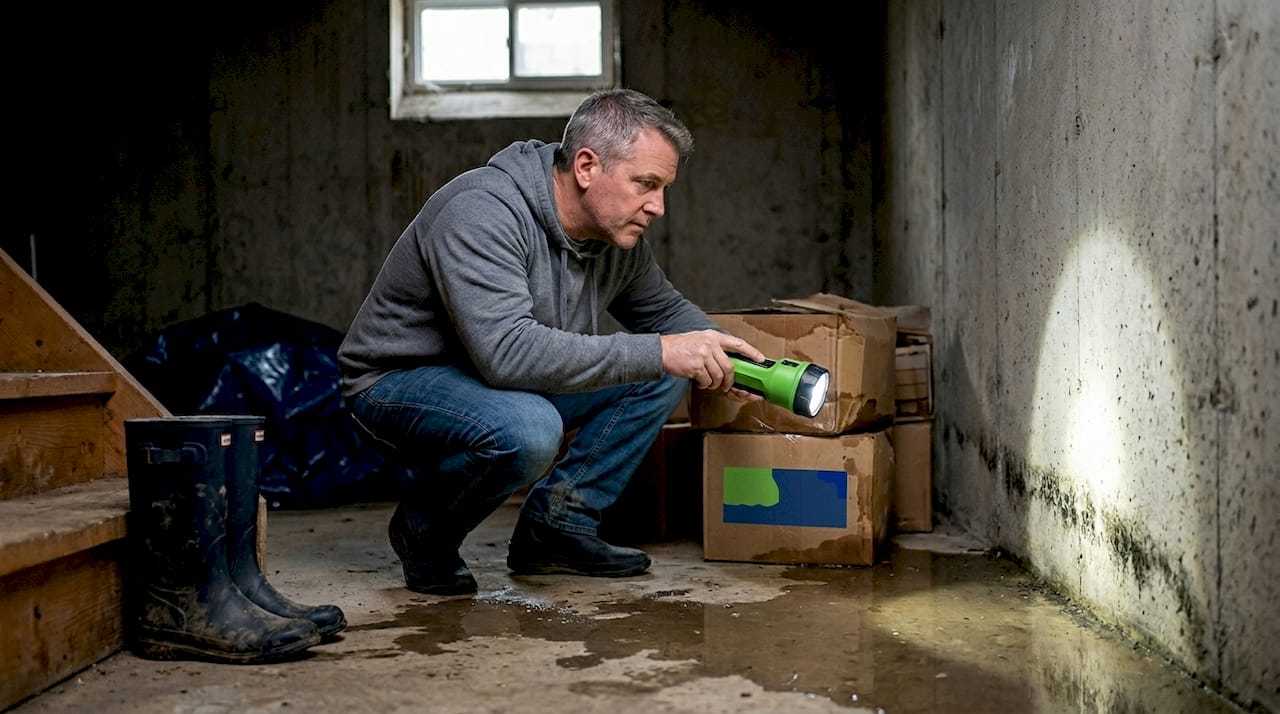
Flooding is stressful enough on its own, but the real threat often shows up days later, quietly spreading through walls, floors, and ceilings. Mold can establish itself within 24 to 48 hours of water damage, meaning that even a modest basement flood can turn into a serious mold problem before the carpets are fully dry. For homeowners in the Chicago area, where heavy rain events and aging infrastructure make flooding a recurring reality, understanding what you’re dealing with, and how to respond fast, can be the difference between a manageable cleanup and a months-long ordeal.
Table of Contents
- Key criteria for identifying mold after flooding
- Common types of mold found after flooding
- How water contamination changes the mold risk
- Steps to take if you suspect mold after a flood
- Our take: why “type of mold” is less important than swift action
- Get expert help for post-flood mold challenges
- Frequently asked questions
Key Takeaways
| Point | Details |
|---|---|
| Mold grows fast | Mold colonies can begin to grow as soon as 24 to 48 hours after flooding if areas stay wet. |
| Contamination matters | The safety risks and clean-up approach depend more on floodwater contamination than mold color or type. |
| Multiple types possible | Flooded homes can host several mold genera at once—color is not a guide to danger. |
| Professional help advised | Specialists are recommended if there’s contamination, hidden growth, or homeowners have ongoing health concerns. |
Key criteria for identifying mold after flooding
With the urgency of post-flood mold risk clear, it’s vital to know what to look for and how professionals approach the situation. Most homeowners focus on what color the mold is or whether it looks “dangerous.” But that’s not actually how restoration professionals assess the problem. The real framework is built around three core factors: the source of the moisture, the contamination level of the water, and how long materials stayed wet.
Here’s what those factors actually mean in practice:
- Moisture source: A slow roof leak creates different conditions than a sewage backup. The source determines what kind of organisms are likely present and how aggressively you need to respond.
- Water contamination level: Floodwater is classified into three categories. Category 1 is clean water from a broken supply line. Category 2 (gray water) comes from appliances or sinks and contains some contaminants. Category 3 (black water) is grossly contaminated, including sewage and outdoor floodwater. According to EPA mold cleanup guidance, the contamination level directly affects which materials can be saved and what safety measures are required.
- Time materials stayed wet: The longer porous materials like drywall, insulation, and wood stay saturated, the deeper mold penetrates. After 48 hours, surface cleaning is rarely enough.
- Hidden moisture pockets: Mold thrives in areas with poor airflow. Inside wall cavities, under flooring, and in HVAC systems are common spots that get missed in a basic walkthrough.
Pro Tip: Don’t rely on smell alone to detect mold. A musty odor often means mold is already well established behind a surface, not just starting to grow. If you smell it, the problem is likely bigger than it looks.
Proper mold remediation guidance always starts with moisture assessment, not mold identification. Getting the water out and the materials dry is the foundation of every successful remediation. Homeowners who focus first on protecting your home against water damage before and after a flood event consistently see better outcomes. And if your home has a forced-air system, understanding mold prevention in HVAC is a critical piece of the puzzle, since ducts can spread spores throughout the entire house.
Common types of mold found after flooding
Now that you know the key factors, let’s look at which types of mold most frequently appear in flood-affected homes and what sets them apart.
The five most common mold genera found in post-flood environments are Stachybotrys, Aspergillus, Penicillium, Cladosporium, and Fusarium. Each has distinct characteristics, but here’s the important thing: color alone is not reliable for identifying any of them. A patch of black mold might be Stachybotrys, or it might be Cladosporium, which is far less concerning. Multiple species often grow side by side, making visual identification even less useful.
| Mold type | Common appearance | Typical location | Key concern |
|---|---|---|---|
| Stachybotrys | Dark green to black, slimy | Wet drywall, cellulose materials | Mycotoxin production with prolonged exposure |
| Aspergillus | Green, yellow, or brown | HVAC systems, insulation | Respiratory irritation, allergic reactions |
| Penicillium | Blue-green, powdery | Carpets, wallpaper, upholstery | Fast-spreading, strong musty odor |
| Cladosporium | Olive green to black | Wood, painted surfaces, fabrics | Triggers asthma and allergy symptoms |
| Fusarium | Pink, white, or red | Wet flooring, carpets | Can grow at cooler temperatures |
A few important things stand out from this list. First, Fusarium is unusual because it can grow even in cooler, damp conditions, which matters for Chicago homeowners dealing with flooded basements in spring or fall. Second, Aspergillus is one of the most common molds in indoor environments generally, and it thrives in HVAC systems. Signs of mold in HVAC systems should be taken seriously because the system can distribute spores to every room in the house.
Important: Post-flood mold problems can persist for years. Research into flooding health impacts on Chicago-area residents shows that mold exposure can worsen conditions like asthma long after the initial flood event is over. This is not a problem that resolves itself.
Here’s what all five mold types have in common: they all need moisture to survive, and they all produce spores that affect indoor air quality. The specific species matters far less than how quickly you eliminate the conditions that allow any of them to grow.
- All five types can co-exist in the same flooded space
- All five are capable of causing respiratory irritation, especially in children, the elderly, and those with existing conditions
- None of them can be reliably identified by color alone
- All of them can be controlled through the same core approach: fast drying, material removal, and professional remediation when needed
Pro Tip: If you’re making temporary repairs after water damage, avoid sealing up walls or covering floors before moisture readings confirm everything is dry. Trapping moisture accelerates mold growth dramatically.
How water contamination changes the mold risk
Knowing the types is just one step. Mold risk isn’t only about spores. It hinges on the kind of floodwater that affected your property, and this is where many homeowners underestimate the situation.
The three water categories aren’t just technical labels. They determine what you can safely keep, what has to go, and whether DIY cleanup is even an option.
| Water category | Source examples | Mold risk level | Typical material response |
|---|---|---|---|
| Category 1 (clean) | Broken supply pipe, rain through roof | Moderate if dried within 24-48 hours | Many materials salvageable with fast drying |
| Category 2 (gray) | Washing machine overflow, dishwasher leak | Elevated, contaminants accelerate growth | Porous materials often need removal |
| Category 3 (black) | Sewage backup, outdoor floodwater, river flooding | High, pathogens and mold present together | Most porous materials require removal |
The distinction between Category 1 and Category 3 is significant. A burst supply pipe in your laundry room is a serious problem, but it’s manageable with fast action and proper drying. A sewage backup or outdoor floodwater event is a different situation entirely. EPA cleanup guidance is clear that grossly contaminated water requires more aggressive material removal and much stricter safety protocols.
Reality check: Most flooding in the Chicago area during heavy rain events qualifies as Category 3. When stormwater overflows the sewer system, it mixes with sewage. That means the water in your basement after a major storm is not just dirty water. It carries bacteria, viruses, and the conditions for rapid, aggressive mold growth.
Here’s what changes with contaminated water:
- Drywall almost always has to go. It’s porous, it absorbs contaminated water, and it can’t be effectively cleaned or disinfected.
- Carpeting and padding are typically unsalvageable. The fibers trap contaminants and mold spores that cleaning cannot fully remove.
- Wood framing may need treatment or replacement depending on how long it stayed wet and the contamination level.
- Personal protective equipment is non-negotiable. Gloves, N95 masks, and eye protection are the minimum for working in Category 3 environments.
Understanding how restoration pros assess water damage helps you appreciate why the first step is always categorizing the water source, not identifying the mold. The water category drives every decision that follows. And pairing that knowledge with mold prevention methods for your HVAC system ensures you’re not overlooking a major secondary risk.
Steps to take if you suspect mold after a flood
Understanding the variables influencing mold growth means you can respond more effectively. Here’s how to act fast when mold is suspected.
-
Start drying immediately. Open windows if outdoor humidity allows, run fans, and get a dehumidifier running as fast as possible. The goal is to get below 50% relative humidity throughout the affected area. Fast drying and removal are the most effective tools against mold establishment.
-
Remove wet items and materials. Wet carpeting, rugs, furniture, and cardboard boxes should come out quickly. Porous materials that stay wet become mold incubators within hours.
-
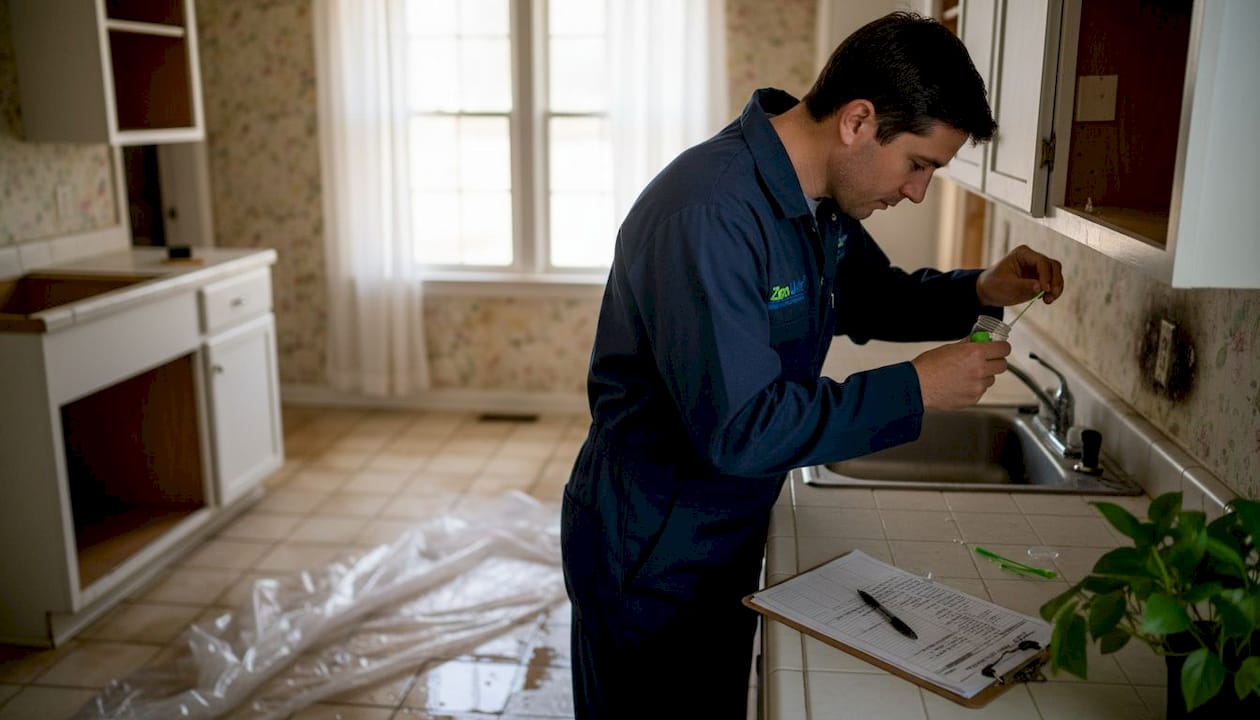
Check hidden areas. Don’t assume that because the visible floor looks dry, the problem is resolved. Check behind baseboards, inside wall cavities, under subfloor, and in crawl spaces. Moisture meters are inexpensive and available at hardware stores.
-
Inspect your HVAC system. If your system ran during or after the flood, it may have pulled in contaminated air. Check filters, coils, and ductwork for signs of moisture or mold growth before running the system again.
-
Document everything for insurance. Take photos and video before you remove or dispose of anything. Your insurance claim depends on documentation. Understanding the unknown risks of water damage includes knowing that delayed discovery of mold can complicate claims.
-
Call a professional for contaminated water events. If the flooding involved sewage, outdoor stormwater, or any Category 2 or 3 source, professional remediation is strongly recommended. Choosing a water damage restoration firm with experience in mold remediation and insurance coordination makes a significant difference in outcomes.
Pro Tip: Don’t use bleach on porous surfaces like drywall or wood and expect it to solve a mold problem. Bleach kills surface mold but doesn’t penetrate porous materials, and it won’t stop mold from returning if the moisture source isn’t eliminated.
Our take: why “type of mold” is less important than swift action
With these steps in mind, let’s reflect on what really drives positive outcomes when managing post-flood mold challenges.
After working with homeowners across the Chicagoland area for over a decade, we’ve seen a consistent pattern. Homeowners who spend time worrying about whether they have “black mold” or trying to identify the species often lose the most critical window for action. The 24 to 48 hour period after a flood is when fast drying and material removal can actually prevent mold from becoming a major problem. Spending that time on internet research instead of moisture control is one of the most common and costly mistakes we see.
The truth is that mold species are frequently mixed in post-flood environments. Even professional air sampling often reveals multiple genera present at the same time. Focusing on the species is like worrying about which brand of fuel started a house fire while the fire is still burning. The priority is always the same: eliminate moisture, remove compromised materials, and restore air quality.
What actually determines long-term outcomes is the combination of three things. First, how quickly the moisture was addressed. Second, whether the water contamination level was properly accounted for in the cleanup approach. Third, whether hidden moisture pockets were found and treated. Homeowners who get all three right, whether through fast DIY action on a clean water event or through professional help on a contaminated water situation, consistently avoid the years-long mold problems that restoration pros assess in homes where the initial response was delayed or incomplete.
The EPA’s guidance on mold cleanup reinforces this directly: the moisture source, contamination level, and duration of wetness are the primary drivers of mold risk, not the species name. We’ve seen homeowners pay for extensive mold testing when what they actually needed was a dehumidifier and a dumpster. We’ve also seen homeowners try to manage Category 3 contamination events themselves and end up with health problems months later. Knowing which situation you’re in matters far more than knowing the genus of the mold on your wall.
Get expert help for post-flood mold challenges
If you’re dealing with mold after a flood in the Chicagoland area, the most important thing you can do right now is get an expert set of eyes on the situation before the window for effective action closes.
Zero Water Restoration provides professional mold remediation and full-scope water damage restoration throughout the northwest suburbs and greater Chicago area. Whether you’re in Schaumburg, Palatine, or need water damage restoration in Barrington, the team responds 24/7 and brings the equipment, experience, and documentation support to handle your situation from start to finish. They also work directly with insurance providers to manage your claim, taking the paperwork burden off your plate. For help with insurance claims for water damage or to schedule a free inspection, call (847) 515-7000 or visit zerowaterrestoration.com.
Frequently asked questions
How soon can mold begin growing after a flood?
Mold can start growing within 24 to 48 hours after water damage if wet materials are not properly dried, making fast action the single most important factor in prevention.
Is it dangerous to clean up mold from contaminated floodwater myself?
Yes, it carries real health risks. Contaminated floodwater cleanup involves pathogens alongside mold, and professional remediation is strongly recommended for Category 2 or Category 3 water events.
Does the color of mold tell me how dangerous it is?
No. Mold color is unreliable as an indicator of species or danger, since multiple genera can look similar and different species can share the same color range.
Can mold problems last for years even after a flood is over?
Yes. Research on Chicago-area flood health impacts shows that mold exposure can persist for years after flooding and worsen chronic conditions like asthma in affected residents.
What should I do first if I find mold after flooding?
Start drying wet areas immediately, remove saturated materials, and contact a professional if the flooding involved contaminated water. Fast removal and drying are the most effective first steps you can take.