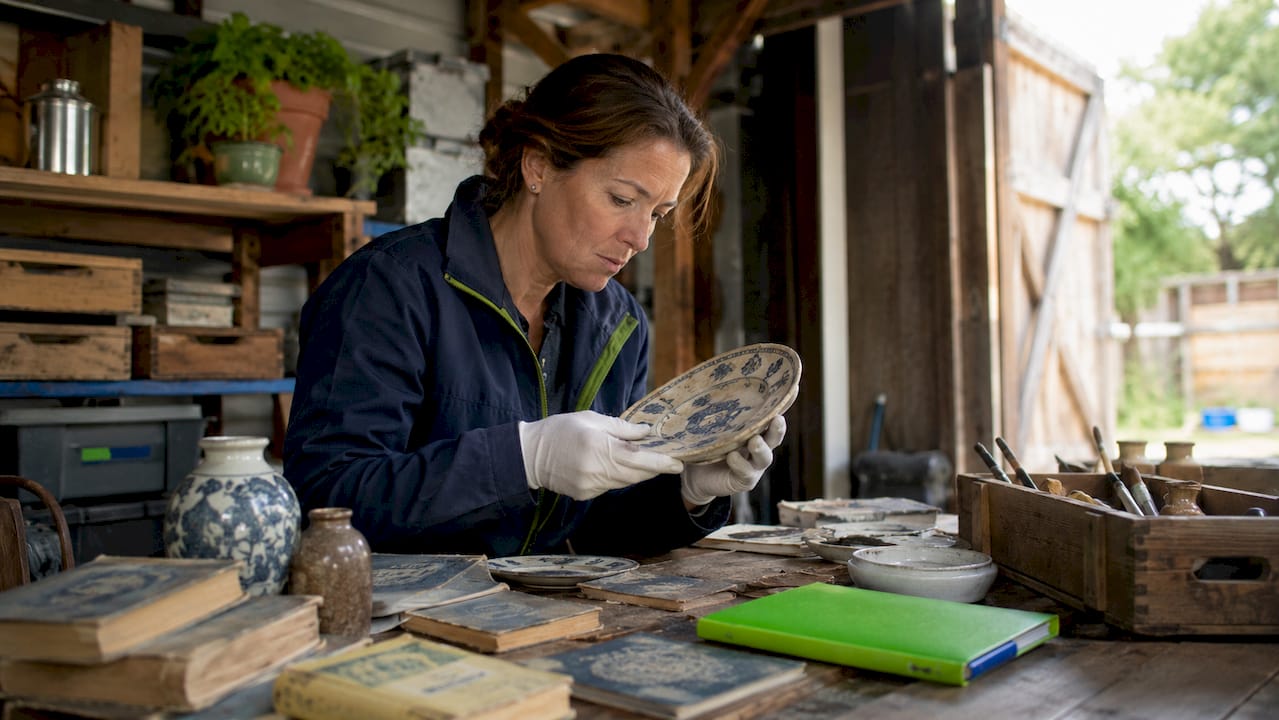
Contents restoration is the professional process of cleaning, deodorizing, repairing, and preserving personal property damaged by fire, water, smoke, or mold. The goal is to return belongings to their pre-loss condition rather than replacing them outright. This approach follows IICRC S100 and S500 standards, which categorize damaged items and guide every decision a restoration team makes. For homeowners and business owners facing a disaster, understanding what is contents restoration can mean the difference between losing irreplaceable items and getting them back.
What is contents restoration and how does it work?
Contents restoration is the systematic recovery of personal belongings after a disaster event. Professionals evaluate each item, apply specialized cleaning or repair techniques, and return the item to its original condition wherever possible. This process covers everything from furniture and clothing to electronics, documents, and artwork.
The contents restoration process begins with a formal damage assessment. Restoration professionals walk through the affected property and sort every item into one of three categories defined by IICRC standards: Salvageable, Questionable, or Non-Salvageable. Salvageable items go directly into the cleaning and restoration pipeline. Non-Salvageable items are documented for replacement claims. Questionable items require a documented cleaning trial on a representative section before a final decision is made.
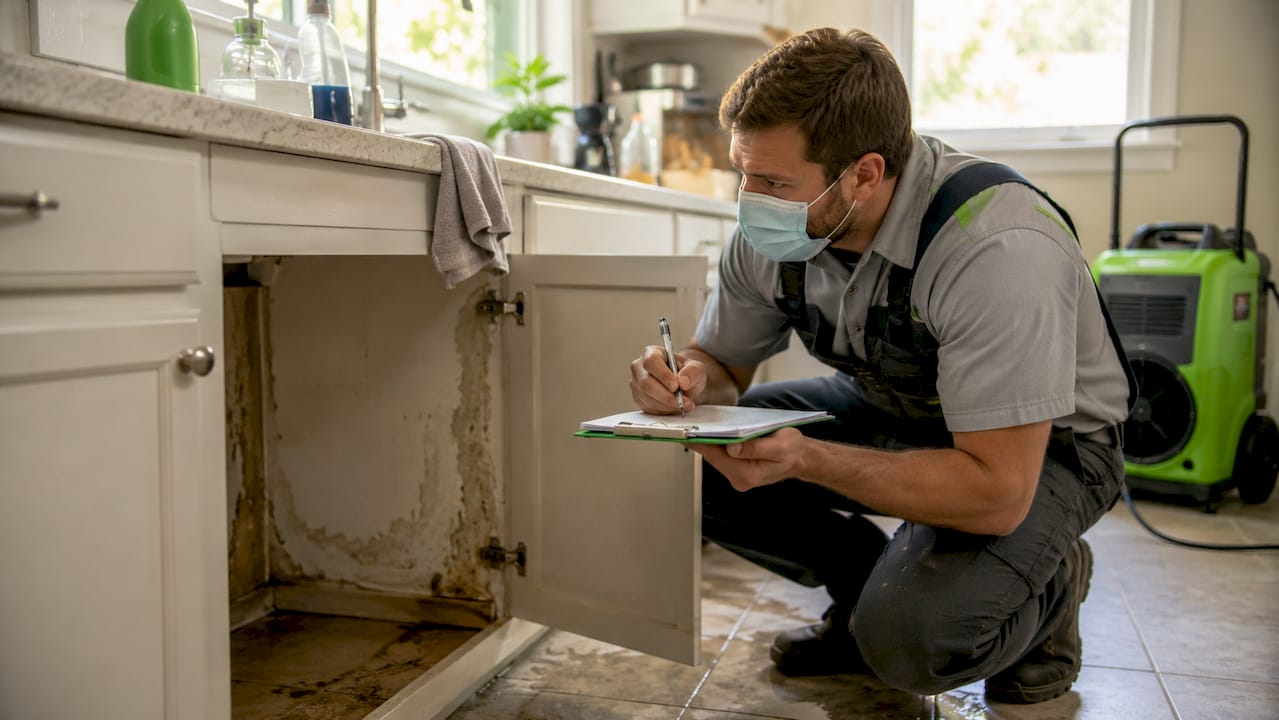
Speed is critical at this stage. Mold growth begins within 24–48 hours on wet materials, which means delays convert salvageable belongings into total losses. That urgency drives the pack-out procedure, where professionals remove items from the damaged property and transport them to a climate-controlled facility for safe storage and treatment.
The pack-out is far more than a moving job. Professionals segregate items by material and condition, photograph each room before removal, and create a detailed inventory. That documentation becomes critical evidence when working with your insurance adjuster.
Pro Tip: Ask your restoration team for a room-by-room photo log before any items leave the property. This record protects you if disputes arise during the claims process.
- Initial walkthrough: Assess all affected areas and identify damaged contents.
- Categorization: Sort items into Salvageable, Questionable, and Non-Salvageable using IICRC criteria.
- Cleaning trials: Test Questionable items with controlled cleaning methods before committing to restoration or replacement.
- Pack-out: Remove and transport items to a climate-controlled storage facility.
- Restoration: Apply appropriate cleaning, drying, and repair techniques at the facility.
- Return: Deliver restored items once the property is ready for reoccupancy.
What techniques do professionals use in contents restoration?
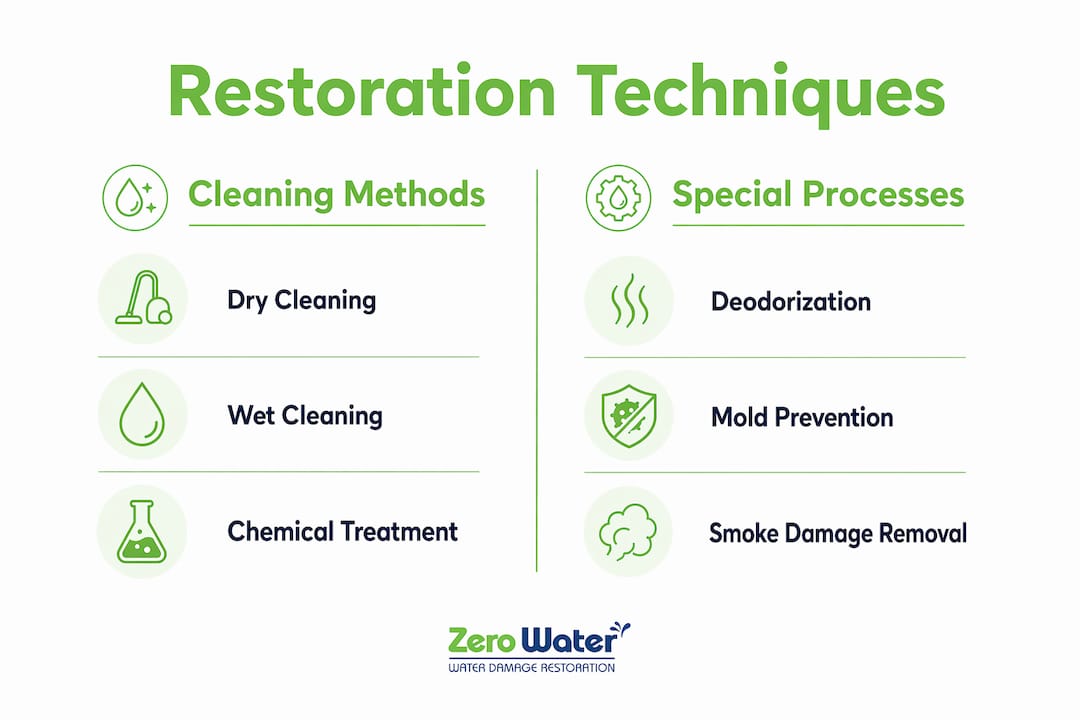
Professional contents restoration is a blend of chemistry and physics, not just cleaning. Restoration technicians select methods based on the type of damage, the material involved, and the item’s condition. Using the wrong technique on the wrong material causes secondary damage that makes recovery impossible.
The most common contents recovery techniques include:
- Ultrasonic cleaning: High-frequency sound waves agitate water to remove soot, smoke residue, and contaminants from hard surfaces, metals, and electronics without abrasive scrubbing.
- Ozone treatment: Ozone gas neutralizes smoke and mold odors at the molecular level. This method works on fabrics, furniture, and enclosed spaces where surface cleaning cannot reach.
- Freeze-drying: Used for water-damaged documents, photographs, and books. Freezing stops further deterioration, and controlled sublimation removes moisture without warping or sticking.
- Thermal fogging: A deodorization method that disperses a fine chemical fog to penetrate porous materials and eliminate embedded odors from smoke or mold.
- Material-specific cleaning: Fabrics go through specialized laundering with pH-balanced agents. Electronics require dry cleaning and component inspection. Artwork needs conservation-grade solvents and expert handling.
Pro Tip: Never attempt to clean smoke-damaged electronics yourself. Soot is conductive and corrosive. Wiping it incorrectly spreads the damage and can permanently destroy circuit boards.
Deodorization deserves special attention because odors from smoke and mold penetrate deep into porous materials. Surface cleaning alone does not eliminate them. Professionals combine ozone treatment, thermal fogging, and hydroxyl generators depending on the material and severity of contamination. Skipping this step leaves items smelling of smoke or mildew even after they look clean.
The science behind preventing secondary damage is why professional expertise matters. Applying the wrong cleaning agent to a fabric can set a stain permanently. Over-drying a wood item causes cracking. Under-drying a document causes mold. Trained technicians understand these thresholds and work within them.
Contents restoration versus replacement: what makes financial sense?
Restoration costs are generally lower than replacement costs, which directly benefits homeowners trying to stay within their insurance policy limits. That cost advantage is the primary reason insurers and restoration professionals favor restoration when items are salvageable.
The financial picture depends heavily on your policy type. Insurance policies fall into two main coverage structures for personal property:
| Coverage type | How it works | Impact on restoration decisions |
|---|---|---|
| Actual Cash Value (ACV) | Pays the depreciated value of the item at the time of loss | Restoration often costs less than ACV payout, making it the preferred option |
| Replacement Cost Value (RCV) | Pays the cost to replace the item with a new equivalent | Restoration still preferred to conserve coverage for non-restorable items |
Insurance policies vary widely in how they handle contents coverage. Some policies cover only replacement, while others prioritize restoration. Reading your policy immediately after a loss is the fastest way to understand what your insurer will pay for.
Restoration preserves your overall policy value by keeping restoration costs lower than replacement costs. That conserves coverage funds for items that truly cannot be restored. A homeowner who restores 80% of their belongings has more policy money available for the 20% that must be replaced.
Sentimental items present a separate argument for restoration that no dollar amount captures. A wedding photo album, a handmade quilt, or a child’s artwork cannot be replaced at any price. Restoration gives these items a second chance that replacement never can.
Restoration professionals support insurance claims by providing detailed documentation, cleaning trial results, and direct communication with adjusters. That advocacy prevents insurers from categorizing salvageable items as total losses prematurely. Understanding how restoration companies work with insurers can significantly improve your claim outcome.
Common challenges and best practices for successful contents restoration
The biggest mistake homeowners make is attempting DIY cleaning before calling a professional. Immediate professional intervention is necessary to prevent secondary damage such as mold colonization and permanent item degradation. Every hour of delay narrows the window for successful recovery.
Best practices for working effectively with restoration professionals and insurers:
- Do not touch smoke or soot-covered items. Handling them without proper technique grinds contaminants deeper into fibers and surfaces.
- Call your restoration team before your insurer. Getting professionals on site quickly preserves evidence and prevents further loss. You can notify your insurer simultaneously.
- Request a detailed written inventory. Every item removed from the property should appear on a list with its condition, category, and location noted.
- Photograph everything yourself. Your own photo record supplements the professional inventory and protects you in disputes.
- Review your policy before signing off on any total loss. Insurers sometimes push for replacement when restoration is viable and less expensive.
- Ask about water-damaged inventory restoration procedures specific to your type of property and belongings.
Collaborating with your adjuster works best when you have documentation to back every claim. Restoration professionals act as intermediaries, presenting cleaning trial results and cost comparisons that demonstrate restoration is the right financial and practical choice. Homeowners who engage professionals early and document thoroughly get better outcomes than those who wait.
Mold prevention is another area where timing matters more than most people realize. Wet items left in a damaged property for more than 48 hours face mold growth that converts salvageable items into total losses. Climate-controlled storage at a restoration facility stops that clock.
Key Takeaways
Contents restoration saves money, preserves irreplaceable belongings, and protects your insurance coverage when professionals act fast and document everything thoroughly.
| Point | Details |
|---|---|
| Act within 48 hours | Mold growth begins within 24–48 hours, making immediate pack-out critical to salvage belongings. |
| IICRC standards guide decisions | Items are categorized as Salvageable, Questionable, or Non-Salvageable using IICRC S100 and S500 criteria. |
| Restoration costs less than replacement | Restoring items typically costs less than replacing them, preserving insurance coverage for non-restorable items. |
| Documentation drives claims | Room-by-room photo inventories and cleaning trial results prevent insurers from declaring salvageable items as total losses. |
| Professional expertise prevents secondary damage | Wrong cleaning methods cause permanent damage; trained technicians match techniques to materials and damage types. |
Why restoration is worth more than most people realize
People often call me after they have already made the mistake of waiting. They assumed the damage was not that bad, or they thought wiping things down themselves would be enough. By the time I see those items, what was a restoration job has become a replacement claim.
The part that surprises most homeowners is how much of their property is actually saveable. I have seen smoke-blackened furniture come back looking nearly new after ultrasonic cleaning. I have watched freeze-dried documents become readable again when they looked like pulp. The technology works when you give it the chance.
What I find genuinely underappreciated is the insurance angle. Restoration is not just emotionally preferable. It is financially smarter for the policyholder. Every dollar spent on restoration instead of replacement stretches your coverage further. Homeowners who understand this walk away from claims in a much stronger position.
The other misconception I run into constantly is that contents restoration is just moving stuff out and cleaning it. It is not. It is a structured, science-based process with documented standards. When a team skips the cleaning trials or rushes the pack-out without a proper inventory, the homeowner pays for it later, either in a denied claim or in items that were never properly restored.
My honest advice: treat your belongings the same way you treat your structure. Get a professional on site fast, document everything, and do not let anyone rush you into a total loss decision before a cleaning trial has been done.
— Jim
Zerowaterrestoration’s approach to contents restoration in Chicagoland
When water or fire damage hits your home, the contents inside deserve the same professional attention as the structure itself. Zerowaterrestoration provides full contents restoration services for homeowners throughout the northwest suburbs of Chicago, including Barrington, Schaumburg, and surrounding communities.
The team at Zerowaterrestoration handles professional pack-out, climate-controlled storage, and material-specific cleaning in compliance with IICRC standards. They also manage the documentation and adjuster communication that makes insurance claims go smoothly. If you are dealing with water damage restoration in Barrington or anywhere in the Chicagoland area, Zerowaterrestoration is available 24/7. Call (847) 515-7000 or visit zerowaterrestoration.com for a free inspection and estimate.
FAQ
What does contents restoration involve?
Contents restoration involves assessing, categorizing, cleaning, deodorizing, and repairing personal property damaged by fire, water, smoke, or mold. Professionals use techniques like ultrasonic cleaning, ozone treatment, and freeze-drying to return items to their pre-loss condition.
How long does the contents restoration process take?
The timeline depends on the volume of items, the type of damage, and the materials involved. Simple water-damaged contents may be restored within days, while smoke-damaged or heavily contaminated items can take several weeks.
Does insurance cover contents restoration?
Insurance coverage for restoration varies by policy. Policies with Replacement Cost Value coverage typically support restoration, while Actual Cash Value policies may limit payouts to depreciated item values. Reviewing your policy immediately after a loss clarifies what your insurer will cover.
Why is restoration preferred over replacement?
Restoration typically costs less than replacement, which preserves your insurance coverage limits for items that cannot be restored. It also recovers sentimental items that no replacement purchase can replicate.
When should I call a contents restoration professional?
Call a professional immediately after any fire, water, or smoke damage event. Delays beyond 24–48 hours allow mold to colonize wet items, converting salvageable belongings into total losses.