

What makes a certified mold remediation alternative worth hiring in Chicago?
The best alternatives to ZeroMoldChicago.com share three non-negotiable traits: technicians holding active IICRC AMRT credentials, documented compliance with EPA mold guidelines, and a process that fixes the moisture source rather than just scrubbing the surface.
Here is what separates legitimate mold remediation providers from general contractors:
- IICRC AMRT certification covers microbial assessment, containment design, physical removal, safety protocols, and post-remediation verification. It requires hands-on instruction and a proctored exam.
- EPA guideline compliance means the contractor understands that mold patches under 10 square feet may be handled by a careful homeowner, while larger areas require professional intervention.
- Moisture source resolution is built into the scope. Skipping the root cause guarantees recurrence regardless of how thorough the surface removal was.
- Containment expertise protects the rest of your home during work. Learn what proper containment during remediation actually involves before you sign anything.
- Independent clearance testing is performed after the job by a third party, not the remediation company itself.
Before hiring anyone, use the IICRC Global Locator to confirm that both the individual technicians and the company hold current credentials. A company claiming certification without a verifiable listing is a red flag.
How to evaluate and hire mold remediation contractors in Chicago
Verify credentials before the first call
The IICRC Applied Microbial Remediation Technician (AMRT) is the most meaningful credential in this field. Confirm it through the IICRC’s free online locator. Also check that the company holds IICRC Certified Firm status, which carries requirements beyond individual technician certification. Illinois contractors should also carry a valid IDPH registration number that appears on all business materials.
Get an independent inspection first
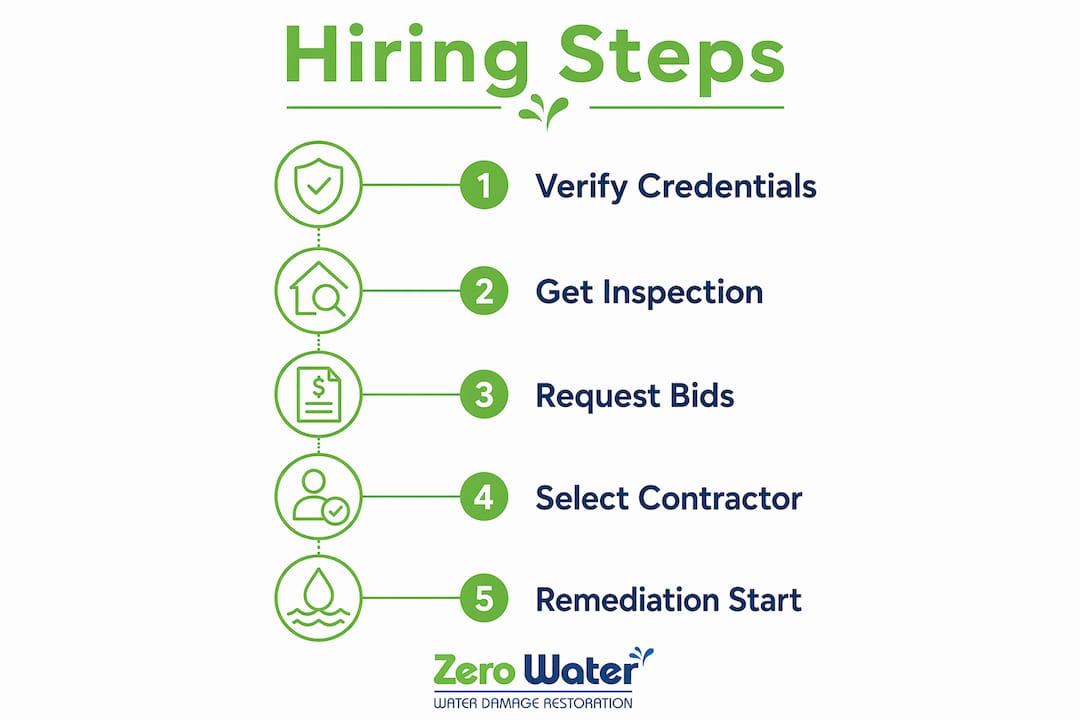
Hire a separate certified mold inspector before requesting any remediation bids. That inspector’s written report defines the scope, which you then hand to competing contractors. This prevents inflated bids and puts every contractor on equal footing.
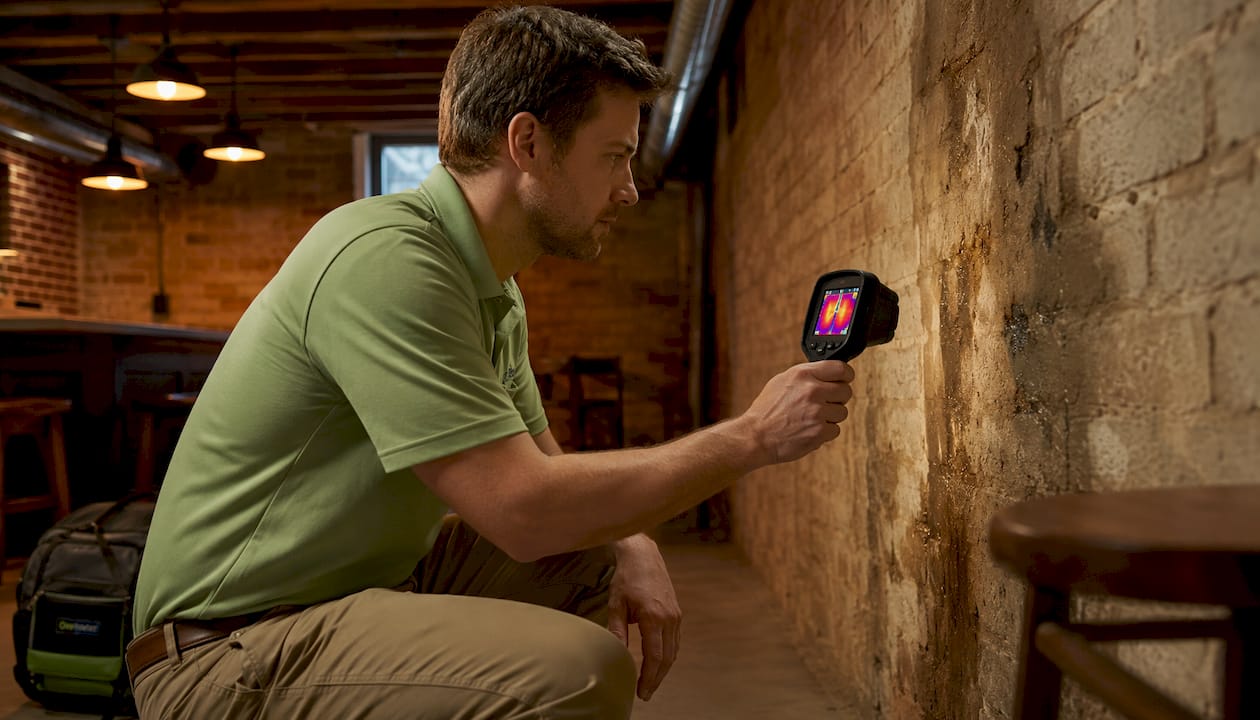
Pro Tip: An independent pre-remediation inspection in the Chicago metro area typically costs a fee, protecting you from remediation scopes padded by thousands of dollars.
Questions to ask every contractor
- Can you show me your IICRC AMRT certification and IICRC Certified Firm status?
- How will you contain the affected area to protect the rest of the home?
- Who conducts post-remediation clearance testing, and is it truly independent?
- How will you identify and address the moisture source?
- What does your written scope of work include?
A contractor who hesitates on any of these questions, or who insists on doing their own clearance testing, is telling you something. Reliable contractors welcome tough questions about certifications and protocols.
Red flags to watch for
- Quotes given over the phone without an on-site visit
- Remediation methods that rely only on fogging or spraying without physical material removal
- No verifiable certifications or proof of insurance
- Pressure to sign immediately
What Chicago projects typically cost
Most residential mold remediation jobs in Chicago run from modest costs for minor basement surface work up to high costs for whole-home or structural framing situations. Independent clearance testing adds an additional cost and should be treated as a standard line item, not an optional upgrade. For a detailed walkthrough of the full process, the step-by-step remediation guide for Chicago homeowners covers each phase clearly.
Why visual inspection beats air sampling every time
No federal safe mold levels exist, which means air sampling results have limited practical value on their own. A spore count tells you mold is present. It does not tell you where the moisture is coming from, how far the growth has spread behind walls, or what materials need to come out.
Professional inspectors rely on building moisture forensics: thermal imaging cameras to detect hidden moisture pockets, moisture meters to measure saturation in drywall and framing, and direct visual inspection of crawl spaces, attics, and wall cavities. Understanding the difference between mold inspection and mold testing helps you ask better questions and avoid paying for tests that do not change the remediation plan.
The goal of any inspection is to find the moisture pathway, not just count spores. A contractor who leads with air sampling and skips the building investigation is working backward.
Zerowaterrestoration serves the Chicagoland area with certified mold remediation
Zerowaterrestoration is a locally owned company based in Schaumburg with over 10 years serving the northwest suburbs, including Arlington Heights, Palatine, Barrington, Lake Zurich, and Streamwood. Technicians hold IICRC AMRT certification and work to ANSI/IICRC S520 standards, covering moisture source identification, proper containment, physical removal, and independent clearance verification.
What sets Zerowaterrestoration apart from many Chicago mold remediation options is the insurance side. The team works directly with adjusters, manages documentation, and keeps out-of-pocket costs as low as possible. Emergency response is available 24/7. For a free inspection and estimate, visit the mold remediation services page or call (847) 515-7000.
Key Takeaways
The most reliable mold remediation alternatives in Chicago hold active IICRC AMRT credentials, fix the moisture source, and use independent clearance testing to confirm the job is done.
| Point | Details |
|---|---|
| IICRC AMRT certification | Verify technician and firm credentials through the IICRC Global Locator before signing any contract. |
| Independent pre-bid inspection | Hire a separate inspector first; their written scope protects you from inflated remediation bids. |
| Moisture source resolution | Surface removal without fixing the leak or humidity source leads to mold recurrence. |
| Clearance testing | Independent post-remediation testing is required for insurance and resale documentation, and typically adds an extra fee to remediation projects. |
| Zerowaterrestoration | IICRC AMRT-certified, 24/7 emergency response, and direct insurance claim management across the northwest suburbs. |