Water damage class rating is the industry standard measure of how deeply water has absorbed into building materials and how complex the drying process will be. Defined by the IICRC S500 standard, this four-level scale tells restoration professionals exactly what equipment, time, and methods your property needs. If you’ve ever wondered what is water damage class rating and why it matters for your repair bill, this guide breaks it down clearly so you can make smarter decisions from the moment damage occurs.
What is water damage class rating? the four levels explained
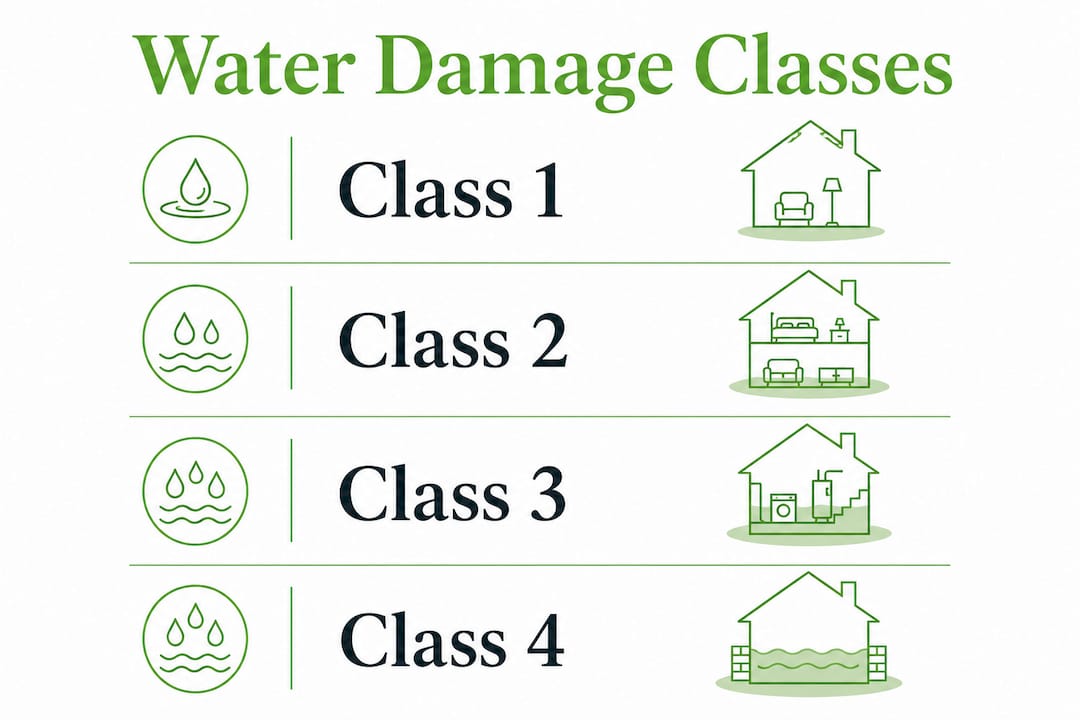
The IICRC S500 guide defines four water damage classes based on saturation depth and evaporation rate. Each class describes a different level of moisture absorption in building materials, which directly determines the drying equipment needed and how long restoration will take.
Class 1: minimal absorption
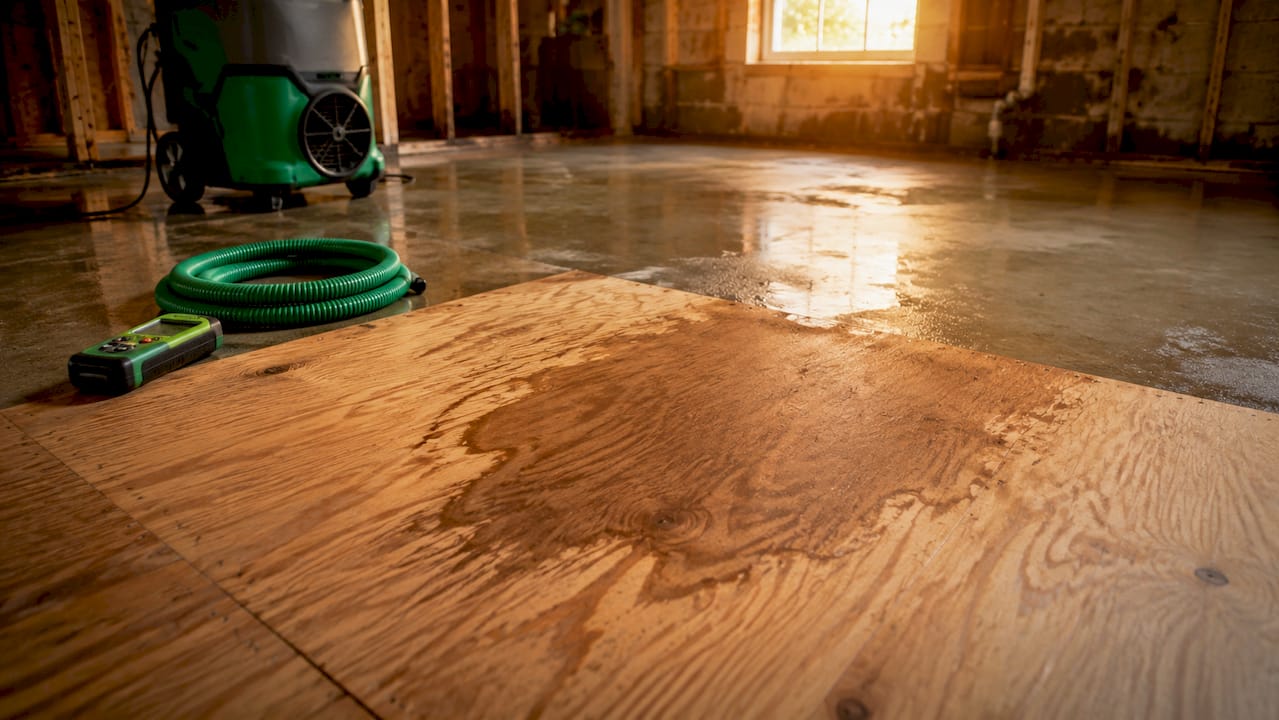
Class 1 is the least severe level. Water has affected only a small portion of a room, and materials like concrete, plywood, or vinyl flooring have absorbed very little moisture. Evaporation rates are low because the affected surface area is small. A burst supply line under a sink that you catch within an hour typically falls into this category. Restoration often requires only a few air movers and a dehumidifier running for one to two days.
Class 2: significant room saturation
Class 2 involves an entire room, with water wicking up walls to 24 inches and wet carpet and cushion throughout. The moisture has moved beyond the surface and into the structural materials of the room. This is the level most homeowners face after a washing machine overflow or a slow pipe leak discovered too late. Drying typically requires multiple air movers, commercial dehumidifiers, and three to five days of active drying.
Class 3: overhead saturation
Class 3 water damage involves saturation from overhead sources, meaning ceilings, walls, insulation, carpet, and subfloor are all affected. This is typically the most common severe water loss classification professionals encounter. A roof leak during a heavy storm or a broken pipe in the ceiling creates this pattern. Drying takes five or more days and requires aggressive equipment placement throughout the entire space.
Class 4: specialty drying required
Class 4 applies when water has deeply penetrated low-porosity materials like hardwood floors, stone, or concrete. Standard drying is insufficient for these materials. Professionals must use specialty equipment such as desiccant dehumidifiers, floor drying mats, and wall cavity drying systems. This class often appears after long-term flooding or when a Class 3 event goes unaddressed for days.
| Class | Affected Area | Materials Involved | Typical Drying Time |
|---|---|---|---|
| Class 1 | Small portion of one room | Concrete, vinyl, plywood | 1–2 days |
| Class 2 | Entire room, walls to 24 inches | Carpet, drywall, framing | 3–5 days |
| Class 3 | Ceilings, walls, subfloor | Insulation, carpet, structural wood | 5+ days |
| Class 4 | Deep material penetration | Hardwood, stone, concrete | 7+ days with specialty equipment |
Pro Tip: If your carpet feels dry on top but the pad underneath is still wet, you are likely looking at a Class 2 situation. The pad holds moisture long after the surface dries, and leaving it in place almost always leads to mold.
How do water damage classes differ from water damage categories?
Many homeowners use “class” and “category” interchangeably. They are not the same thing, and confusing them leads to serious mistakes in restoration planning.
Water damage category measures contamination level, while class measures drying complexity and saturation extent. A job can be Category 1 but Class 4. That distinction matters enormously for how professionals approach the work.
The three categories are:
- Category 1 (Clean Water): Water from a sanitary source like a broken supply line or overflowing sink. No immediate health risk.
- Category 2 (Gray Water): Water containing contaminants that may cause illness. Sources include washing machine discharge or toilet overflow with urine only.
- Category 3 (Black Water): Grossly contaminated water from sewage, flooding, or storm runoff. Category 3 requires full containment and removal of all porous materials.
Here is how the two systems work together in practice. A fire suppression system that discharges clean water into a concrete building might be Category 1 but Class 4 because the concrete has absorbed deeply. A toilet overflow that soaks a small bathroom corner is Category 2 but Class 1 because the saturation is minimal. The category tells you about health risk and what protective equipment is needed. The class tells you about drying effort and equipment quantity.
| Factor | Category | Class |
|---|---|---|
| What it measures | Contamination level | Saturation depth and drying complexity |
| Drives decisions about | Safety protocols, PPE, material removal | Equipment type, drying duration, cost |
| Scale | 1 (clean) to 3 (grossly contaminated) | 1 (minimal) to 4 (specialty drying) |
| Can change over time | Yes, category escalates if untreated | Yes, class can worsen as water migrates |
Pro Tip: When you call a restoration company, ask them to tell you both the class and the category of your damage. If they only give you one number, they are not giving you the full picture.
Why does timely assessment matter for damage class?
Water damage classification is not static. Clean water left untreated can degrade into gray or black water within 48–72 hours, a process restoration professionals call the “category elevator” effect. At the same time, water continues migrating into deeper materials, which can push a Class 1 situation into Class 2 or Class 3 territory within hours.
Mold and bacteria begin to grow within 24–48 hours after water intrusion. That window is not a guideline. It is a hard deadline. Once mold establishes itself, you are no longer dealing with a water damage job alone. You are dealing with a mold remediation situation on top of it, which adds cost and complexity.
DIY drying attempts frequently fail for Class 2 and above because of one critical problem: hidden moisture. Homeowners relying on visual inspection alone miss moisture that has migrated into wall cavities, subfloor layers, and insulation. That moisture stays trapped and feeds mold growth for weeks after the surface appears dry.
Professionals use two tools that change the picture entirely:
- Moisture meters: Probe-based or pin-less devices that measure moisture content in wood, drywall, and concrete at specific points throughout the structure.
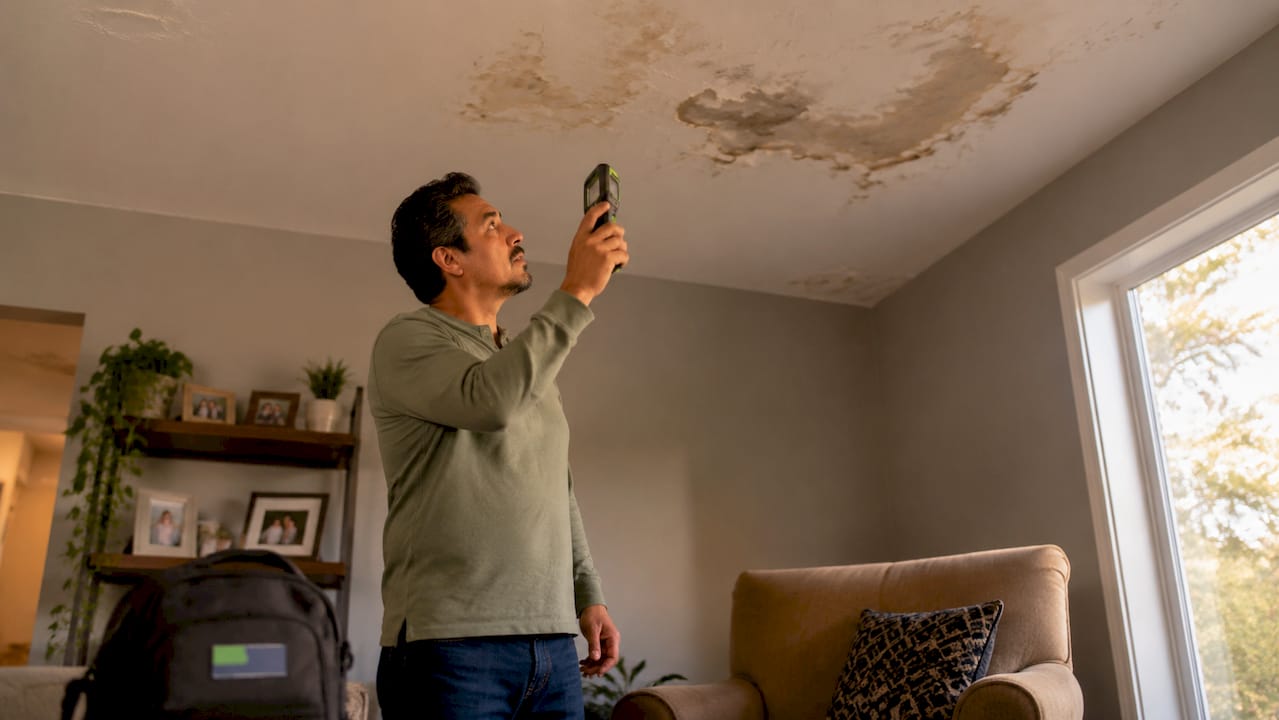
- Infrared thermography: Thermal imaging cameras that detect temperature differences caused by evaporating moisture, revealing wet areas invisible to the naked eye.
Professional moisture mapping combining meters and infrared technology detects unseen moisture, which is crucial for accurate damage classification and avoiding future mold problems. SafetyCulture
Pro Tip: If you see water damage, assume it extends further than what you can see. Water always travels the path of least resistance, often moving horizontally through wall cavities or vertically through subfloor layers before showing up on a surface.
Learn more about how pros assess damage to understand why professional tools make such a difference in accurate classification.
How does damage class rating affect restoration costs?
Restoration costs increase significantly from Class 1 to Class 4 due to intensive equipment needs, longer drying times, and the likelihood of structural repairs. Understanding this scale helps you set realistic expectations before the estimate arrives.
Here is how equipment and methods scale with class severity:
- Class 1: A few air movers and one dehumidifier. Minimal labor. Often resolved in one to two visits.
- Class 2: Multiple air movers, commercial dehumidifiers, possible carpet and pad removal. Daily monitoring required.
- Class 3: Extensive equipment placement including wall cavity drying systems, ceiling drying equipment, and subfloor drying mats. Structural material removal is common.
- Class 4: Specialty drying methods including desiccant dehumidifiers, which work in conditions where standard refrigerant dehumidifiers lose effectiveness. Drying times extend to seven or more days.
| Class | Typical Equipment | Structural Repairs Likely? | Relative Cost |
|---|---|---|---|
| Class 1 | Air movers, one dehumidifier | Rarely | Lowest |
| Class 2 | Multiple air movers, dehumidifiers | Sometimes | Moderate |
| Class 3 | Full drying system, wall and floor equipment | Often | High |
| Class 4 | Specialty desiccant systems, extended monitoring | Almost always | Highest |
Insurance coordination also depends on class rating. Higher class jobs generate more documentation: daily moisture readings, equipment logs, and photo records of hidden damage. A restoration company experienced with insurance claims for water damage knows how to present this documentation to adjusters in a way that supports full coverage. Without that documentation, insurers may dispute the scope of work, leaving you to cover the gap out of pocket.
For property managers overseeing multiple units, understanding the commercial water damage restoration process by class rating is especially valuable. A Class 3 event in one unit can migrate into adjacent units through shared walls and subfloors, turning a single-unit problem into a building-wide restoration project.
Key takeaways
Water damage class rating defines the drying complexity of a loss, and misreading it leads to incomplete restoration, mold growth, and higher long-term costs.
| Point | Details |
|---|---|
| Class rating measures drying complexity | Classes 1–4 describe saturation depth and determine equipment, time, and cost. |
| Class and category are different | Category measures contamination risk; class measures drying effort. Both must be assessed. |
| Delays escalate both class and category | Water migrates and contaminates within 24–72 hours, turning manageable damage into major restoration. |
| Visual inspection is not enough | Professionals use moisture meters and thermal imaging to find hidden moisture that causes mold. |
| Cost scales with class severity | Class 1 needs minimal equipment; Class 4 requires specialty drying and often structural repairs. |
What i’ve learned after seeing hundreds of water damage jobs
Most homeowners I talk to after a water event focus on what they can see. They point to the wet carpet, the stained drywall, the puddle on the floor. That is the wrong starting point. The visible damage is almost never the full story.
The most expensive mistakes I see come from two patterns. The first is delayed response. Someone notices a damp smell, assumes it will dry on its own, and calls three weeks later when the mold is already visible. What started as a Class 1 or Class 2 job is now a Class 3 with a mold remediation component attached. The second pattern is DIY drying with box fans and a rented dehumidifier. That approach works for a very small Class 1 situation. For anything involving carpet pad, wall cavities, or subfloor, it traps moisture and creates the exact conditions mold needs.
Property managers often underestimate how fast water migrates in multi-unit buildings. I have seen a single pipe failure in one unit create Class 3 conditions in the unit below within six hours. The class rating of the original loss tells you almost nothing about the total scope until you do a full moisture map of the surrounding structure.
The single most useful thing you can do as a homeowner or property manager is learn to recognize the signs of each class before you call for help. If water is only in one small area and materials feel barely damp, you are likely in Class 1 territory. If an entire room is involved and walls feel wet above floor level, assume Class 2 at minimum. If water came from above, assume Class 3 until a professional tells you otherwise. That mental model gets you to the right conversation faster and helps you push back if a restoration scope seems too narrow.
— Jim
Get class-accurate restoration from Zerowaterrestoration
Knowing your damage class is the first step. Getting it resolved correctly is the next one. Zerowaterrestoration responds 24/7 to water damage events throughout Schaumburg, Arlington Heights, Palatine, Barrington, Lake Zurich, and the greater Chicagoland area. The team performs full moisture mapping on every job, identifies the correct class and category, and deploys the right equipment from day one. Whether you are dealing with a Class 1 supply line leak or a Class 4 hardwood floor situation, the approach is the same: assess accurately, dry completely, and document everything for your insurer. For water damage restoration in Barrington or anywhere in the northwest suburbs, call (847) 515-7000 or visit zerowaterrestoration.com for a free inspection.
FAQ
What is a water damage class rating?
A water damage class rating is a 1–4 scale defined by the IICRC S500 standard that measures how deeply water has absorbed into building materials and how much drying effort is required. Class 1 is minimal absorption; Class 4 requires specialty drying equipment for dense materials like hardwood or concrete.
What is the difference between water damage class and category?
Class measures drying complexity and saturation depth, while category measures the contamination level of the water source. A job can be Category 1 (clean water) but Class 4 (deep material saturation), and both ratings must be assessed to plan restoration correctly.
How quickly can water damage get worse?
Clean water degrades into gray or black water within 48–72 hours if left untreated, and mold begins growing within 24–48 hours of water intrusion. Acting within the first few hours prevents class escalation and keeps restoration costs lower.
Can i determine the damage class myself?
You can make a rough estimate based on the affected area and material types, but accurate class determination requires moisture meters and thermal imaging cameras. Hidden moisture migrates beyond visible damage and is undetectable without professional tools.
Does water damage class affect my insurance claim?
Yes. Higher class ratings require more documentation, longer drying periods, and more equipment, all of which must be recorded and submitted to your insurer. A restoration company experienced with insurance claims will log daily moisture readings and equipment records to support full coverage of the restoration scope.