Water damage prevention best practices are the set of maintenance routines, structural measures, and detection systems that stop water from destroying your property before it gets the chance. The IICRC S500 standard, the industry benchmark for water damage response, makes clear that prevention is always cheaper than restoration. Homeowners who follow a structured prevention plan protect their property value, reduce insurance costs, and avoid the stress of emergency calls at 2 AM. This guide covers the most effective strategies, from basic plumbing checks to advanced leak detection, so you can protect your home with confidence.
1. What are the essential regular maintenance routines to prevent water damage?
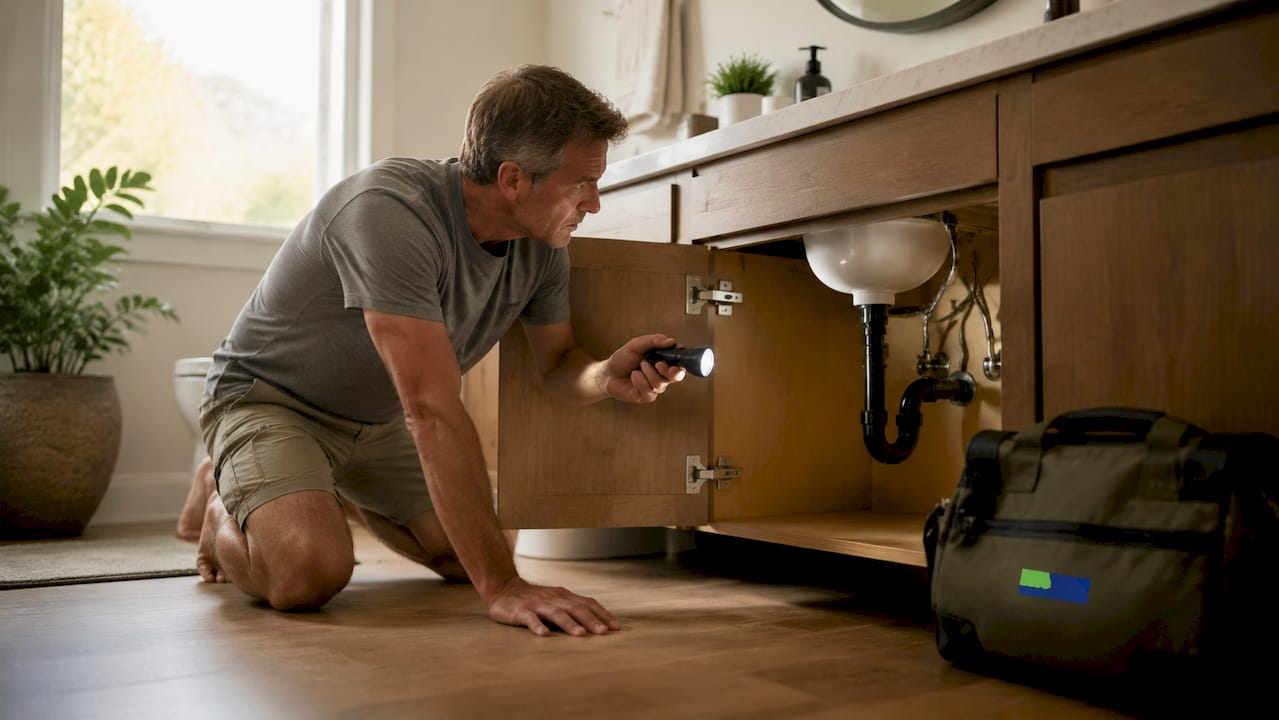
Routine maintenance is the foundation of any effective leak prevention plan. Most water damage events trace back to deferred maintenance, not freak accidents. A cracked supply line, a clogged gutter, or a slow drip under the sink can cause thousands of dollars in damage if left unchecked for months.
Start with your plumbing connections. Inspect supply lines to washing machines, dishwashers, and refrigerators at least once a year. Braided stainless steel lines last longer than rubber hoses and resist cracking under pressure. Replace any line that shows bulging, discoloration, or is more than five years old.
Water pressure is a silent culprit. Residential water pressure should stay between 45 and 65 PSI. Pressure above that range stresses pipe joints and appliance connections over time. A basic pressure gauge from any hardware store costs under $15 and takes two minutes to check at an outdoor spigot.
- Inspect attic and crawl space for moisture stains or condensation twice a year
- Check caulking around tubs, showers, and sinks and replace any that is cracking or pulling away
- Test your sump pump every spring by pouring water into the pit to confirm it activates
- Look for rust or mineral buildup around water heater connections, which signals a slow leak
- Walk your roof after major storms and look for missing shingles or damaged flashing
Pro Tip: Set a calendar reminder for the first weekend of april and october to do a full home walkthrough. Catching one small issue twice a year is far less expensive than one emergency call.
2. How do advanced water leak detection and shutoff systems improve prevention?
Smart leak detection is the single biggest upgrade most homeowners overlook. Leak detection solutions range from $20 DIY sensors to $1,600 professional-grade whole-home systems. That price gap reflects a real difference in capability, not just brand markup.
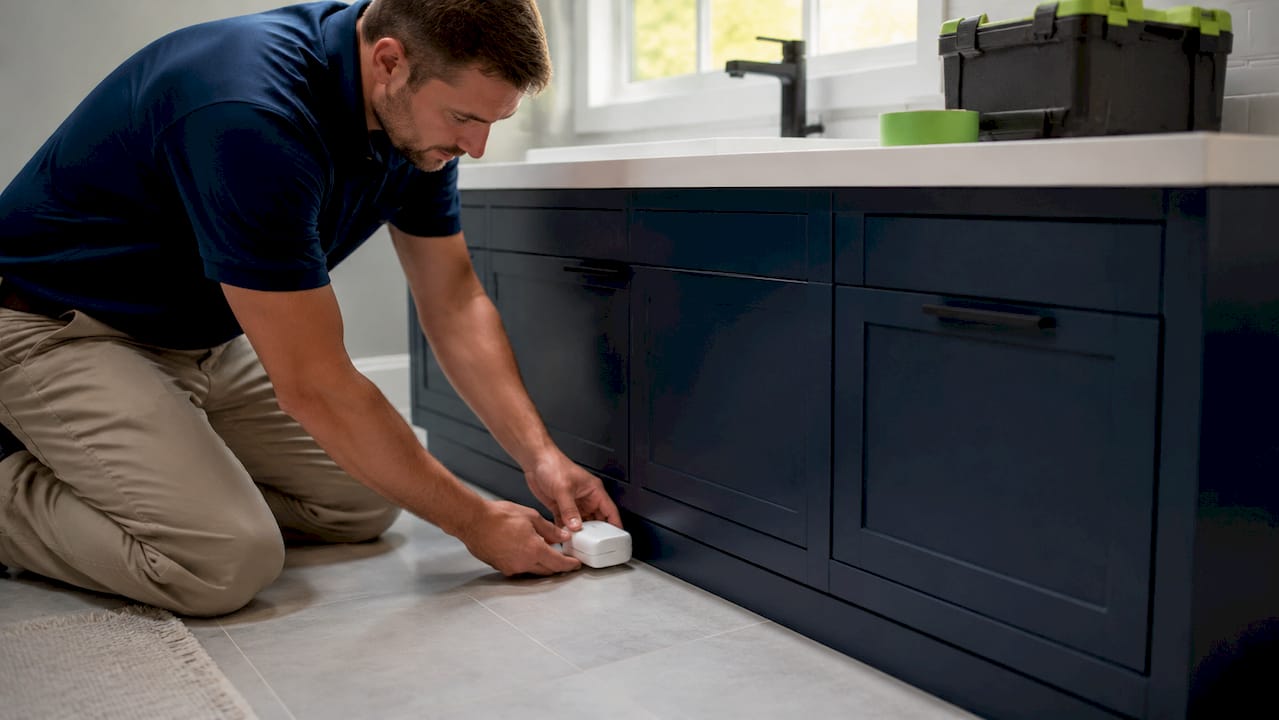
Entry-level sensors sit on the floor near water heaters, washing machines, or under sinks. They sound an alarm when they get wet. That is useful, but only if someone is home to hear it. Mid-range systems add Wi-Fi connectivity and send alerts to your phone. Premium systems go further: they monitor water flow continuously and shut off your main supply automatically when they detect an anomaly.
High-end flow-sensing shutoff systems can detect leaks as small as 0.5 oz per minute. That level of sensitivity catches a pinhole leak in a wall cavity before it soaks your framing. For larger properties, this technology has prevented losses exceeding $2 million.
| System type | Cost range | Key feature | Best for |
|---|---|---|---|
| Basic spot sensor | $20–$100 | Audible alarm when wet | Apartments, small homes |
| Wi-Fi connected sensor | $100–$300 | Phone alerts, no shutoff | Most single-family homes |
| Whole-home smart shutoff | $400–$1,600+ | Auto shutoff, flow monitoring | Larger homes, vacation properties |
Insurance providers including State Farm and Chubb offer premium discounts for homes with approved smart water shutoff systems installed. That discount can offset the cost of the system within a few years. Smart leak detection is not just a prevention tool. It is a financial decision.
Pro Tip: Install at least one Wi-Fi sensor near your water heater and washing machine even if you skip the full whole-home system. Those two locations account for a disproportionate share of residential water claims.
3. Why is proper exterior drainage and grading critical for water damage prevention?
Water that pools against your foundation will eventually find a way in. Foundation leaks are a matter of when, not if, which means directing water away from your structure is the most reliable long-term defense. Exterior drainage is not glamorous, but it is one of the highest-return investments a property owner can make.
Downspouts are the first line of defense. They must extend at least 6 feet from the foundation to move water far enough away that it cannot seep back toward the structure. Many homes have downspouts that terminate just 12 inches from the wall. That is essentially watering your foundation every time it rains.
Yard grading matters just as much. The ground around your home should slope away from the foundation at a rate of about 1 inch per foot for the first 6 feet. Flat or inward-sloping yards funnel rainwater directly toward your basement walls. Correcting the grade with topsoil is a weekend project that can prevent years of seepage.
- Extend downspouts with flexible plastic extensions or underground drainage pipes
- Clean gutters at least twice a year, in late spring and late fall, to prevent overflow
- Check that window wells have gravel at the bottom and are not filling with debris
- Inspect the foundation perimeter after heavy rain and note where water pools
- Consider a French drain system if grading correction alone does not solve persistent pooling
Older homes in the Chicagoland area often have clay soil that drains poorly. That combination of aging infrastructure and slow-draining soil makes exterior drainage maintenance especially critical for northwest suburbs homeowners.
4. What steps should be taken immediately after a water incident to prevent secondary damage?
The first 24 to 48 hours after a water incident are the most critical window for stopping secondary damage. IICRC S500 standards specify that water extraction and structural drying must begin within this window to prevent mold growth and structural deterioration. Delays beyond 72 hours significantly increase secondary damage risk and can complicate insurance claims.
Secondary damage, meaning mold, rot, and structural failure that develops after the initial water event, is often more expensive than the original incident. The key is aggressive, professional drying, not surface cleanup.
“Dry to the touch” is not dry. Professional tools are required to verify that all moisture has been eliminated from wall cavities, subfloors, and structural members.
Moisture meters and thermal imaging are the standard tools professionals use to find hidden saturation. A wall can feel dry on the surface while holding significant moisture inside the framing. Thermal imaging cameras detect temperature differences caused by evaporating moisture, revealing wet areas invisible to the naked eye.
Here is the correct sequence for post-incident response:
- Stop the water source immediately. Shut off the main supply if needed.
- Call a professional restoration team. Do not attempt extraction with a household vacuum. Using household vacuums for water removal poses shock hazards and fails to remove moisture effectively.
- Begin professional water extraction using truck-mounted or portable extraction units.
- Set industrial dehumidifiers and air movers to dry structural cavities, not just surfaces.
- Remove unsalvageable materials, including wet drywall and saturated insulation, to prevent trapped moisture.
- Sanitize all affected surfaces to prevent microbial growth.
- Monitor indoor relative humidity levels continuously. Indoor humidity above 60% for more than 24 hours after extraction signals that drying is incomplete and mold risk is elevated.
Patching water-damaged drywall before the structure is fully dry is one of the most costly mistakes homeowners make. It traps moisture inside the wall cavity and creates ideal conditions for rapid mold growth. Always verify dryness with a moisture meter before any repairs begin.
Zerowaterrestoration responds 24/7 to water incidents throughout the northwest suburbs of Chicago. Their team uses professional moisture detection equipment and follows IICRC S500 protocols to confirm complete drying before any reconstruction begins. You can learn more about how pros assess damage to understand what a thorough evaluation looks like.
Key Takeaways
Effective water damage mitigation combines routine maintenance, smart detection technology, proper exterior drainage, and fast professional response within the critical 24 to 48 hour window after any water incident.
| Point | Details |
|---|---|
| Maintain plumbing proactively | Replace aging supply lines and keep water pressure between 45 and 65 PSI to prevent failures. |
| Install smart leak detection | Systems ranging from $20 sensors to $1,600 shutoff units reduce risk and can lower insurance premiums. |
| Manage exterior drainage | Extend downspouts at least 6 feet from the foundation and correct yard grading to prevent seepage. |
| Act within 48 hours | IICRC S500 standards require extraction and drying within 24 to 48 hours to prevent mold and structural damage. |
| Verify dryness professionally | Moisture meters and thermal imaging confirm complete drying; surface feel is not a reliable indicator. |
What I have learned after a decade of watching homeowners get this wrong
The homeowners I see most often are not the ones who ignored a massive problem. They are the ones who thought they had handled it. They wiped up the water, ran a box fan for two days, and moved on. Three months later, they have mold behind the drywall and a repair bill that dwarfs what professional drying would have cost.
The technology piece is underused. Most homeowners I talk to have never heard of flow-sensing shutoff systems. They know smoke detectors exist because building codes require them. Nobody requires a leak sensor, so most people never install one. That gap is where the expensive surprises happen, especially in homes with finished basements or second-floor laundry rooms where a slow leak can go undetected for weeks.
The exterior drainage issue is the one that surprises people the most. They spend money on waterproofing paint for the basement walls and ignore the fact that their downspouts dump water 12 inches from the foundation. The paint does nothing if you are directing water straight at the structure. Fix the grade and extend the downspouts first. Everything else is secondary.
My honest recommendation is to treat prevention as a two-layer system. Layer one is the physical maintenance: gutters, supply lines, pressure, grading. Layer two is the technology: at minimum, a Wi-Fi connected sensor near your water heater and washing machine. Those two layers together cover the vast majority of residential water damage scenarios. Add a professional inspection every few years to catch what you cannot see yourself, and you are in a genuinely strong position.
— Jim
Zerowaterrestoration is ready when prevention is not enough
Water damage does not always announce itself in advance. When it happens, the speed of your response determines how much of your home you save.
Zerowaterrestoration has served homeowners across the northwest suburbs of Chicago for over 10 years, handling everything from burst pipes to storm flooding with 24/7 emergency response. Their team follows IICRC S500 protocols for water damage restoration and works directly with your insurance provider to manage documentation and reduce out-of-pocket costs. If moisture has already reached your walls or floors, their mold remediation services address the full scope of the problem before it spreads. Call (847) 515-7000 or visit zerowaterrestoration.com for a free inspection and estimate.
FAQ
What are the most important water damage prevention best practices?
The most effective practices are regular plumbing inspections, maintaining water pressure between 45 and 65 PSI, installing leak detection sensors, extending downspouts at least 6 feet from the foundation, and acting within 48 hours after any water incident.
How quickly does mold grow after water damage?
Mold can begin growing within 24 to 48 hours in wet conditions. IICRC S500 standards require professional extraction and drying to begin within this window to prevent mold and structural damage.
Do smart leak detectors actually lower homeowner’s insurance costs?
Yes. Insurance providers including State Farm and Chubb offer premium discounts for homes with approved smart water shutoff and leak detection systems installed.
What is secondary water damage and how do you prevent it?
Secondary water damage is mold growth, rot, and structural failure that develops after the initial water event. Preventing it requires professional extraction, industrial drying equipment, and keeping indoor humidity below 60% until the structure is fully dry.
Can I use a shop vacuum to remove standing water after a flood?
Household and shop vacuums are unsafe and ineffective for water removal after a flood. Professional extraction equipment removes far more moisture and eliminates the shock hazard that comes with using electrical appliances near standing water.