
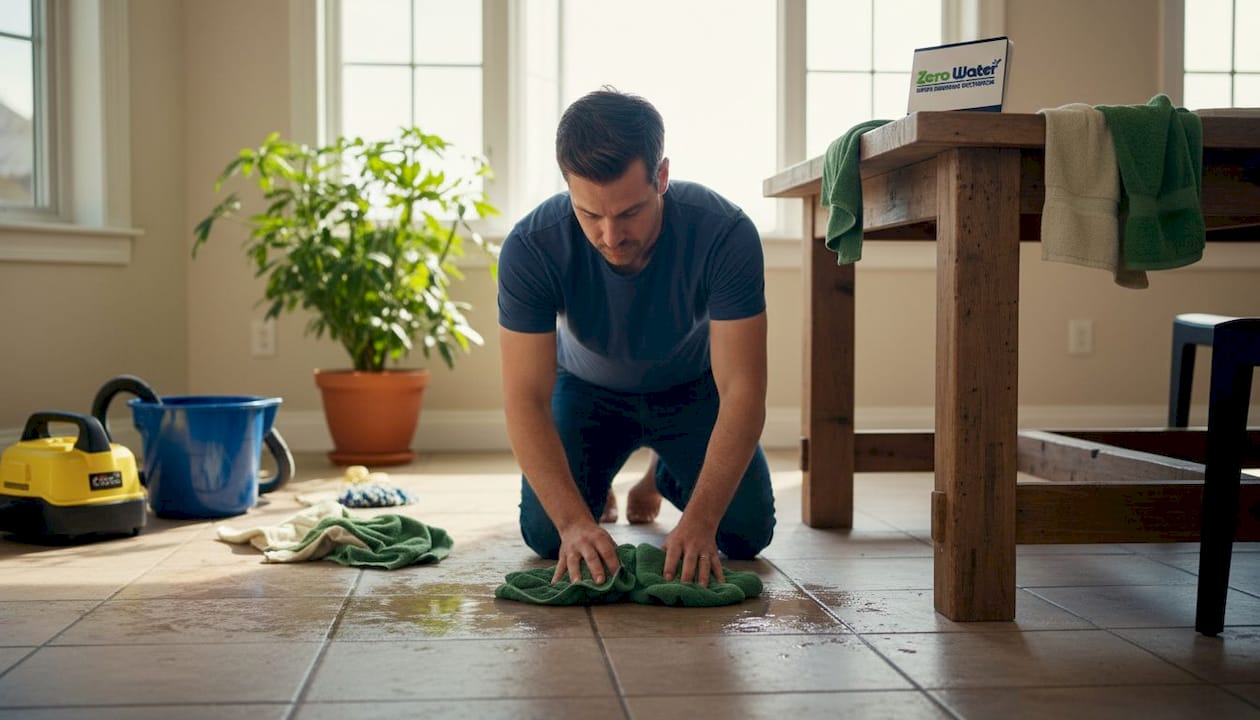
Even a small flood can turn your home upside down financially. One inch of water in a typical home can cause up to $25,000 in damage to personal belongings alone. For homeowners in the northwest suburbs of Chicago, where harsh winters bring frozen pipes and spring storms push water through aging foundations, this is not a distant possibility. It is a real, recurring threat. This guide covers exactly what water damage means for your belongings, how it happens, what your insurance will and won’t do, and what the restoration process looks like from start to finish.
Table of Contents
- What is water damage to personal property?
- Common causes and scenarios of water damage
- Insurance coverage for personal property water damage
- Health risks and restoration process after water damage
- The uncomfortable truth about water damage most homeowners miss
- Next steps: trusted help for water damage restoration
- Frequently asked questions
Key Takeaways
| Point | Details |
|---|---|
| Water damage is costly | Even minor water incidents can lead to thousands in property loss. |
| Insurance coverage varies | Policies usually cover accidental leaks, not gradual or flood damage. |
| Health risks are real | Mold and poor air quality are major dangers after water damage. |
| Documentation is vital | Careful evidence helps maximize your insurance claim outcome. |
| Professional help speeds recovery | Restoration experts can prevent further loss and ensure safe cleanup. |
What is water damage to personal property?
Water damage to personal property is not just a wet floor. It is the full range of destruction that happens when water enters a living space uninvited and makes contact with the things you own.
Water damage to personal property is defined as unintended water intrusion that damages household contents such as furniture, flooring, and stored items, and can also create serious health risks through mold growth and compromised indoor air quality.
What makes this especially serious is how quickly the damage spreads. Water does not stay where it lands. It seeps into fabric, soaks into wood, wicks through drywall, and settles underneath flooring. Items that look fine on the surface can be ruined underneath.
Items most vulnerable to water damage include:
- Upholstered furniture like sofas, chairs, and mattresses
- Wood and laminate flooring that warps, buckles, or stains
- Electronics, which can be destroyed by even minor moisture exposure
- Important documents, photos, and irreplaceable personal items
- Clothing, rugs, and bedding stored at floor level
- Cabinetry and built-in shelving in kitchens and bathrooms
- Appliances with electrical components near the base
“Water damage goes beyond what you can see. The moisture hidden inside walls, beneath floors, and within upholstered furniture is often what causes the most lasting damage.”
The immediate impacts are obvious: warped floors, ruined furniture, soaked belongings. But the less visible effects are often worse. Structural materials absorb water and weaken over time. Mold can begin forming within 24 to 48 hours. Odors set in fast and are hard to eliminate without professional treatment.
For northwest Chicago homeowners, understanding restoration tips for homeowners before an event happens is one of the smartest things you can do. Preparation shortens your reaction time when every hour counts.
Common causes and scenarios of water damage
Now that we know what water damage is, let’s break down how and why it occurs. Not all water damage is the same. Some events are sudden and dramatic. Others develop slowly over months without anyone noticing until serious harm is already done.
Sudden water events happen fast. They include burst pipes (especially during Chicago’s brutal winters), overflowing toilets or bathtubs, appliance failures like a washing machine hose that gives out, and flooding from heavy rain. These events are often covered by insurance because the cause is clear and accidental.
Gradual water events are sneaky. A slow drip under the kitchen sink. A toilet supply line that weeps just enough to keep the cabinet damp. A dishwasher seal that has been failing for a year. These events are often not covered by insurance because they are considered a maintenance problem.
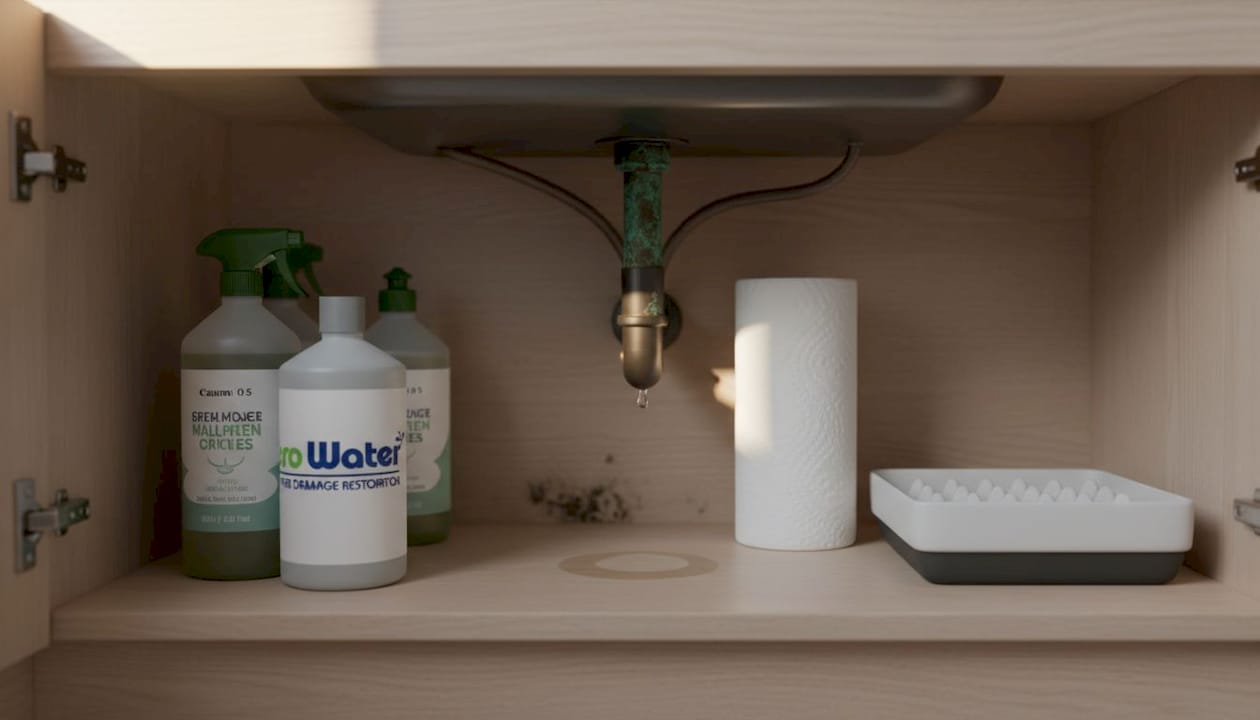
Here is a quick breakdown of common causes and how they typically play out:
| Cause | Type | Typical insurance response |
|---|---|---|
| Burst pipe (winter freeze) | Sudden | Usually covered |
| Roof leak after storm | Sudden | Usually covered |
| Appliance overflow | Sudden | Usually covered |
| Slow plumbing leak | Gradual | Often excluded |
| Sewer backup | Sudden | Excluded unless rider added |
| Foundation seepage | Gradual | Usually excluded |
| External flooding (storm) | Sudden/external | Excluded without flood insurance |
- Burst pipes are the most common cause in the northwest suburbs during winter. When water in a pipe freezes and expands, the pipe can crack or split entirely.
- Roof leaks after heavy rain or ice dam buildup allow water to enter the attic and work its way down through ceilings.
- Appliance failures like a dishwasher, refrigerator ice maker line, or washing machine hose give out with very little warning.
- Sewer backups push contaminated water up through floor drains and are a serious hazard that requires specialized cleanup.
- Foundation water intrusion happens when the soil around a home becomes saturated and hydrostatic pressure pushes water through cracks in the foundation walls.
Pro Tip: Walk through your home each season and check under sinks, around appliances, and in the basement for any signs of moisture, staining, or soft spots in drywall. Catching a slow leak early can save thousands of dollars.
Understanding the restoration process overview helps you know what to expect once water damage occurs. And knowing the mold types after flooding specific to Chicagoland homes gives you a clearer picture of what develops if water sits untreated.
Even one inch of water can cause extensive damage to flooring, walls, and personal property throughout an entire room. That benchmark is a sobering reminder that no water event is truly minor.
Insurance coverage for personal property water damage
Knowing the causes helps you understand what insurance will and won’t cover. The key factor in most claims is not how much damage occurred. It is how the damage occurred.
Homeowners insurance coverage for personal property water damage usually depends on whether the water damage was sudden and accidental versus gradual or maintenance-related. This distinction alone is the reason many claims get approved or denied.
Here is how the most common scenarios break down:
| Scenario | Coverage likely? | Notes |
|---|---|---|
| Burst pipe in winter | Yes | Common in Illinois; sudden and accidental |
| Appliance overflow | Yes | Must be sudden, not ongoing |
| Roof storm damage | Yes | Roof must not have been neglected |
| Slow leak under sink | No | Considered maintenance failure |
| Flood from heavy rain | No | Requires separate flood insurance |
| Sewer backup | No (unless rider) | Optional coverage add-on |
| Mold from slow leak | No | Gradual; excluded in most policies |
Tips for maximizing your personal property water damage claim:
- Report the damage to your insurer as soon as it happens, not days later
- Photograph everything before any cleanup begins, including water levels, affected items, and visible damage
- Keep a detailed written list of every item that was damaged, including the estimated age and replacement cost
- Save receipts for any emergency costs like hotel stays, temporary repairs, or drying equipment
- Request a copy of your policy and read the personal property section before your adjuster arrives
- Ask specifically about your personal property coverage limits and whether you have replacement cost value or actual cash value coverage
The difference between replacement cost value (what it costs to buy the same item new today) and actual cash value (what your depreciated item is worth now) can be enormous. A five-year-old sofa worth $1,800 new might only pay out $600 under actual cash value. Know which policy you have before you need it.
Pro Tip: Document your belongings before any damage occurs. A simple video walkthrough of each room stored in the cloud takes 15 minutes and can make an insurance claim far smoother.
Working with someone who understands the insurance claims guidance process is genuinely valuable. Restoration professionals deal with adjusters regularly and know how to make sure damage is properly documented and fairly assessed.
Health risks and restoration process after water damage
After coverage is sorted, health and safe recovery become the most urgent priority. Water damage does not just ruin belongings. It creates an environment that can directly affect the health of everyone in the home.
Water damage creates serious health risks through mold growth and compromised indoor air quality. Coverage disputes aside, these health consequences can develop quickly and quietly if the restoration process is delayed or incomplete.
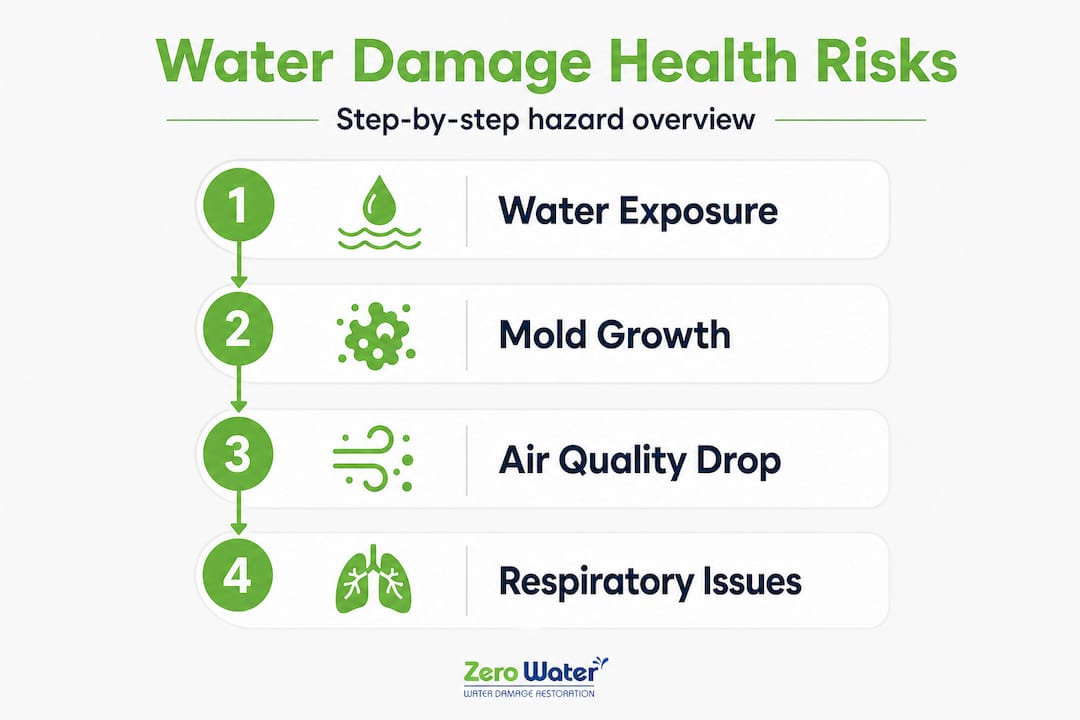
Mold is the biggest concern. It can begin forming within 24 to 48 hours on wet organic materials like wood, drywall, and fabric. Once established, it spreads through spores that travel through the air. The health effects include respiratory irritation, allergic reactions, and in more serious cases, chronic illness. The mold risks after flooding specific to Chicagoland homes are a real concern given the region’s humidity patterns and older housing stock.
A responsible restoration process follows these steps:
- Assessment by a trained professional who uses moisture meters and thermal imaging to map where water has traveled, including inside walls and under floors
- Water extraction using industrial-grade wet vacuums and pumps to remove standing water as quickly as possible
- Structural drying using high-powered air movers and commercial dehumidifiers to pull moisture from building materials
- Content removal and cleaning of salvageable personal belongings using appropriate techniques based on material type
- Mold remediation if mold growth is detected, which involves containment, removal of affected materials, and treatment of surfaces
- Reconstruction and restoration to return the space to its pre-damage condition
For safe recovery of personal belongings:
- Remove wet items from the affected area as soon as it is safe to do so
- Do not use household fans to dry out a space before professional assessment because this can spread mold spores
- Rinse non-porous items like glass, metal, and plastic with clean water and dry them quickly
- Porous items like mattresses and upholstered furniture that have been soaked for more than 24 hours are generally not salvageable
- Discard any food that was stored at floor level in a flooded area
- Wear gloves and a mask when handling items from a flood, especially if sewage was involved
Pro Tip: After initial drying, air out affected spaces thoroughly and monitor walls and baseboards for discoloration, soft spots, or musty odors over the next two weeks. These are early signs of mold growth.
Knowing how to make temporary repairs while waiting for professional help can also limit how much damage spreads. And understanding how to avoid mold exposure during and after the restoration process protects your family while the home is being treated.
The uncomfortable truth about water damage most homeowners miss
Here is what years of handling water damage in the northwest Chicago suburbs has taught us. Most homeowners underestimate the full cost and complexity of what they are dealing with, and that underestimation is what turns a manageable situation into a prolonged nightmare.
The financial damage is only part of it. The real cost of a serious water event includes the items you cannot replace, the days or weeks of disruption while your home is restored, the stress of living in a partially gutted space, and the emotional weight of losing things that mattered to you. A flooded basement is not just wet boxes. It might be decades of family photos, children’s artwork, or items that belonged to someone you lost.
The insurance side of things is also more complex than most people expect. Insurance disputes frequently arise from questions about cause, timing, and whether the damage resulted from an excluded source. Insurers are trained to find reasons to limit payouts. That is not cynicism. It is just how the system works. Homeowners who go through the claims process alone, without documentation and without professional support, often leave money on the table.
What we see consistently is that the homeowners who fare best are the ones who act fast, document everything, and work with professionals who understand both the restoration side and the insurance side. They do not wait to see if things dry out on their own. They do not assume their adjuster will catch everything. They advocate for themselves, and they get the right team involved early.
The idea that you can dry things out with fans and call it done is one of the costliest misconceptions we encounter. Moisture hidden inside walls and under flooring will fuel mold growth for weeks after the visible water is gone. Proper assessment using restoration expertise and the right drying equipment is not optional. It is the difference between a property that fully recovers and one that develops chronic problems.
Next steps: trusted help for water damage restoration
Water damage moves fast. The decision you make in the first few hours has a bigger impact on the final outcome than almost anything else.
At Zero Water Restoration, we have spent over 10 years helping homeowners throughout the northwest suburbs recover from exactly these situations. Whether you are dealing with a burst pipe in Schaumburg, a flooded basement in Barrington, or storm damage in Arlington Heights, our team responds 24/7, extracts water fast, dries your home completely, and manages the insurance process alongside you. Learn more about restoration in Barrington or explore our full mold remediation services if you suspect moisture has already created a mold problem. For a free inspection and estimate, visit Zero Water Restoration or call (847) 515-7000 today.
Frequently asked questions
What personal belongings are most at risk for water damage?
Furniture, flooring, stored items, electronics, documents, and clothing stored at floor level are among the most vulnerable when water enters a home.
Does homeowners insurance cover water damage to personal property?
Sudden accidental leaks are typically covered, but gradual leaks, poor maintenance, and external flooding are usually excluded from standard policies.
How quickly should you begin restoration after water damage?
Start as fast as possible since mold can begin growing within 24 to 48 hours, and one inch of standing water can cause up to $25,000 in damage to your property.
Is mold always a health risk after water damage?
Mold produces spores that affect indoor air quality and can cause respiratory problems, allergic reactions, and chronic illness if not fully remediated.
What should you document for a water damage insurance claim?
Photograph damaged items immediately, keep all receipts, note the exact timing of the event, and document every item affected since coverage outcomes often hinge on the quality and completeness of your documentation.