
A water damage restoration report is a formal document that records the source, extent, and remediation process of water damage in a property, and it serves as the primary evidence for both restoration decisions and insurance claims. Most homeowners receive this document after a flood or pipe failure and set it aside without reading it. That’s a costly mistake. The average water damage claim pays out between $11,000 and $13,000, and the accuracy of your restoration report directly shapes that number. Knowing how to read a water damage restoration report means you can verify the work, catch errors, and protect your claim before problems surface.
What are the key components of a water damage restoration report?
A professional water damage restoration report, sometimes called a damage inspection report or remediation assessment, follows a predictable structure. Learning that structure is the fastest way to stop feeling overwhelmed by the paperwork.
Most reports include these core sections:
- Damage overview: A written summary of what happened, when it was discovered, and which areas of the property were affected.
- Water source category: A classification of the water type. Category 1 is clean water, Category 2 is gray water from appliances or sinks, and Category 3 is black water from sewage or floodwater. Each category requires a different remediation method and carries different health risks.
- Affected materials list: A room-by-room breakdown of damaged materials, including drywall, flooring, insulation, and structural framing.
- Moisture readings and mapping: Numerical measurements taken by moisture meters and hygrometers, plotted across the affected area to show where water traveled.
- Drying plan and equipment log: A record of air movers, dehumidifiers, and other drying equipment placed on site, including dates and quantities.
- Photographic documentation: Time-stamped photos of damage before, during, and after remediation. Daily logs and photos form the backbone of any credible restoration report.
- Final inspection summary: A sign-off confirming that all materials have reached acceptable moisture levels and that the property is ready for reconstruction.
The water category classification deserves extra attention. Homeowners frequently underestimate Category 3 water severity, which can expose occupants to bacteria and pathogens if remediation is incomplete. If your report lists Category 3, the scope of work should include full containment, personal protective equipment for workers, and disposal of porous materials like carpet and drywall.
Pro Tip: Ask your contractor to confirm which IICRC S500 standard was followed. The S500 is the industry benchmark for water damage restoration, and its category system is what professional reports use. If the report doesn’t reference it, ask why.
How to interpret moisture readings and damage assessments
Moisture readings are the technical core of any water restoration assessment. They tell you whether the damage is surface-level or structural, and whether drying is actually complete.
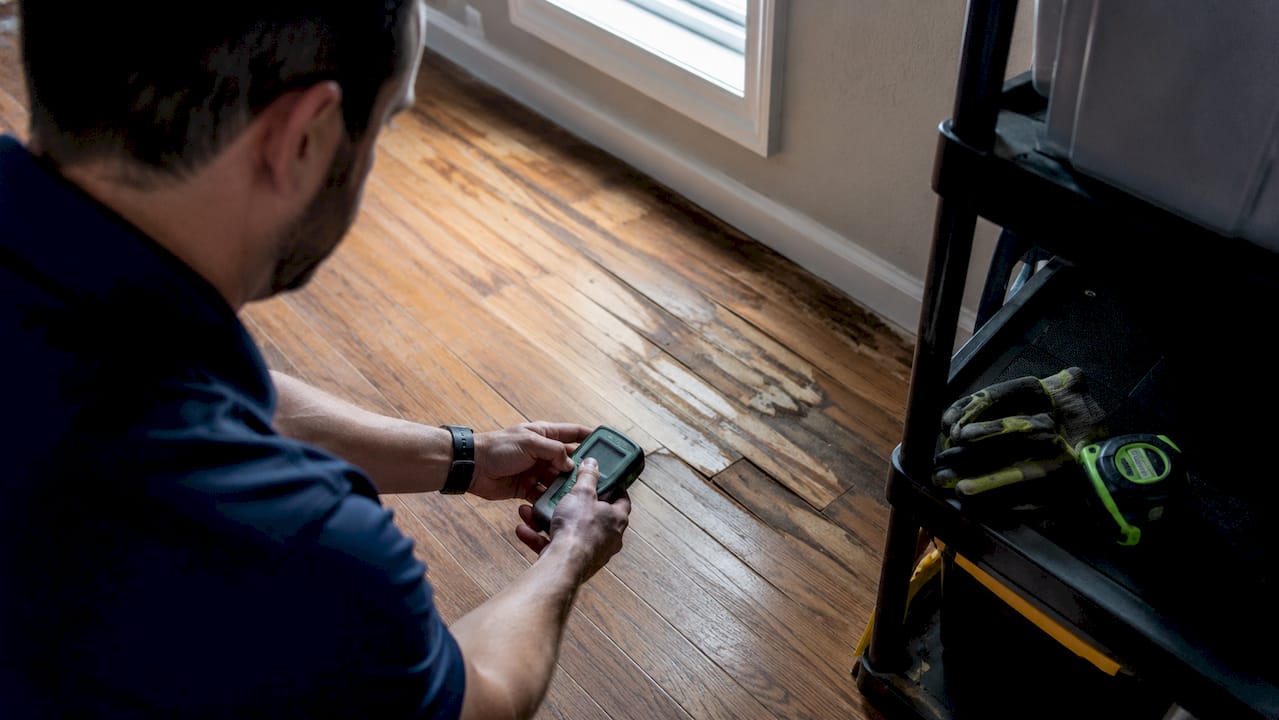
Moisture content above 20% in building materials signals active water damage requiring remediation. That threshold matters because materials like wood framing and drywall begin to support mold growth at sustained moisture levels above that point. A reading of 12% to 15% in wood is typically considered dry. Anything above 20% in a report that claims the job is finished is a red flag worth questioning.
Here is how to read the moisture data in your report:
| Reading Type | What It Measures | What to Look For |
|---|---|---|
| Baseline reading | Moisture level at first inspection | Should be the highest numbers in the report |
| Daily drying log | Moisture tracked each day | Numbers should decrease consistently over time |
| Final reading | Moisture at job completion | Should be at or below normal dry levels for the material |
| Comparison readings | Unaffected areas used as reference | Final readings should match these reference points |
Drying logs that show flat or rising moisture levels mid-job indicate a problem. Either the equipment was insufficient, or there is a hidden moisture source the contractor missed. Thermal imaging cameras can suggest moisture behind walls, but thermal imaging must be confirmed by direct moisture meter readings before any area is declared dry. A report that relies only on thermal images without meter confirmation is incomplete.
Structural damage indicators in a report include readings taken at wall cavities, subfloor assemblies, and ceiling joists. If those readings are elevated and the report does not document remediation of those specific areas, the structural integrity of your property may still be at risk.
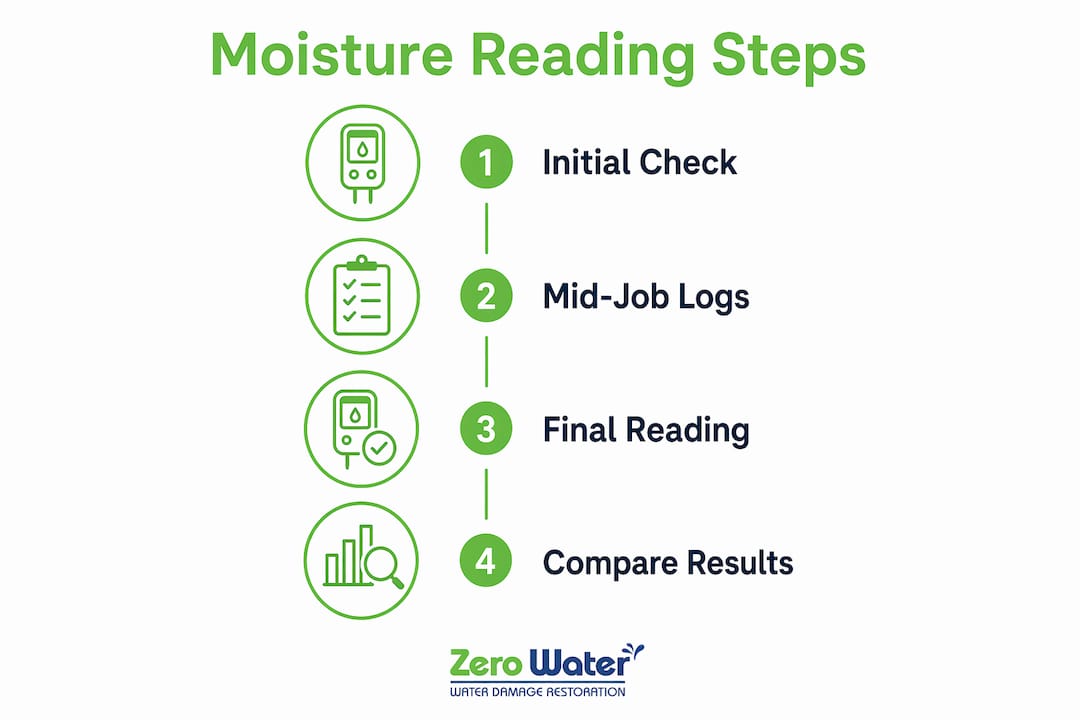
Pro Tip: Compare the baseline readings on day one to the final readings at job close. The difference shows you the actual drying progress. If the gap is small, the damage may have been less severe than quoted. If the final readings are still high, the job is not done.
How to use the report to manage restoration and insurance claims
A thorough and accurate restoration report significantly smooths the insurance claim process and gives you leverage in contractor negotiations. Treating the report and your insurance policy as linked documents is the most effective approach to protecting your claim outcome.
Follow these steps when using your report for a claim:
- Verify the event timestamp. Insurance adjusters look for proof that damage was sudden, not gradual. Timestamped evidence of a sudden event is the primary defense against gradual damage exclusions, which are one of the most common reasons claims get denied.
- Cross-reference the scope of work. Every item listed as damaged in the report should appear in the contractor’s repair estimate. If drywall is documented as affected but not listed for replacement, push back.
- Confirm the final inspection is included. A weak final inspection report is the leading cause of recurring moisture problems and mold growth after restoration. Your report should include a signed final inspection with moisture readings, not just a verbal sign-off.
- Organize your documents in one folder. Keep the original report, all daily logs, the contractor invoice, adjuster correspondence, and any supplemental photos together. Gaps in this paper trail can delay or reduce your payout.
- Act quickly on finalization. Delays in finalizing restoration reports or invoices can lead to denied reimbursements and legal complications years after the event. Do not let your contractor sit on paperwork.
“Viewing the restoration report and your insurance policy as linked contracts is the single most effective shift in mindset for property owners navigating a claim.” — Shipshape Insurance Claims Research
For complex claims or disputes, consider working with a public adjuster who specializes in water damage. They read restoration reports professionally and can identify underdocumented damage that your insurer might otherwise exclude. You can also review the insurance claim steps for Illinois homeowners to understand what documentation your adjuster will expect.
Common mistakes to avoid when reading flood damage documentation
Most errors homeowners make with restoration reports are not about misreading numbers. They are about skipping sections entirely or trusting assumptions that the report does not actually support.
Watch out for these specific pitfalls:
- Ignoring the water category. A report that lists Category 2 or Category 3 water requires contamination protocols. If the scope of work does not reflect that, your home may not be safe to occupy even after drying is complete.
- Trusting visual inspection over meter readings. Surfaces can look and feel dry while moisture is still trapped in wall cavities and subfloor assemblies. A burst pipe can release up to 6 gallons of water per minute, meaning significant water can migrate far beyond the visible damage zone within hours.
- Accepting an incomplete report. A report missing drying logs, baseline readings, or a final inspection summary is not a complete document. Do not sign off on the job or release final payment until all sections are present.
- Failing to document quickly. Delays of 24 to 48 hours after a water event can dramatically worsen damage and complicate the claim timeline. The sooner documentation begins, the stronger your position with the insurer.
- Skipping the final dryness verification. A comprehensive final file closure with change orders, repair notes, and sanitation reports prevents future disputes. If your report ends without a verified final moisture check, request one in writing before the contractor leaves the job.
Understanding these gaps in flood damage documentation is what separates homeowners who get full claim settlements from those who end up paying out of pocket for recurring mold or structural repairs.
Key takeaways
Reading a water damage restoration report correctly protects your property, your health, and your insurance claim by giving you the evidence to verify that remediation was complete and properly documented.
| Point | Details |
|---|---|
| Water category determines scope | Category 3 black water requires full containment and material disposal, not just drying. |
| 20% moisture threshold is the line | Any final reading above 20% in building materials means the job is not finished. |
| Timestamps protect your claim | Sudden-event documentation prevents insurers from applying gradual damage exclusions. |
| Final inspection is non-negotiable | A signed final report with verified moisture readings is required before releasing payment. |
| Report delays cost money | Late invoices and incomplete reports can result in denied reimbursements and future disputes. |
What I’ve learned from years of reading these reports
After working through hundreds of water damage jobs across the northwest suburbs of Chicago, the pattern I see most often is not fraud or negligence. It’s incomplete documentation that nobody caught in time.
Homeowners get the report, flip to the total cost, and file it away. Then six months later, a musty smell appears in the basement or a wall starts to bubble. By that point, the contractor has moved on, the insurer considers the claim closed, and the homeowner is holding a repair bill with no recourse. Reading the report early and carefully is what breaks that cycle.
The section most people skip is the drying log. Those daily moisture readings tell you whether the contractor actually monitored the job or just placed equipment and walked away. A legitimate drying log shows a clear downward trend across every affected material. If the numbers are inconsistent or missing days, that is worth a direct conversation before you sign off.
I also think homeowners underestimate how much the report matters in contractor negotiations. If the scope of work in the report does not match what was actually done, you have documentation to dispute the invoice. That leverage disappears the moment you pay in full without reviewing the paperwork. Treat the report as a contract, not a receipt. It tells you what was promised, what was measured, and what was verified. Those three things together are what protect you long after the equipment is gone.
— Jim
Get expert restoration support from Zerowaterrestoration
Zerowaterrestoration has spent over 10 years helping homeowners and property managers across Schaumburg, Barrington, Arlington Heights, and the greater Chicagoland area get through water damage the right way. That means fast response, thorough documentation, and direct coordination with your insurance adjuster from day one. The team produces detailed restoration reports that include moisture mapping, daily drying logs, and final inspection sign-offs, giving you the paper trail you need for a clean claim. If you need professional water damage restoration or want help interpreting an existing report, call Zerowaterrestoration at (847) 515-7000 or visit zerowaterrestoration.com for a free inspection and estimate.
FAQ
What is a water damage restoration report?
A water damage restoration report is a formal document that records the source, category, extent, and remediation process of water damage in a property. It includes moisture readings, drying logs, equipment records, and photographic evidence used for both restoration verification and insurance claims.
What does a moisture reading above 20% mean in a report?
A moisture reading above 20% in building materials indicates active water damage that requires remediation. Any final inspection showing readings above this threshold means drying is incomplete and the job should not be considered finished.
How does the water category affect restoration?
Water categories define contamination risk. Category 1 is clean water, Category 2 is gray water, and Category 3 is black water from sewage or flooding. Category 3 requires full containment, protective protocols, and disposal of porous materials, so the scope of work in the report must reflect those requirements.
Why does documentation timing matter for insurance claims?
Insurers can deny claims by classifying damage as gradual rather than sudden. Timestamped photographic and sensor evidence of the water event, documented in the restoration report, is the primary defense against that exclusion and is critical for claim approval.
When should I hire a public adjuster to review my report?
Hire a public adjuster when your claim is disputed, when the insurer’s settlement offer seems low, or when the restoration report appears incomplete. Public adjusters read these documents professionally and can identify underdocumented damage that affects your final payout.