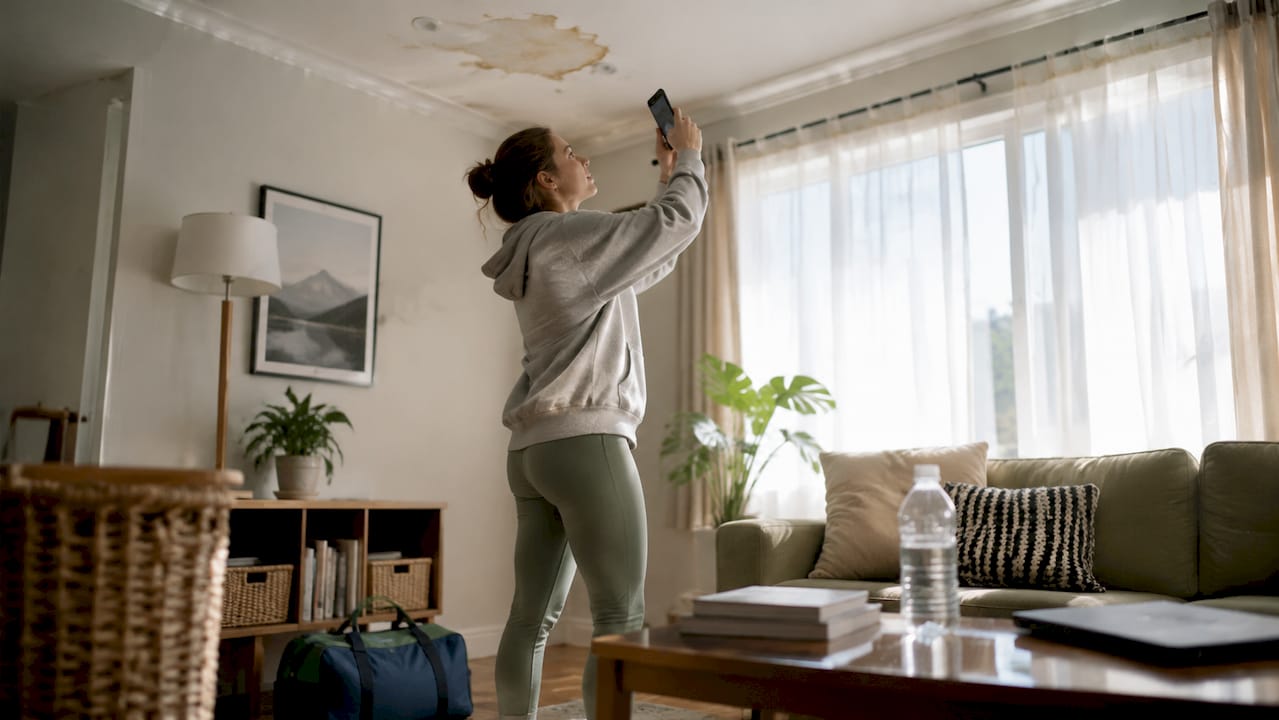
Tenant water damage responsibilities are clear: you are liable for damage caused by your own negligence, and you are legally required to report any water issues to your landlord promptly. Failing to report a leak, leaving a faucet running, or causing an overflow shifts financial responsibility onto you, even if the original plumbing defect was your landlord’s fault. This guide covers tenant water damage liability, what renters insurance actually covers, what to do after water damage strikes, and how to protect yourself at every step.
1. What specific water damage responsibilities do tenants have?
Tenant negligence is defined as damage caused by a renter’s actions or inaction, such as leaving a faucet running, allowing a bathtub to overflow, or failing to report a known leak. These situations place the repair cost squarely on the tenant. The line between tenant and landlord responsibility depends almost entirely on who caused the problem and who knew about it first.
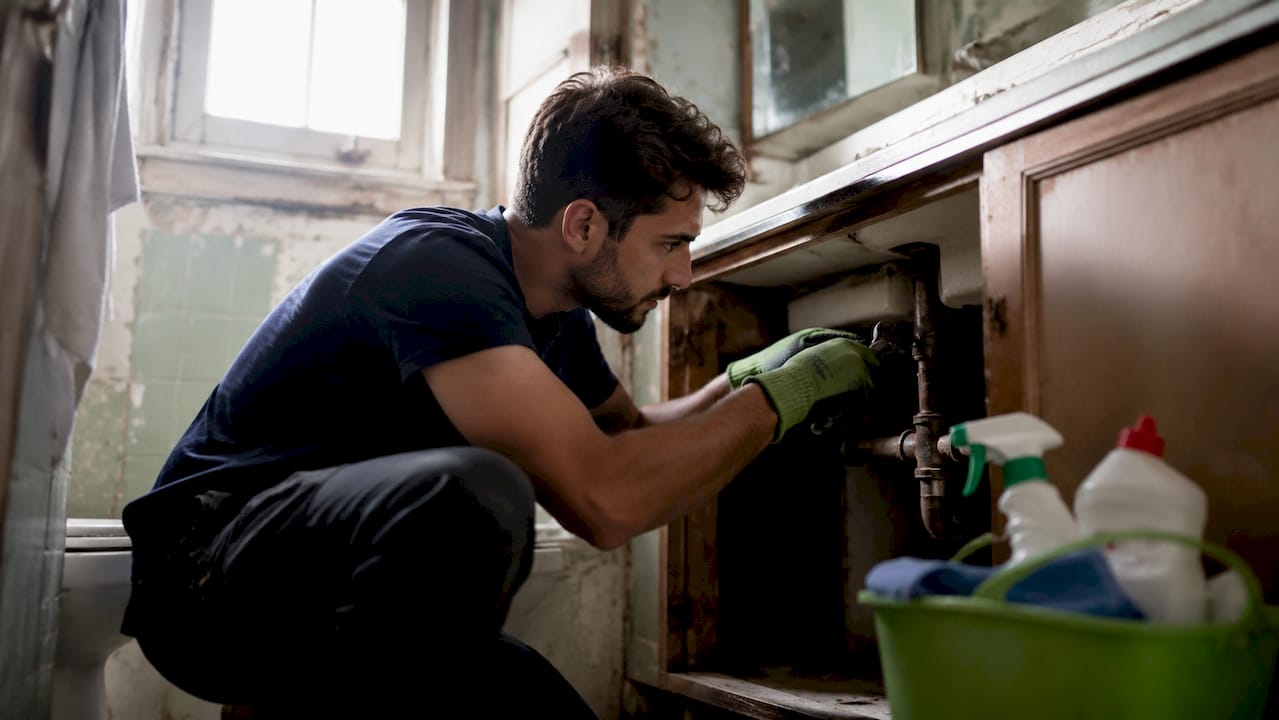
Prompt reporting is legally required, and failure to report can shift liability to the tenant for all secondary damage. That means if a small leak under your sink grows into a mold problem because you waited two weeks to mention it, you may owe far more than the original repair.
Your core responsibilities as a tenant include:
- Report any water issue to your landlord in writing as soon as you discover it
- Cooperate with repair crews by providing access and moving your belongings out of the way
- Avoid unauthorized changes to plumbing or fixtures
- Keep damaged personal items in place for insurance inspection
- Do not discard anything before an adjuster has seen it
Pro Tip: Send your damage report by email or text so you have an automatic timestamp. A verbal report gives you no legal protection.
2. How tenant liability differs from landlord responsibilities
Landlords are responsible for the building’s structure, plumbing, and systems. Once you notify them of a problem, the legal clock starts. Landlords must respond to urgent water repairs within 24–48 hours. Non-urgent repairs are typically resolved within 30–90 days depending on local laws. That response window only opens after you report the issue.
The legal threshold for landlord responsibility begins with proving they had knowledge of the damage. Verbal reports are insufficient without documentation. This is why written, timestamped notification is the single strongest action you can take to protect yourself.
Here is how responsibility typically divides:
| Situation | Who is responsible |
|---|---|
| Burst pipe due to building age | Landlord |
| Overflow caused by tenant misuse | Tenant |
| Leak tenant reported promptly | Landlord (once notified) |
| Leak tenant failed to report | Tenant (for worsening damage) |
| Storm damage to roof | Landlord |
“Tenant failure to promptly report water issues can legally transfer the full cost of worsening damage to the tenant, even if the initial cause was the landlord’s defect.” — Legal guidance on tenant notification obligations
Delays caused by late reporting lead to increased costs and legal disputes that tenants often lose. Report first, ask questions later.
3. How renters insurance fits into your water damage obligations
Renters insurance covers your personal belongings, not the building. Landlord’s insurance covers the structure and plumbing but not your furniture, electronics, or clothing. Many tenants assume their landlord’s policy protects them. It does not.
Renters insurance typically costs $25–$50 per month and covers personal property damaged by water. That is a low monthly cost compared to replacing a soaked couch, a ruined laptop, and a wardrobe full of damaged clothes.
What renters insurance typically covers:
- Personal property damaged by sudden water events (burst pipes, appliance failures)
- Liability if your negligence causes water damage to a neighbor’s unit
- Additional living expenses if your unit becomes uninhabitable
What renters insurance typically does not cover:
- Gradual leaks you knew about and ignored
- Flooding from outside (requires separate flood insurance)
- The building structure itself
When tenant-caused damage affects other units, your renters insurance liability coverage pays for the third-party damages. Without that coverage, you pay out of pocket. For more on how insurance claims work alongside restoration, the water damage insurance claim steps guide from Zerowaterrestoration covers the Illinois process in detail.
Pro Tip: Review your renters insurance policy before a problem occurs. Know your deductible, your personal property limit, and whether your policy covers water backup events.
4. What to do immediately after discovering water damage
Speed matters more than most renters realize. Every hour of standing water increases structural damage and raises the risk of mold growth. Follow these steps in order.
- Stop the water source. Turn off the supply valve under the sink or behind the toilet. If you cannot locate the shutoff, call your landlord immediately.
- Document everything. Take photos and video of all affected areas before touching anything. Capture timestamps in your file names or use your phone’s camera metadata.
- Notify your landlord in writing. A written, timestamped report is the most crucial action you can take to trigger landlord responsibility and protect yourself legally.
- Preserve damaged items. Keep damaged personal items for insurance adjuster inspection. Discarding them before the adjuster visits risks a denied claim.
- Contact your renters insurance provider. File your claim as soon as possible. Delays can complicate coverage.
- Cooperate with restoration crews. Tenants must cooperate with restoration efforts, including providing access and not blocking equipment. Obstruction can jeopardize your landlord’s insurance claim and slow your own recovery.
Pro Tip: Create a single folder on your phone labeled with the date of the incident. Drop every photo, email, and text into it. This becomes your evidence file if a dispute arises.
For a clear picture of how the restoration timeline unfolds after water damage, Zerowaterrestoration’s guide walks through each phase from extraction to final repairs.
5. Water damage prevention tips to reduce your liability
The best way to avoid a liability dispute is to prevent the damage in the first place. Tenants who catch small problems early rarely face large repair bills.
Practical steps to reduce your risk:
- Inspect fixtures regularly. Check under sinks, around the toilet base, and behind the washing machine monthly. A slow drip becomes a flood if ignored.
- Report minor issues immediately. A small stain on the ceiling or a slow drain is worth a quick email to your landlord. Early reports protect you from liability for worsening damage.
- Never alter plumbing without permission. Unauthorized changes to pipes or fixtures make you liable for any resulting damage, regardless of the original condition.
- Use water leak detectors. Inexpensive sensors placed under sinks and near appliances alert you to moisture before it becomes a problem.
- Keep drains clear. Hair, grease, and debris cause backups that overflow and damage floors and cabinets. Use drain covers and clean them weekly.
- Use appliances correctly. Overloading a washing machine or running a dishwasher with a loose hose connection are common causes of tenant-caused water damage.
For more water damage prevention tips specific to Illinois properties, Zerowaterrestoration has a practical guide covering seasonal risks and everyday habits that reduce exposure.
Key Takeaways
Tenants who report water damage in writing immediately, maintain renters insurance, and cooperate fully with repairs protect themselves from liability and claim denial.
| Point | Details |
|---|---|
| Report in writing immediately | A timestamped written report triggers landlord responsibility and protects you legally. |
| Negligence creates liability | Damage from your misuse or delayed reporting shifts repair costs to you. |
| Renters insurance is not optional | It covers your belongings and third-party liability; your landlord’s policy covers neither. |
| Preserve damaged items | Keep all damaged property until an insurance adjuster inspects it to avoid claim denial. |
| Cooperate with restoration | Blocking access or obstructing equipment can jeopardize both your claim and your landlord’s. |
What I’ve learned after years of watching tenants get this wrong
The single most common mistake I see is tenants treating water damage as the landlord’s problem to discover. They notice a damp spot, assume it will dry out, and say nothing. Three weeks later, there is mold behind the drywall, and suddenly the tenant is facing a bill for damage that started as a two-dollar fix.
Written documentation is not bureaucratic overkill. It is the only thing that separates “the landlord knew and did nothing” from “the tenant never told anyone.” I have seen tenants lose disputes they should have won simply because they called instead of emailed. A phone call disappears. An email with a timestamp does not.
Renters insurance surprises people too. Most tenants I talk to either do not have it or have no idea what it covers. The liability portion is the part that really matters. If your washing machine hose fails and floods the unit below yours, your neighbor’s damaged belongings become your financial problem without that coverage.
The other thing worth saying plainly: do not throw anything away after a water event. I know the instinct is to clean up fast. But insurers often deny contents claims when tenants dispose of damaged items before the adjuster arrives. Photograph everything, bag it if you need to, and wait for the call.
Good documentation and prompt communication are not just good habits. They are your legal protection.
— Jim
Professional water damage restoration in the northwest suburbs
When water damage hits a rental property, the speed of professional response determines how much damage spreads and how quickly life returns to normal.
Zerowaterrestoration serves tenants and property owners throughout Barrington, Schaumburg, Arlington Heights, and the surrounding northwest suburbs of Chicago. The team is available 24/7 for emergency response and handles everything from water extraction and drying to mold remediation and full reconstruction. Zerowaterrestoration works directly with insurance providers to manage documentation and communicate with adjusters, which takes significant pressure off both tenants and landlords during an already stressful situation. Call (847) 515-7000 or visit zerowaterrestoration.com for a free inspection and estimate.
FAQ
Who pays for water damage in a rental property?
Responsibility depends on the cause. Landlords pay for damage from structural defects or plumbing failures once notified. Tenants pay for damage caused by their own negligence or misuse.
What happens if a tenant does not report water damage promptly?
Failure to report promptly can shift full liability for worsening damage to the tenant, even if the original cause was the landlord’s defect.
Does renters insurance cover water damage to personal belongings?
Yes. Renters insurance covers personal property damaged by sudden water events such as burst pipes. It does not cover gradual leaks you ignored or flooding from outside.
Can a tenant be held liable for water damage to a neighbor’s unit?
Yes. When tenant-caused damage affects other units, the tenant’s renters insurance liability coverage pays for third-party damages. Without coverage, the tenant pays out of pocket.
How quickly must a landlord fix water damage after being notified?
Landlords must address urgent water repairs within 24–48 hours. Non-urgent repairs typically fall within a 30–90 day window depending on local regulations.