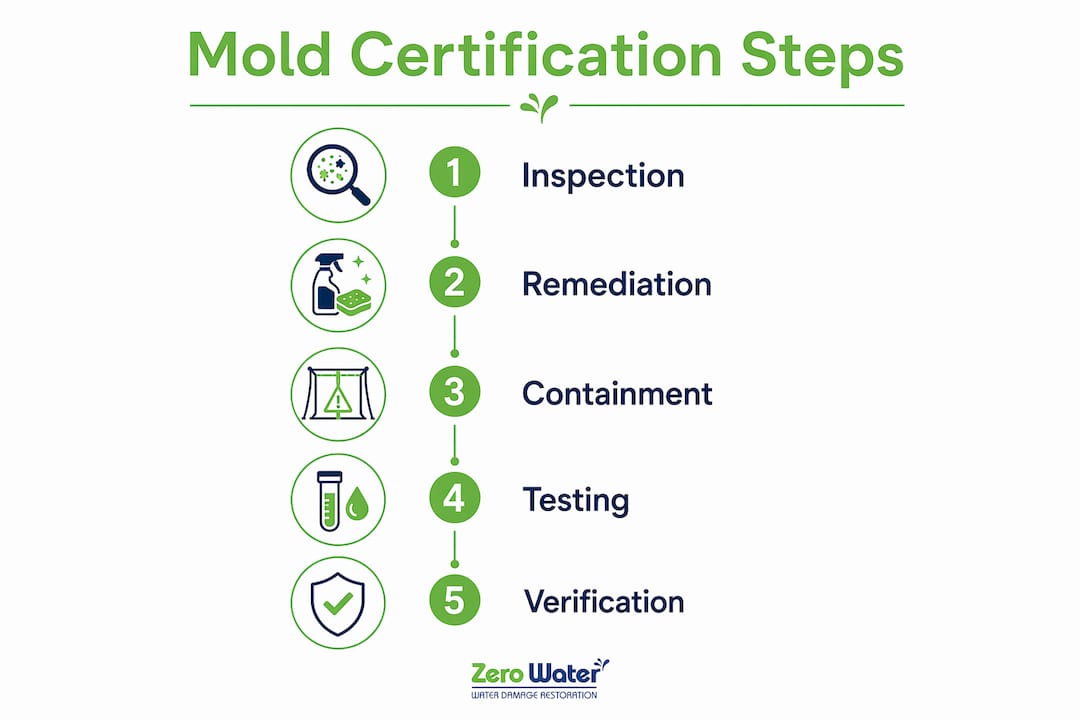
To certify your home mold free after remediation, you need an independent post-remediation verification (PRV) conducted 24–48 hours after cleanup finishes, before any containment barriers come down.
PRV combines three components: a thorough visual inspection for residual mold and dust, moisture measurements to confirm the original water problem is resolved, and air sampling that compares indoor spore counts to outdoor baseline levels. No federal agency issues a national mold-free certificate. The EPA does not certify mold inspectors or remediation firms, so you rely on industry credentials like the IICRC Mold Remediation Specialist (MRS) and the ACAC Certified Mold Remediator (CMR) to vet whoever you hire. When PRV passes, the inspector issues a clearance report, which is your documentation that indoor mold levels have returned to normal background conditions.
Key requirements for valid mold clearance verification:
- An independent third party, not the remediation crew, must perform the PRV to avoid conflicts of interest
- Visual inspection, moisture assessment, and air sampling must all pass, not just one or two
- The underlying moisture source must be fully resolved before testing, or mold will return regardless of cleanup quality
- Containment barriers stay in place until clearance is confirmed
- The clearance report documents the result for insurance claims, real estate disclosures, or personal records
What the post-remediation verification process actually involves
PRV is a structured, objective assessment, not a quick walkthrough. A qualified independent assessor arrives after remediation is complete but before any plastic sheeting or negative air pressure equipment is removed. The EPA’s mold course confirms that visual inspection plus moisture and air testing are all critical components, and that air sampling alone should not replace a thorough visual survey.
The PRV covers three distinct areas:
- Visual inspection: The assessor checks every remediated surface for residual mold growth, dust accumulation, and containment integrity. Musty odors are a red flag even when surfaces look clean.
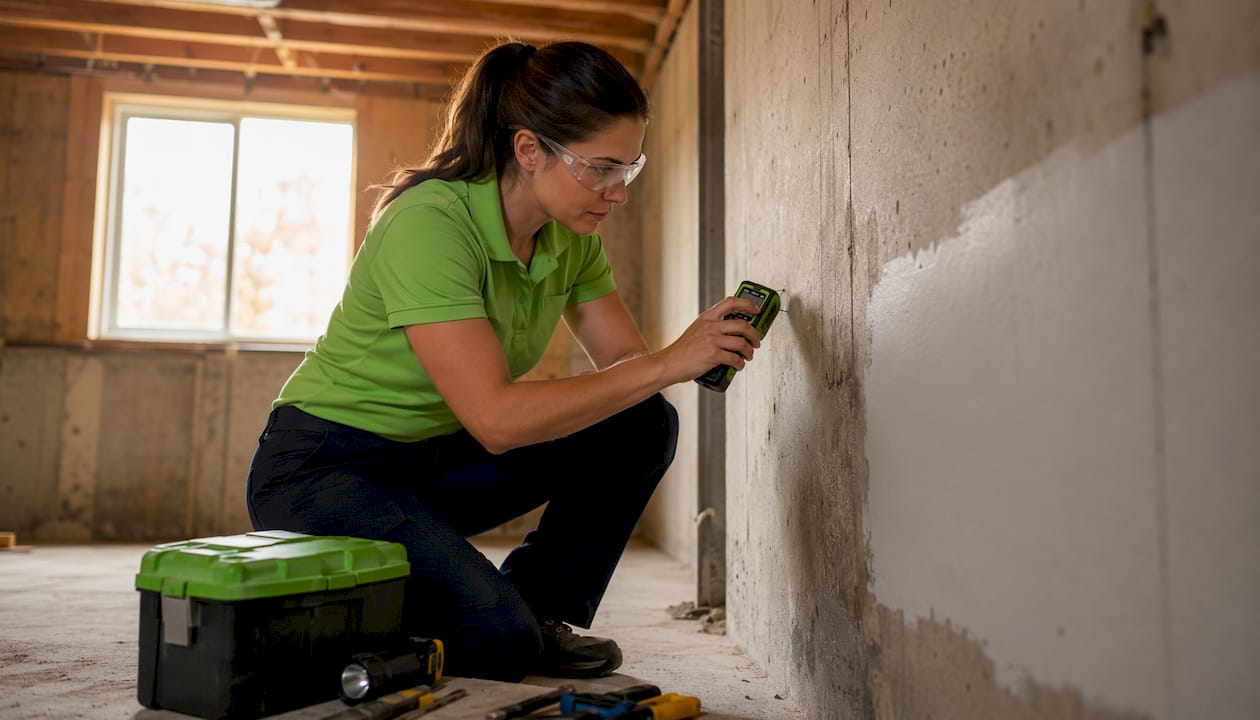
- Moisture assessment: Pin and pinless moisture meters measure material moisture content, and a hygrometer confirms relative humidity is below 50%. If readings are still elevated, the water source has not been fully addressed.
- Air sampling: Spore trap cassettes collect air samples from inside the remediated area and outdoors simultaneously. Indoor spore types and counts must match or fall below outdoor levels, with no abnormal species present, to achieve clearance.
Testing methods also include surface sampling and bulk sampling for cases where hidden contamination is suspected. Surface swabs or tape lifts identify mold on specific materials; bulk samples pull a piece of material for lab analysis. Combined, these methods give the clearest picture of whether remediation succeeded.
Pro Tip: Never let the remediation crew remove containment before your independent assessor arrives. Containment barriers must stay in place until clearance testing confirms success. Pulling them early risks spreading residual spores and triggering a costly second round of remediation.
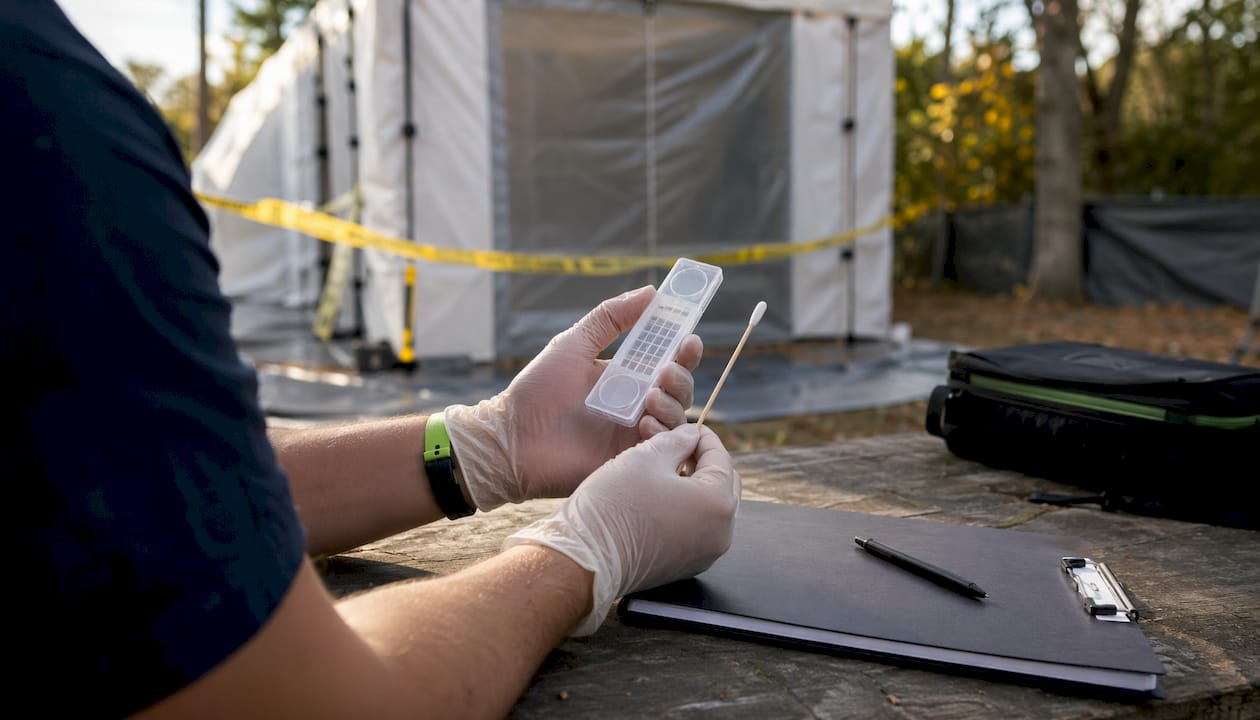
Home test kits are not a substitute here. DIY settle plates cannot provide the calibrated spore trap sampling or outdoor control comparison that a valid PRV requires.
Who can certify mold removal and which credentials actually matter
The EPA has no certification program for mold inspectors or remediation firms, and it does not maintain a national list of approved contractors. Some states have their own licensing requirements, so checking with your state’s indoor air quality contacts is worth doing. At the federal level, no national US government certification exists, which means credential verification falls entirely on you.
Two industry credentials carry the most weight:
- IICRC Mold Remediation Specialist (MRS): Requires demonstrated field experience and passing a rigorous examination. Professionals holding this credential follow the IICRC S520 standard for mold remediation and verification protocols.
- ACAC Certified Mold Remediator (CMR): Issued by the American Council for Accredited Certification, this credential focuses specifically on mold assessment and remediation competency.
The single biggest red flag in mold certification is a remediation company offering to conduct its own clearance testing. A conflict of interest arises when the same firm that did the cleanup also signs off on the results. Independent third-party testing is the only arrangement that produces trustworthy certification.
When vetting an inspector, ask for their specific credential number, verify it with the issuing body, and confirm they carry errors and omissions insurance. Professionals who also handle radon, lead, or asbestos inspections sometimes offer mold assessment as an additional service. That is fine, but their mold-specific credentials still need to check out.
Independent PRV testing typically costs $300–$600. That fee is modest compared to paying for a second full remediation because the first one was never properly verified.
Why fixing the moisture source is the most important step of all
Mold remediation without resolving the underlying moisture problem is temporary. The EPA states plainly that no matter how thorough the cleanup, if the water problem is not solved, mold will return. Weeks or months later, you are back where you started.
The most common moisture sources that get missed:
- Slow roof or flashing leaks that only appear during heavy rain
- Condensation on cold pipes inside walls, especially in basements
- HVAC systems with drainage pan failures or duct condensation issues
- Poor exterior grading that directs groundwater toward the foundation
Moisture meters and relative humidity readings during PRV will catch active moisture problems. If readings are still elevated, the assessor will flag the area as not cleared, regardless of how clean the surfaces look. That is the system working correctly. Fixing the source first, then remediating, then testing is the only sequence that produces a durable result. Zerowaterrestoration’s dehumidification and mold prevention guide covers practical steps for controlling indoor humidity after remediation is complete.
Mold also grows on carpet and grout in moisture-prone areas. A professional cleaning approach for surfaces like shower grout can eliminate residual growth that a larger remediation project might overlook.
When to schedule mold testing after remediation
Timing the PRV correctly matters as much as the testing itself. Schedule the inspection 24–48 hours after remediation is complete, but before containment comes down or new building materials go in. That window allows airborne dust and disturbed spores to settle, which produces more accurate air sampling results.
A few practical rules for timing:
- Allow at least 24 hours of undisturbed air inside the contained area before air sampling begins
- Do not delay testing beyond roughly five days after remediation ends, since external contamination can skew results
- Keep HVAC systems off during testing unless the scope of remediation included the duct system, in which case the assessor will specify the protocol
- Coordinate the inspection date with your remediation contractor so containment remains fully intact when the assessor arrives
Post-remediation testing most often occurs one to three days after cleanup while containment is still in place, giving the assessor a stable environment to evaluate. If testing fails, the remediation contractor is responsible for re-cleaning at no additional charge before a second PRV takes place. Holding final payment until the PRV passes is standard practice and protects your investment.
The goal of the entire process is not zero mold. Remediation targets Condition 1 as defined by the IICRC: normal background indoor mold levels without active colonization. Mold spores exist naturally in every environment. Clearance means indoor levels are consistent with outdoor baseline, not that the air is sterile.
Key Takeaways
Certifying your home mold free after remediation requires independent PRV, resolved moisture sources, and credentials-verified professionals following IICRC S520 standards.
| Point | Details |
|---|---|
| PRV timing | Schedule independent testing 24–48 hours after remediation is complete, definitively before containment is removed, to allow accurate assessment before any barriers come down. |
| Three-part verification | Visual inspection, moisture assessment, and air sampling must all pass for valid clearance. |
| No federal certification | The EPA issues no national mold certification; verify IICRC MRS or ACAC CMR credentials independently. |
| Moisture source first | Mold returns if the water problem is not fully resolved before or during remediation. |
| Independent testing cost | PRV by a qualified third party typically costs $300–$600, offering objective clearance verification that protects the homeowner’s investment. |
Zerowaterrestoration handles the full process, from remediation to clearance
Zerowaterrestoration serves homeowners throughout the northwest suburbs of Chicago, including Schaumburg, Arlington Heights, Palatine, and Barrington. The team handles mold remediation from initial assessment through full restoration, and works directly with insurance providers to manage documentation and keep out-of-pocket costs down.
If you are dealing with mold after water damage or want to confirm your home is safe after a remediation project, Zerowaterrestoration’s mold remediation services cover the complete scope. Call (847) 515-7000 or visit zerowaterrestoration.com for a free inspection and estimate.