The most common misconceptions about mold remediation, debunked
Most homeowners get mold wrong in at least one critical way. They reach for bleach, assume the problem is cosmetic, or figure a new house is safe. None of that holds up. The common misconceptions about mold remediation are not just harmless misunderstandings; they lead to incomplete cleanup, recurring growth, and real health consequences.
Here is the short version before going deeper:
Myths vs. Facts at a Glance
- Myth: Mold only harms people with allergies. Fact: The EPA confirms mold exposure can irritate the eyes, skin, nose, throat, and lungs of anyone, not just allergy sufferers.
- Myth: New homes don’t get mold. Fact: Mold grows wherever moisture exists, regardless of a home’s age.
- Myth: Only floods cause mold. Fact: A slow pipe leak, poor bathroom ventilation, or a roof drip can all produce mold within 24–48 hours.
- Myth: Bleach kills mold effectively. Fact: The EPA does not recommend bleach as a routine mold cleanup method; dead mold spores still trigger allergic reactions.
- Myth: You can handle any mold problem yourself. Fact: The EPA advises calling a professional when the affected area exceeds 10 square feet or involves HVAC systems.
- Myth: Fixing the mold is enough. Fact: Without eliminating the moisture source, mold returns every time.
Moisture control is the foundation of every successful remediation. Everything else is secondary.
Why so many mold removal misconceptions persist, and what the facts actually say
1. Mold only grows in dirty homes
Cleanliness has almost nothing to do with it. Mold needs moisture, a surface to grow on, and warmth. A spotless bathroom with poor ventilation is just as vulnerable as a neglected basement. Dust and dirt can provide nutrients, but they are not the trigger. Moisture is.
2. All mold is “black mold”
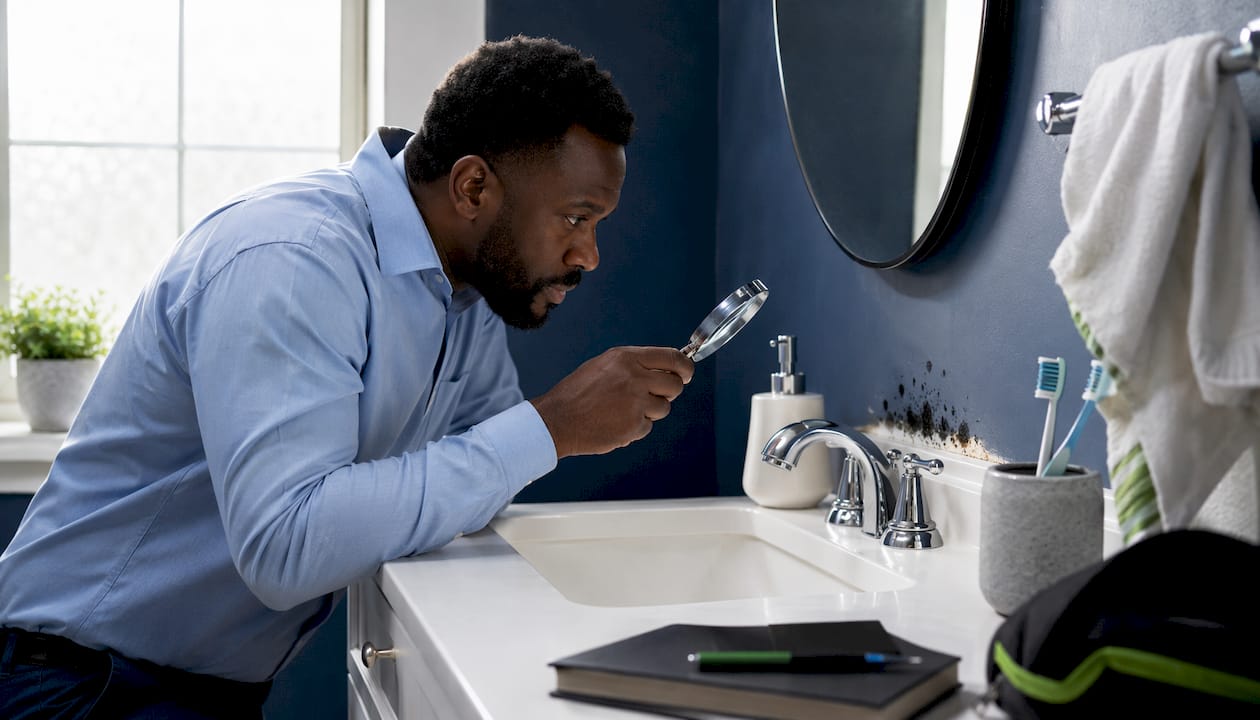
Homeowners hear “black mold” and picture one specific villain: Stachybotrys chartarum. The reality is that hundreds of mold species appear in homes, and many of them are dark green, gray, or black. The CDC clarifies that Stachybotrys chartarum should be treated like any other mold. Fixating on color wastes time and creates false reassurance when the mold happens to be a lighter shade.
3. Mold goes away on its own
It does not. Without removing the moisture source and physically eliminating the growth, mold colonies expand. Spores spread through air movement, settle on new surfaces, and restart the cycle. Waiting it out is how a small bathroom patch becomes a wall cavity problem.
4. Cleaning mold solves the problem
Scrubbing visible mold off a surface without fixing the underlying moisture issue is a temporary fix at best. The EPA is direct on this point: if you clean up the mold but don’t fix the water problem, the mold problem will almost certainly come back. Remediation and moisture repair are one job, not two separate tasks.
5. Painting over mold makes it go away
“Do not paint or caulk moldy surfaces. Clean up the mold and dry the surfaces before painting. Paint applied over moldy surfaces is likely to peel.” — EPA, A Brief Guide to Mold, Moisture, and Your Home
Painting over mold traps moisture underneath, accelerates structural decay, and causes the finish to fail within months. The EPA warns explicitly against this approach. It is one of the most common and costly mistakes homeowners make, because it looks like a solution while the problem gets worse behind the wall.
6. Bleach is the best tool for mold removal
Bleach kills surface mold on non-porous materials, but it cannot penetrate drywall, wood, or grout. Dead mold spores left behind still cause allergic reactions in sensitive individuals, which is why the EPA does not recommend bleach as a routine cleanup method. If bleach is used at all, the safe dilution is no more than 1 cup per gallon of water, and it must never be mixed with ammonia because the resulting fumes are toxic.
7. Mold remediation is always covered by homeowners insurance
Coverage depends entirely on the cause. Sudden, accidental water damage (a burst pipe, for example) is typically covered. Mold that developed from a slow, unaddressed leak or deferred maintenance usually is not. Reviewing your policy before a problem arises, and understanding what your insurer considers “sudden” versus “gradual,” can prevent a very unpleasant surprise. A residential claims specialist can help homeowners navigate the documentation process when coverage is disputed.
8. Mold is only a surface problem
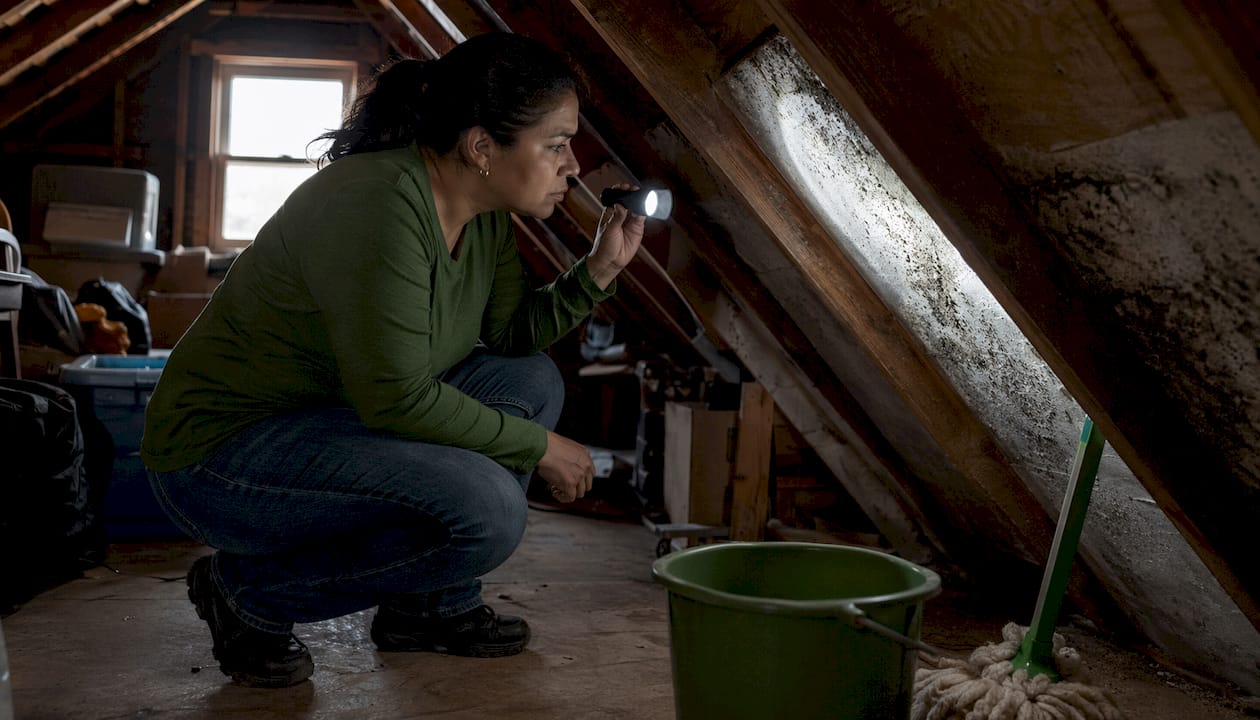
Mold visible on a wall is often the tip of a larger colony growing behind it. Porous materials like drywall, insulation, and wood framing absorb moisture and support mold growth deep within their structure. The EPA notes that materials wet for more than 48 hours are likely to harbor mold even when they look clean on the surface. This is why surface wiping alone rarely resolves a real infestation.
9. Mold testing tells you everything you need to know
Air sampling sounds authoritative, but the CDC does not recommend it as a routine step. There are no federal health standards for acceptable indoor mold spore levels, so a lab result showing elevated counts has no regulatory benchmark to compare against. Visual inspection and odor detection are more reliable indicators of a problem. If you can see it or smell it, you have enough information to act.
10. Only people with allergies need to worry about mold exposure
Mold exposure causes respiratory irritation, skin reactions, and eye irritation in people with no prior allergy history. The health impact scales with exposure duration and the individual’s baseline health. People with asthma, COPD, immune suppression, or chronic lung disease face the most serious risks, but the CDC advises that even healthy individuals take protective precautions during cleanup. Vulnerable household members, including children and the elderly, should not be present during remediation at all.
11. New homes don’t have mold problems
Construction moisture, improperly sealed windows, and inadequate ventilation in new builds create mold conditions before the first occupant moves in. Freshly installed drywall and lumber hold moisture. A slow roof leak during construction that was never fully dried out can produce active mold growth behind brand-new walls. Age offers no protection.
When you need a professional, and what they actually do
The EPA’s guidance on this is clear: if the moldy area is large or if mold is near or inside your HVAC system, call a professional. Running a contaminated HVAC system spreads spores throughout the entire building. That is a problem no amount of surface cleaning will fix.
Signs that professional remediation is necessary:
- Mold covers an area larger than roughly 3 feet by 3 feet
- Mold is present near HVAC intakes, ducts, or air handling equipment
- The water damage involved sewage or contaminated water
- Mold is hidden behind walls, under flooring, or inside ceiling cavities
- Household members are experiencing worsening respiratory symptoms
- The moisture source has not been identified or fully repaired
When hiring a contractor, look for certification from recognized bodies: the Institute of Inspection, Cleaning and Restoration Certification (IICRC), the American Council for Accredited Certification (ACAC), the National Environmental Health Association (NEHA), or the American Industrial Hygiene Association (AIHA). These credentials indicate the contractor follows established remediation protocols, not improvised methods.
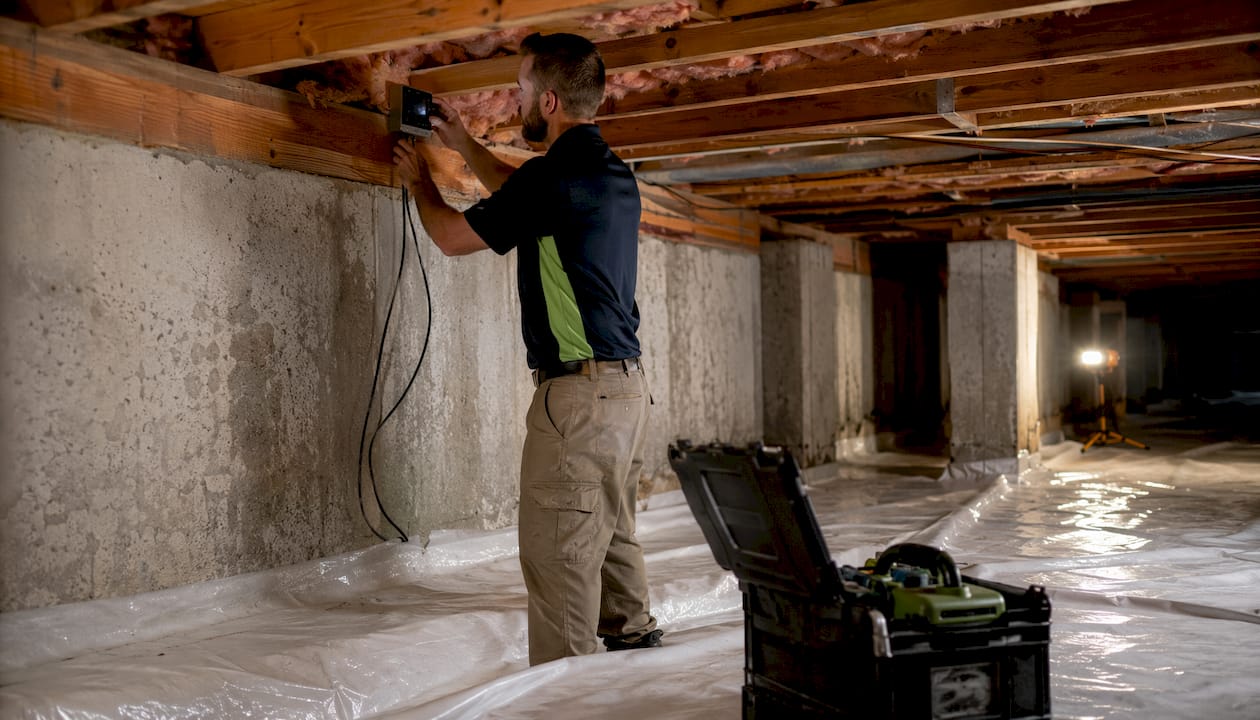
Professional remediation involves more than scrubbing. Certified remediators set up physical containment barriers to isolate the work area, use negative air pressure machines with HEPA filtration to prevent spores from migrating to clean areas, and wear full personal protective equipment. For a detailed look at how negative air pressure protects the rest of your home during cleanup, the process is worth understanding before work begins.
Pro Tip: Before any contractor starts work, ask specifically how they plan to contain the affected area and what air filtration equipment they will use. A professional who cannot answer that question clearly is not following EPA or IICRC standards.
Vulnerable individuals, including anyone with asthma, COPD, immune suppression, or severe allergies, should not be in the home during active remediation. The CDC is explicit that these groups face serious health risks from mold-laden dust disturbed during cleanup.
What actually works: expert best practices for mold remediation and prevention
The single most important factor in successful remediation is fixing the moisture source first. Every other step depends on it. Mold that is removed without addressing the underlying water problem will return, often within weeks.
Best practices that professionals follow, and homeowners should know:
- Dry wet materials promptly after any water intrusion to prevent mold from establishing.
- Remove and discard porous materials (ceiling tiles, carpet, drywall) that have been saturated; cleaning them is rarely sufficient
- Never use fans to dry an area where mold has already started growing, since fans disperse spores broadly and worsen contamination
- Address hidden mold behind walls or under flooring before applying any finishes; cosmetic concealment accelerates structural damage
- Treat every mold species with the same level of caution, regardless of color or perceived toxicity
Statistic callout: The EPA recommends maintaining indoor humidity between 30% and 60% to discourage mold growth. A basic digital hygrometer costs under $20 and gives you a real-time reading. Staying in that range, especially in bathrooms, basements, and laundry areas, is the most practical ongoing prevention measure available to any homeowner. Pairing that habit with a solid dehumidification strategy makes a measurable difference in moisture-prone spaces.
On the question of mold species toxicity: the CDC’s position is that Stachybotrys chartarum should be handled like any other mold. No species gets a pass, and no species requires a uniquely different approach from a remediation standpoint. Treat all indoor mold growth as a problem that needs physical removal and moisture control.
Pro Tip: Remediation is complete when you can no longer see mold and no musty odor remains, not when an air test comes back with a low spore count. The EPA and CDC both point to visual absence and odor elimination as the practical success markers. Air sampling is expensive, results are frequently misinterpreted, and there is no federal standard to compare them against.
For homeowners who want to understand the full scope of what professional remediation involves before picking up the phone, Zerowaterrestoration’s guide on what mold remediation is covers the process from assessment through clearance in plain language.
Zerowaterrestoration handles what most homeowners can’t do safely on their own
Mold problems that go beyond a small surface patch require equipment, training, and containment protocols that no hardware store kit can replicate. Zerowaterrestoration has spent over 10 years handling exactly these situations across Schaumburg, Arlington Heights, Palatine, and the broader northwest suburbs of Chicago.
Their mold remediation services cover the full process: moisture source identification, physical containment, HEPA air filtration, mold removal, and post-remediation verification. They also handle the water damage side of the equation, because mold rarely shows up without an underlying water problem. For homeowners dealing with both at once, having one team manage the full restoration, including water damage restoration and mold remediation together, avoids the gaps that occur when two separate contractors hand off work to each other.
Insurance navigation is part of the service. Zerowaterrestoration works directly with adjusters, handles documentation, and keeps out-of-pocket costs as low as the policy allows. Available 24/7 for emergency response, they can be reached at (847) 515-7000 or at zerowaterrestoration.com for a free inspection and estimate.
Key Takeaways
Mold remediation only works when the moisture source is eliminated first; every other step fails without it.
| Point | Details |
|---|---|
| Moisture control comes first | Cleaning mold without fixing the water source guarantees the problem returns. |
| Bleach is not a reliable solution | The EPA does not recommend bleach as a routine method; dead spores still cause allergic reactions. |
| DIY has a clear size limit | The EPA advises professional help when mold covers more than 10 square feet or involves HVAC systems. |
| Air testing is rarely useful | No federal standards exist for acceptable indoor spore levels; visual inspection and odor detection are more reliable. |
| Zerowaterrestoration | Provides certified mold remediation and water damage restoration across the Chicagoland northwest suburbs, with insurance claim support and 24/7 emergency response. |