
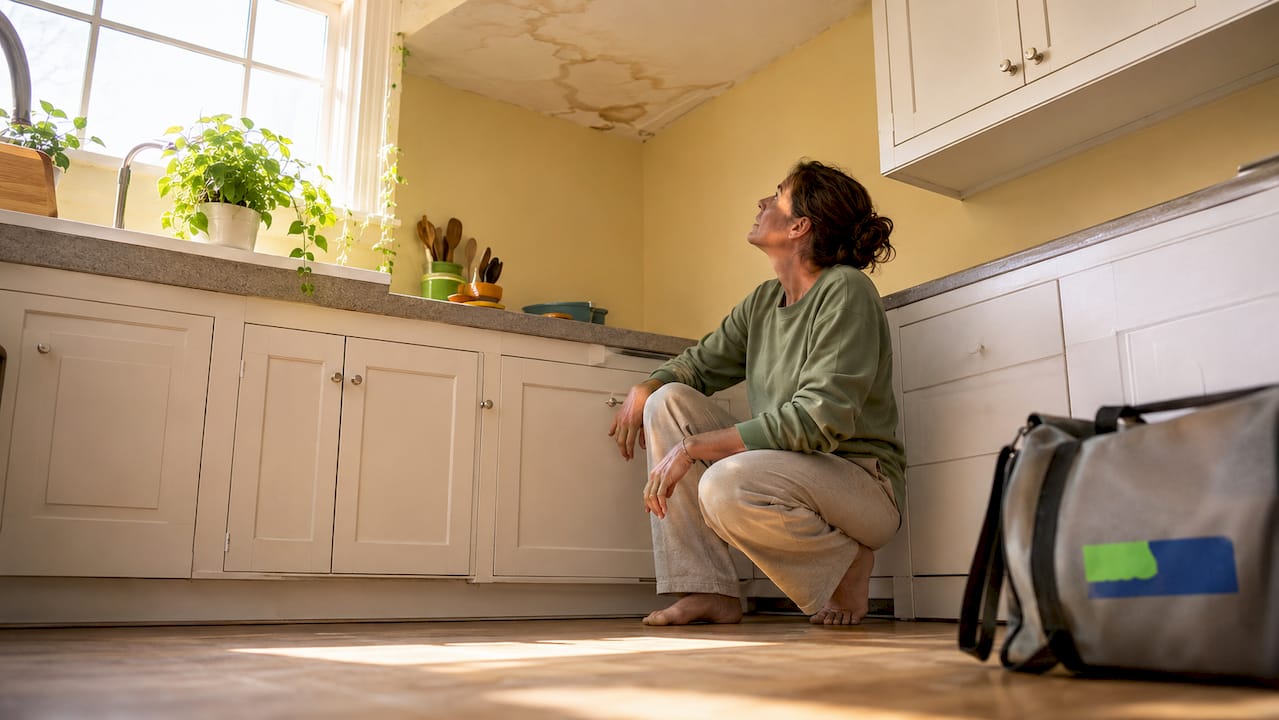
Water damage warning signs are the visible, sensory, and structural clues that tell you moisture is actively destroying your home from the inside out. Hidden household leaks waste nearly 10,000 gallons of water annually, and most homeowners never notice until the damage is severe. One inch of standing water can lead to restoration costs up to $25,000. That number alone makes the case for learning to identify water damage warning signs before a small stain becomes a structural crisis. Mold compounds the problem fast. Mold growth begins within 24–48 hours in water-damaged cavities, turning a fixable moisture problem into a health hazard.
What are the most common visible water damage warning signs?
The easiest water damage indicators to catch are the ones you can see with your eyes. Knowing what to look for turns a routine walk-through into a meaningful inspection.
Stains and discoloration
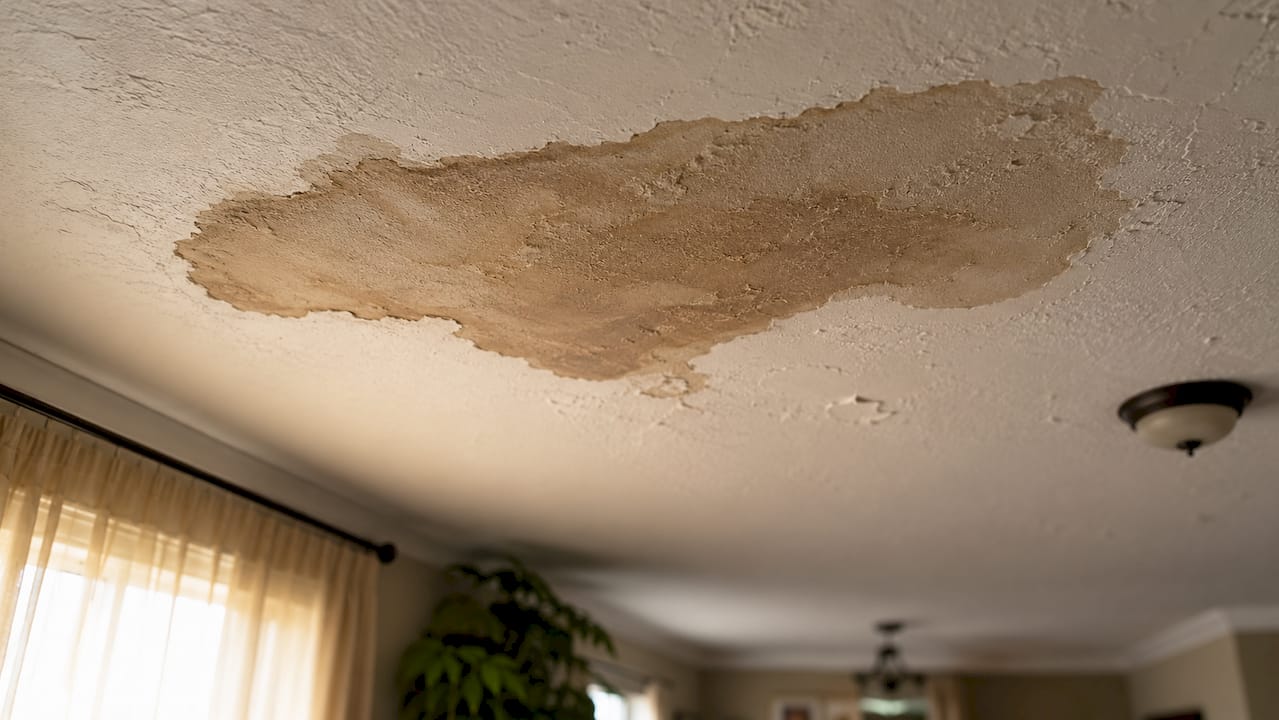
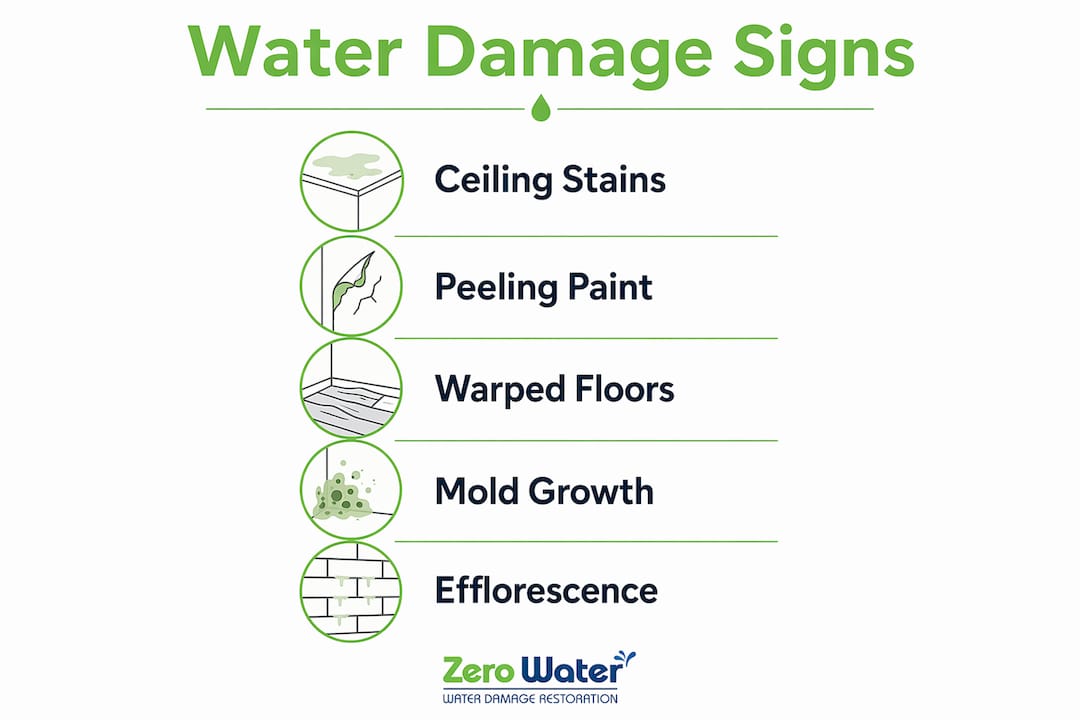
Yellow, brown, or dark ring-shaped stains on ceilings and walls are the most recognized signs of water damage. These stains form when water soaks through a surface, evaporates, and leaves mineral deposits behind. A single stain can indicate a slow roof leak that has been active for months. Multiple overlapping rings signal a recurring or ongoing moisture source.
Paint and wallpaper changes
Peeling, bubbling, or blistering paint is a direct sign that moisture is trapped behind the surface. Wallpaper that lifts at the seams or buckles in the middle tells the same story. These changes happen because water breaks the bond between the coating and the substrate. If you see this pattern near a bathroom, kitchen, or exterior wall, treat it as a water damage symptom until proven otherwise.
Floor and ceiling movement
Warped, sagging, or buckling floors are examples of structural water damage signs that go beyond cosmetic concern. Wood absorbs moisture and swells, which causes planks to cup or bow. A ceiling that sags or feels soft when pressed has likely absorbed significant water weight. Structural damage often develops silently behind walls, and sagging ceilings typically appear only after prolonged internal deterioration.
Efflorescence and mold
Efflorescence is a white, chalky powder that appears on concrete, brick, or masonry surfaces. Efflorescence signals water traveling through masonry foundations, and recognizing it early allows interventions that prevent costly internal damage. Visible mold growth, whether black, green, or gray, confirms active moisture. A musty smell without visible mold is equally serious. Musty odors indicate active mold growth inside structural cavities and require moisture elimination, not just surface cleaning.
Pro Tip: Run your hand along baseboards and the bottom of drywall near exterior walls. Soft or spongy material means moisture has already penetrated the wall cavity, even if the surface looks fine.
How to recognize hidden water damage signs that aren’t immediately visible
Hidden water damage is the type that costs the most. By the time it becomes obvious, the repair bill is already large.
-
Persistent musty odor. A smell that returns after cleaning is not a housekeeping problem. It is a sign that mold is actively growing somewhere inside a wall, floor, or ceiling cavity. Follow the smell to its strongest point and treat that area as the likely moisture source.
-
Unexplained increase in water bills. A sudden spike in your monthly water bill without a change in usage habits points directly to a hidden leak. Even a slow drip behind a wall can waste thousands of gallons before it shows any surface sign.
-
Sounds of dripping or running water. If you hear water moving when no fixture is in use, a pipe is leaking somewhere inside the structure. This is one of the clearest water damage symptoms you can detect without any tools.
-
Sticky or difficult-to-open doors and windows. Diagonal cracks near door frames and sticky doors indicate water-compromised framing and potential structural risk. When wood framing absorbs moisture, it swells and shifts, throwing doors and windows out of alignment.
-
Hairline cracks in walls or ceilings. Fine cracks that spread in a stair-step pattern along drywall joints or masonry often follow the path of internal moisture movement. These cracks are not just cosmetic. They signal that the structure beneath is shifting due to water saturation.
-
Spreading or stair-stepped discoloration. Discoloration that grows over time or spreads diagonally across a wall is a strong indicator of an active internal leak. Static stains are concerning. Growing stains are urgent.
Water damage signs are often progressive and should be viewed collectively to identify active moisture sources early. One sign alone might seem minor. Three or four signs together almost always point to a serious, ongoing problem.
Pro Tip: Check under sinks, around toilet bases, and behind appliances like dishwashers and washing machines every few months. These are the most common locations for slow leaks that stay hidden for years.
What tools can homeowners use to check for hidden water damage?
Surface inspections catch the obvious problems. Detecting hidden moisture requires the right tools and a methodical approach.
| Tool | What it detects | Best used for |
|---|---|---|
| Moisture meter | Moisture content in wood, drywall, and concrete | Confirming wet spots behind walls or under floors |
| Thermal imaging camera | Temperature differences caused by wet materials | Locating hidden leaks without opening walls |
| Moisture mapping | Full-property moisture distribution | Tracking the spread of water through a structure |
| Visual inspection | Surface stains, mold, efflorescence, warping | First-pass identification of obvious damage |
| Professional assessment | Structural integrity and load-bearing safety | Confirming hidden damage and planning remediation |
Thermal imaging and moisture mapping detect internal saturation before visible damage appears, which is critical for structural safety. A moisture meter costs between $20 and $150 and gives homeowners a reliable way to check suspicious areas without cutting into walls. Thermal imaging cameras are more expensive, but many restoration professionals bring them as part of a standard inspection.
Surface inspections alone are often insufficient. Technology like thermal imaging advances early detection and prevents catastrophic structural damage. If you have already spotted two or more visible signs, a professional assessment is the right next step. A trained inspector can identify structural compromise that no handheld tool will reveal. For guidance on protecting your home against water damage, a thorough inspection plan is the foundation.
What steps should you take when you detect water damage warning signs?
Speed matters more than anything else once you spot water damage. Every hour of delay increases the scope of repair.
-
Find and stop the source first. Locate the origin of the moisture before anything else. If a pipe is leaking, shut off the water supply to that fixture or to the whole house. If the source is a roof leak, place buckets and cover the area with a tarp until a roofer can assess it.
-
Document everything before touching it. Take photos and video of all visible damage before you move furniture, dry surfaces, or make any repairs. This documentation is the foundation of a successful insurance claim. Learn more about the water damage insurance claim steps for Illinois homeowners before you call your insurer.
-
Call a restoration professional immediately. Mold spores can actively grow within 24–48 hours even if surfaces seem dry. A professional restoration team has the drying equipment and expertise to stop mold before it takes hold. DIY drying with fans and towels rarely removes enough moisture from wall cavities and subfloors.
-
Request mold testing if the damage is more than 48 hours old. Any moisture event that sat undetected for more than two days carries a high mold risk. A professional mold assessment confirms whether remediation is needed before reconstruction begins.
-
Monitor the repaired area for 30 days. After restoration, check the affected area weekly with a moisture meter. A reading above 15% in wood or 1% in concrete signals that drying is incomplete and mold risk remains.
-
Schedule a full home inspection annually. Regular inspections catch slow leaks and early-stage damage before they become expensive. Pay special attention to the roof, plumbing connections, and foundation walls each year. For a detailed plumbing emergency checklist, having a plan in place before an emergency saves critical time.
Key takeaways
Catching water damage early is the single most effective way to avoid structural failure and five-figure repair bills.
| Point | Details |
|---|---|
| Visible signs come first | Stains, bubbling paint, and warped floors are the earliest surface-level indicators to check. |
| Hidden signs require attention | Musty odors, sticky doors, and rising water bills point to concealed moisture inside walls or floors. |
| Tools extend your reach | Moisture meters and thermal imaging cameras find saturation that eyes alone cannot detect. |
| Act within 24–48 hours | Mold begins growing within 24–48 hours of water exposure, making rapid response non-negotiable. |
| Document before you repair | Photos and video of all damage protect your insurance claim and speed up the restoration process. |
What 10 years of water damage calls taught me about early detection
The homeowners who call us after a minor stain becomes a collapsed ceiling share one thing in common. They waited. They told themselves the stain was old, the smell was just the basement, the sticky door was just humidity. Water damage does not resolve on its own. It progresses.
The most common misconception I see is that visible mold is the threshold for action. By the time mold is visible, it has already been growing inside the wall cavity for days or weeks. The real threshold is the musty smell. That odor is the mold telling you it is already there, even when you cannot see it.
I also see homeowners rely entirely on visual checks and miss serious damage because they never looked behind appliances, under bathroom vanities, or along the base of exterior walls. Combining a sensory check (smell, sound) with a visual check and a moisture meter reading gives you a genuinely complete picture. No single method catches everything.
The cost argument for early action is straightforward. A small leak caught in week one costs hundreds to fix. The same leak found in month six costs tens of thousands. Vigilance is not paranoia. It is the cheapest home maintenance decision you will ever make.
— Jim
Zerowaterrestoration: professional water damage inspection and restoration
Water damage rarely announces itself clearly. When you spot the warning signs, the next call matters.
Zerowaterrestoration serves homeowners and property managers throughout Schaumburg, Arlington Heights, Barrington, Lake Zurich, Streamwood, and the greater Chicagoland area. The team responds 24/7 to emergencies, handles full water damage restoration in Barrington and surrounding communities, and manages the insurance documentation process from start to finish. Services cover water extraction, structural drying, mold remediation, and complete reconstruction. Call (847) 515-7000 or visit zerowaterrestoration.com for a free inspection and estimate.
FAQ
What are the first signs of water damage in a home?
The first signs are typically ceiling or wall stains, peeling paint, and a persistent musty odor. These indicators appear before structural damage becomes visible and should trigger an immediate inspection.
How do I check my home for hidden water damage?
Use a moisture meter on walls, floors, and ceilings near plumbing fixtures and exterior walls. A professional thermal imaging inspection finds saturation inside wall cavities without cutting into drywall.
How fast does mold grow after water damage?
Mold begins growing within 24–48 hours of water exposure, even on surfaces that appear dry. Rapid professional drying within the first day is the most effective way to prevent mold from establishing.
What does efflorescence mean for my foundation?
Efflorescence is a white powdery deposit on masonry that signals water is moving through your foundation. Left untreated, it leads to internal structural decay and increases the risk of basement flooding.
When should I call a professional instead of handling water damage myself?
Call a professional immediately if the damage covers more than a small area, if the moisture source is unknown, or if more than 24 hours have passed since the water event. Hidden moisture and mold risk require equipment and expertise that go beyond DIY methods.