
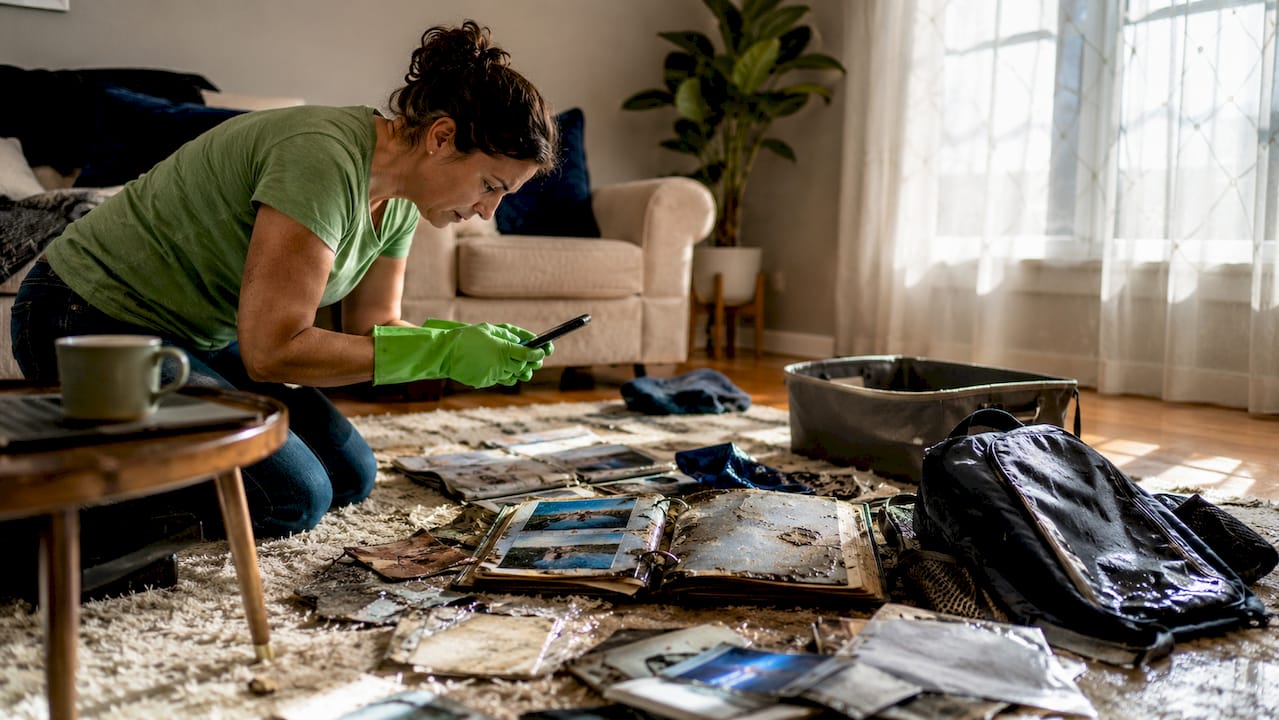
Restoring water damaged personal belongings is the process of cleaning, drying, and preserving items affected by water intrusion before permanent damage sets in. The single most critical fact: mold begins growing within 24 to 48 hours of water exposure. That window defines everything. Whether you are dealing with a burst pipe in Schaumburg, storm flooding in Barrington, or a roof leak in Palatine, the methods you use and how fast you act will determine what you save. This guide covers the essential tools, item-specific techniques, and professional options that give your belongings the best chance of full recovery.
What does restoring water damaged personal belongings actually require?
Effective contents restoration, the industry term for recovering personal property after water damage, starts with two things: an honest assessment of what you are dealing with and a clear plan before you touch anything. Skipping either step is where most homeowners lose items they could have saved.
The first action is documentation. Photograph and video every damaged item before moving or cleaning anything. This record supports your insurance claim and helps restoration professionals prioritize what to treat first. Without it, you are guessing at replacement costs and losing leverage with your adjuster.
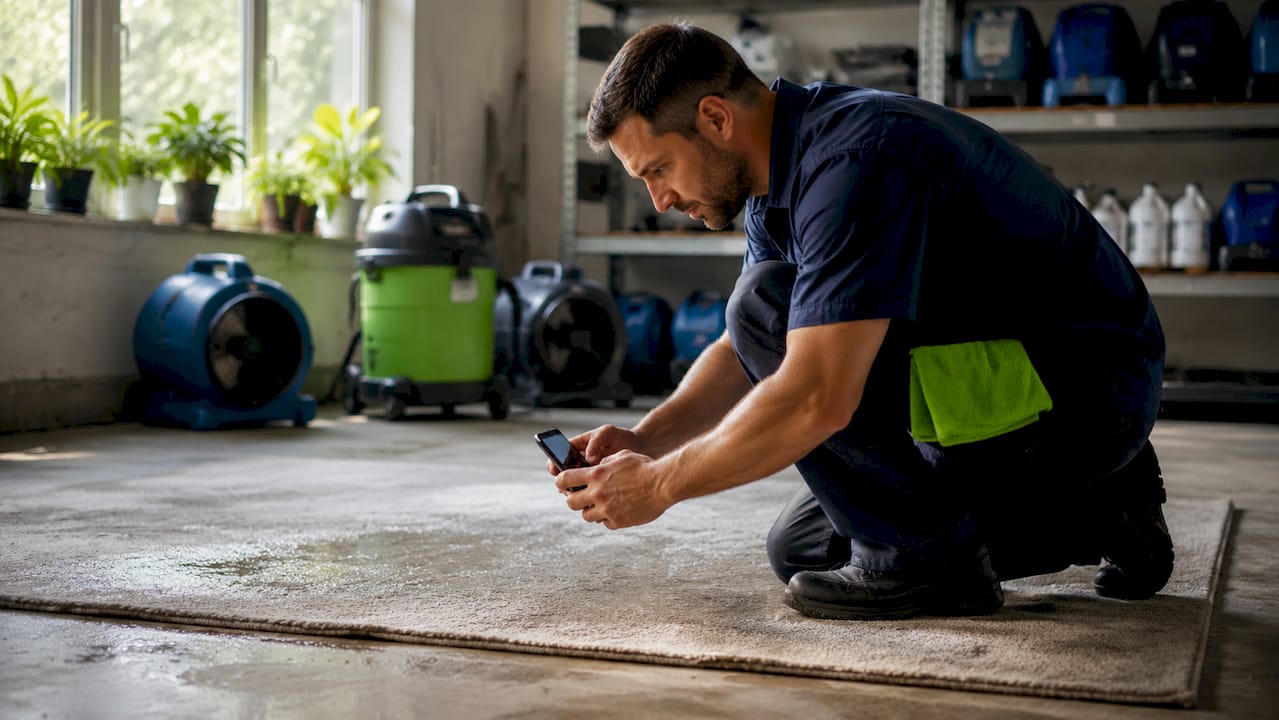
The second factor is water source. Contamination category determines what can be saved and how. Clean water from a broken supply line carries the lowest risk. Gray water from appliances or sinks requires sanitization. Black water from sewage or floodwater is the most dangerous, and items soaked in it often cannot be safely restored. Knowing which category you are dealing with shapes every decision that follows.
What tools and preparations do you need before starting?
The right setup prevents secondary damage and protects your health during the recovery process.
Safety gear and environment:
- Rubber gloves, N95 masks, and eye protection are non-negotiable when handling wet or contaminated items
- Turn off electricity to any affected area before entering; standing water and live circuits are a lethal combination
- Open windows and run fans to increase air circulation immediately
- Set up a dehumidifier to pull moisture from the air; residential units from brands like Frigidaire or hOmeLabs are widely available and effective
Tools for extraction and drying:
- A wet-dry vacuum (such as a Shop-Vac) removes standing water from hard floors and carpets quickly
- Box fans and air movers accelerate surface drying on furniture and textiles
- Plastic sheeting and non-staining foam blocks elevate furniture off wet floors
Segregation by contamination level:
Sort items into three groups before you start cleaning. Clean water items can often be dried in place. Gray water items need sanitizing before drying. Black water items should be bagged, labeled, and assessed by a professional before any handling.
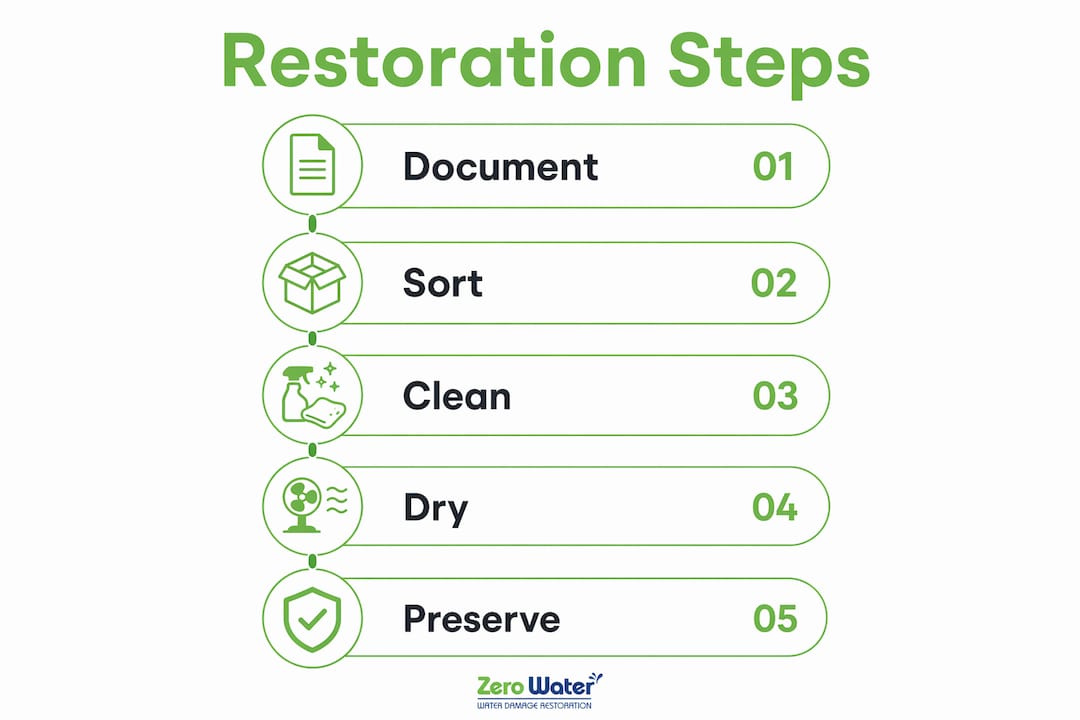
Pro Tip: Place aluminum foil or plastic furniture coasters under table and chair legs immediately. Elevating furniture on non-staining materials stops tannins and rust from leaching into wet carpet and flooring, which is a form of damage most homeowners only notice days later.
How do you restore specific types of wet belongings?
Different materials require different approaches. Using the wrong method on the wrong item causes more damage than the water itself.
-
Hard, non-porous items (glass, metal, plastic). These are your best-case scenario. Non-porous items clean and disinfect well without professional help if you act quickly. Wipe them down with a clean cloth, disinfect with a diluted bleach solution or isopropyl alcohol, and air dry completely before storing.
-
Electronics. Speed is everything here. Electronics need specialized cleaning, such as ultrasonic baths, within 24 to 72 hours to prevent corrosion and data loss. Do not attempt to power on any wet device. Remove batteries immediately, place the item in a dry environment, and contact a professional electronics restoration service. Rice is a myth; it does not draw moisture from circuit boards effectively.
-
Documents and photographs. Wet paper tears instantly. Handle documents by their edges and lay them flat on clean absorbent surfaces to air dry. For irreplaceable photographs, freeze drying is the gold standard. Place photos in clean water to keep them pliable, then deliver them to a professional conservator or freeze them in a zip-lock bag until you can get professional help. Do not stack wet photos; they will bond together permanently.
-
Textiles, clothing, and upholstered furniture. Rinse textiles thoroughly and air dry them away from direct heat. Machine wash clothing on a gentle cycle with a disinfecting detergent as soon as possible. For upholstered furniture, extract as much water as possible with a wet-dry vacuum, then prop cushions upright to allow airflow on all sides. Avoid using a clothes dryer until you are certain the item is clean; heat sets stains and odors permanently.
-
Antiques, artwork, and delicate valuables. These require professional conservation, not DIY methods. Oil paintings, watercolors, and antique wood furniture react unpredictably to moisture and improper drying. Contact the American Institute for Conservation (AIC) or a local conservator for guidance before attempting any cleaning.
Pro Tip: For wet books, interleave every 20 pages or so with plain white paper towels and stand the book upright with pages fanned open. This slows drying enough to prevent warping without the cracking that comes from laying books flat.
What mistakes make water damage worse?
The most damaging errors in water damage recovery are the ones that feel like the right move in the moment.
Avoid these common mistakes:
- Using forced heat. Hair dryers, space heaters, and heat guns feel like logical drying tools. They are not. Forced heat causes wood warping, leather shrinkage, and traps moisture inside porous materials, which accelerates mold growth rather than stopping it.
- Leaving furniture on wet floors. Every hour a wood or upholstered piece sits on a wet surface, it absorbs more water and risks permanent staining and structural rot.
- Waiting to start. Delayed action is the single most common reason homeowners lose items they could have saved. The 24 to 48 hour mold window closes fast, especially in humid Midwest summers.
- Discarding items too quickly. Many items that look destroyed are restorable. Professional pack-out services assess items before writing them off, which matters enormously for insurance reimbursement.
- Mixing contamination categories. Placing black water items near clean water items during drying spreads contamination and can make previously salvageable belongings unsafe.
The most expensive mistake is not calling a professional soon enough. Once mold colonizes porous materials, the cost to remediate and replace far exceeds the cost of a professional pack-out on day one.
When contamination is present or the 48-hour window has passed for porous items, DIY methods are no longer sufficient. At that point, professional mold prevention steps become the priority, not just drying.
When should you call a professional restoration service?
Some situations exceed what any homeowner can handle safely or effectively, and recognizing them early saves money and belongings.
Professional contents restoration often includes a rapid pack-out process within 60 minutes of emergency response. That speed matters because items moved to a climate-controlled facility stop absorbing moisture and begin controlled drying immediately. The difference between 60-minute pack-out and a 6-hour delay can mean the difference between saving a piece of furniture and replacing it.
| Situation | DIY approach | Professional approach |
|---|---|---|
| Clean water, non-porous items | Effective with quick action | Not required |
| Gray water, textiles | Possible with sanitization | Recommended |
| Black water, any item | Not safe | Required |
| Electronics, any water type | Limited; risk of permanent loss | Strongly recommended |
| Antiques, artwork, documents | High risk of further damage | Required |
| Mold present or 48 hours elapsed | Ineffective | Required |
Professionals also bring equipment homeowners cannot access: industrial air movers, desiccant dehumidifiers, ozone chambers for odor removal, and ultrasonic cleaning tanks for electronics and small valuables. These tools produce results that fans and household dehumidifiers simply cannot match.
The insurance dimension matters too. Professional restoration reduces claim costs by preserving items that would otherwise be written off as total losses. Restoration companies like Zerowaterrestoration document every item, communicate directly with adjusters, and provide the paper trail that supports full reimbursement. Understanding how to navigate your insurance claim from the start puts you in a far stronger position.
Pro Tip: Ask your restoration company for an itemized contents inventory before any cleaning begins. This list becomes your insurance documentation and protects you if the adjuster disputes replacement values later.
Key Takeaways
The fastest path to recovering personal belongings after water damage is immediate action, correct drying methods, and professional help when contamination or timing demands it.
| Point | Details |
|---|---|
| Act within 24–48 hours | Mold colonizes porous materials within this window; every hour of delay reduces recovery rates. |
| Document before touching | Photograph and video all damaged items before moving anything to support insurance claims. |
| Match method to material | Non-porous items clean easily; electronics, antiques, and documents need professional treatment. |
| Never use forced heat | Heat warps wood, shrinks leather, and locks moisture inside materials, accelerating mold growth. |
| Call professionals early | Pack-out within 60 minutes of emergency response dramatically improves salvage outcomes. |
What I have learned after years of water damage calls
After more than a decade responding to water damage across Schaumburg, Arlington Heights, and the northwest suburbs, the pattern I see most often is homeowners who waited. Not because they did not care, but because the damage did not look that bad at first. A wet carpet. A few soaked boxes. Some damp furniture. It looked manageable.
By the time the smell started, the mold was already there.
The items I have seen saved most reliably are the ones where someone called within the first few hours and did not try to fix everything themselves first. The homeowners who grabbed a hair dryer, ran it over their wood furniture, and waited a day to call us almost always lost those pieces. The ones who called immediately, kept the area ventilated, and let us handle the pack-out walked away with far more than they expected.
My honest recommendation: document everything, do not apply heat to anything, and treat the 48-hour window as a hard deadline, not a guideline. If you have gray or black water involved, or if you have any doubt about contamination, do not handle those items without protective gear and professional guidance. The restoration timeline is unforgiving, but it rewards people who respect it.
The items that matter most to you, the photos, the heirlooms, the things you cannot replace, deserve a professional assessment before you decide what is lost. Most of the time, more is saveable than you think.
— Jim
Zerowaterrestoration is ready when water damage hits
Water damage to personal belongings does not follow a schedule, and neither does Zerowaterrestoration. The team responds 24/7 across Schaumburg, Barrington, Lake Zurich, Streamwood, and the surrounding northwest suburbs of Chicago.
Zerowaterrestoration handles the full contents restoration process, from rapid pack-out to climate-controlled drying and specialized treatment for electronics, textiles, and delicate valuables. The team also works directly with your insurance provider to document losses and manage the claim, so you are not navigating that process alone. If you are dealing with active water damage right now, professional water damage restoration is one call away. Reach Zerowaterrestoration at (847) 515-7000 or visit zerowaterrestoration.com for a free inspection and estimate.
FAQ
How quickly does mold grow after water damage?
Mold begins developing within 24 to 48 hours of water exposure on organic materials. Starting the drying process immediately is the most effective way to prevent mold colonization.
Can you restore electronics after water damage?
Electronics can often be saved if treated within 24 to 72 hours using specialized methods like ultrasonic cleaning. Never power on a wet device; remove the battery and contact a professional restoration service immediately.
What items cannot be restored after water damage?
Items soaked in black water (sewage-contaminated water) are generally not safely restorable due to health risks. Porous materials like mattresses and particleboard furniture that have been wet for more than 48 hours are also typically beyond recovery.
Does homeowner’s insurance cover personal belongings after water damage?
Most standard homeowner’s policies cover personal property damaged by sudden water events like burst pipes, but coverage varies by policy and cause. Documenting all damaged items with photos and videos before any cleaning strengthens your claim significantly.
What is the difference between DIY drying and professional contents restoration?
DIY drying uses household fans and dehumidifiers, which work for minor clean water damage to non-porous items. Professional contents restoration uses industrial equipment, climate-controlled facilities, and specialized treatments that recover items household methods cannot, particularly electronics, documents, and contaminated materials.