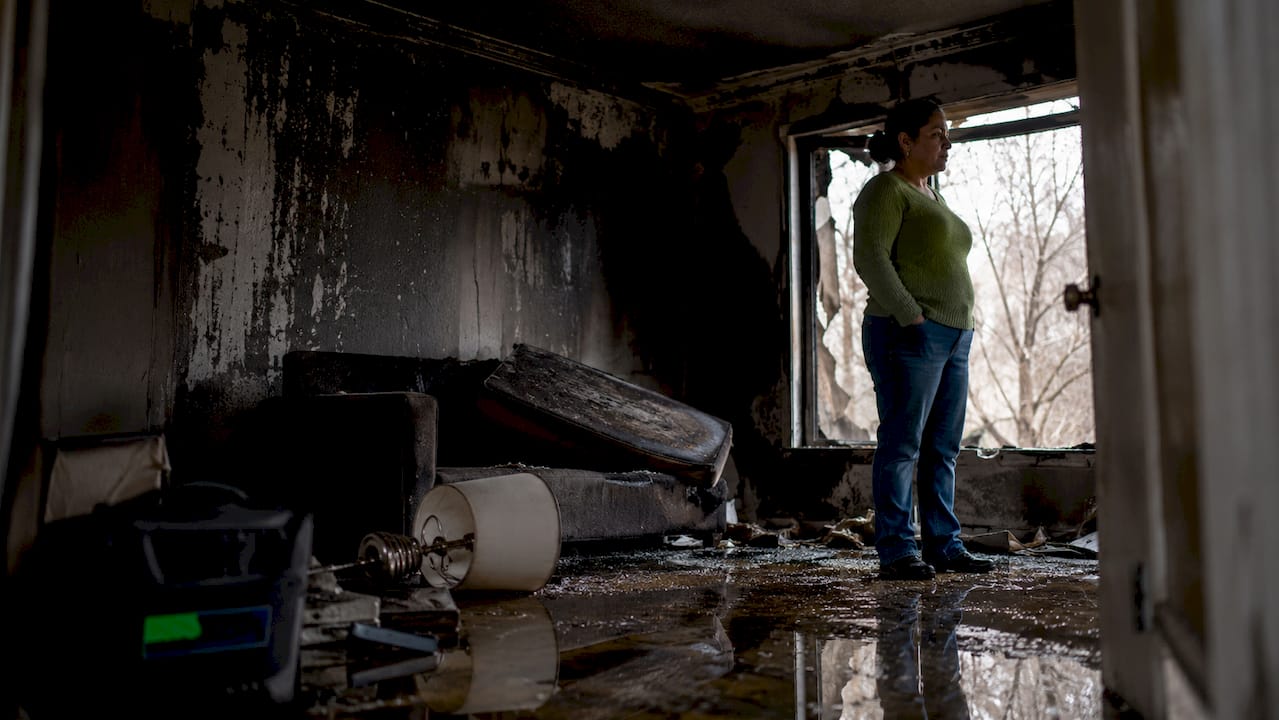
Smoke and water damage combined is defined as the simultaneous destruction caused by fire-generated smoke residues and the water introduced during firefighting efforts, often inflicting more widespread harm than fire alone. Most homeowners focus on the flames, but the real complexity comes from two forces working together: acidic soot embedding into every porous surface and hundreds to thousands of gallons of contaminated water flooding the structure. This dual emergency, known in the restoration industry as combined fire and water damage, demands a coordinated response. Standard cleanup methods fail here. Understanding what you are dealing with is the first step toward recovering your home.
What is smoke and water damage combined, and why does it matter?
Combined fire and water damage is a dual emergency where smoke residues and firefighting water attack your property at the same time, through different pathways, causing damage that compounds quickly. The industry term for this scenario is “combined peril loss,” and it requires integrated restoration rather than two separate cleanup jobs run back to back.
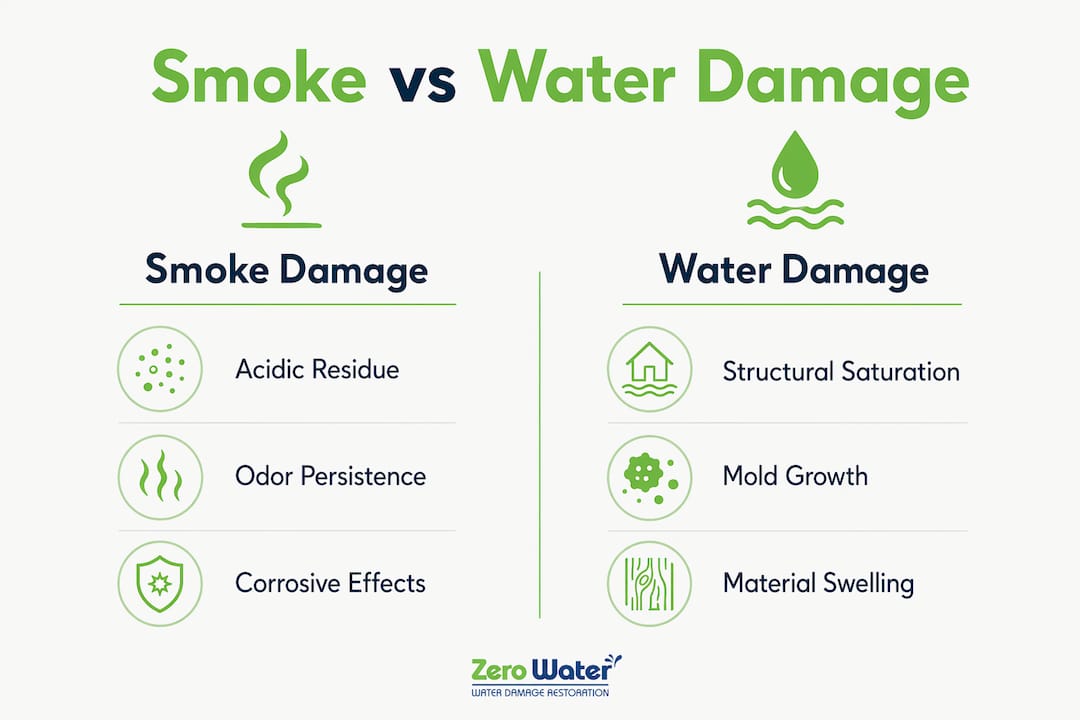
Smoke is not just visible soot. It is a complex mixture of acidic particles, volatile organic compounds (VOCs), and fine chemicals that penetrate drywall, wood, insulation, and fabric within minutes of a fire. That chemical load does not stop moving when the fire is out. It continues to corrode, stain, and off-gas for weeks if left untreated.
Water enters the picture through firefighting suppression. A small kitchen fire can result in thousands of gallons flooding a structure, and that water carries the smoke residue with it into every cavity, floor assembly, and wall system it reaches. The result is a contamination footprint far larger than the fire zone itself.
Insurance coverage typically handles both under a single fire loss claim, which is one of the few pieces of good news in this situation. The bad news is that the restoration process is significantly more complex than either smoke damage restoration or water damage remediation handled separately.
How does smoke damage affect your home after a fire?
Smoke damage affects your home through chemical penetration, not just surface staining. The acidic particles in smoke bond to porous materials like drywall, wood framing, carpet, and upholstery within the first hour after a fire. Once bonded, they begin breaking down the material itself.
The pathways smoke travels are often invisible. HVAC systems pull smoke particles through ductwork and deposit them in rooms far from the fire. Wall cavities and ceiling assemblies trap soot where no standard cleaning tool can reach. This is why a fire in one room can leave odor problems throughout an entire floor.
- Corrosion: Smoke acids attack metal surfaces, including appliances, plumbing fixtures, and electrical components, within hours.
- Staining: Yellow and brown residues appear on walls, ceilings, and fabrics, often worsening over time without treatment.
- Odor: Smoke particles embed in porous materials and continue releasing VOCs long after visible soot is removed.
- Health risks: Residual smoke chemicals irritate the respiratory system and can trigger long-term health effects, particularly for children and older adults.
- HVAC contamination: Ducts distribute smoke residue to unaffected rooms, expanding the scope of smoke damage restoration needed.
Pro Tip: Never run your HVAC system after a fire before having the ducts professionally inspected. Running the system spreads soot to every room connected to the ductwork.
Smoke odor removal is the hardest part of smoke damage restoration. Surface cleaning removes visible soot, but odor requires neutralizing the chemical compounds embedded deep in materials. Thermal fogging and hydroxyl generators are two professional methods used to reach those depths.
How does firefighting water cause damage beyond the fire itself?
Firefighting water causes structural and contamination damage that frequently exceeds the fire damage itself. Firefighters introduce hundreds to thousands of gallons of water rapidly during suppression, and that volume saturates wall assemblies, subfloors, and insulation in minutes.
The water is not clean. Firefighting water is classified as Category 3 black water because it mixes with soot, ash, fire suppressant chemicals, and building debris. Category 3 water carries contaminants that require professional handling, not standard wet vacuuming or consumer-grade drying equipment.
Most homeowners underestimate this contamination level. The water penetrates deeper than it appears on the surface, saturating insulation batts, soaking into concrete slabs, and wicking up wall framing. This hidden moisture is where the secondary damage begins.
- Mold growth: Mold can develop within 24–48 hours of water exposure if moisture is not controlled. That window is tight, especially when emergency response is delayed.
- Structural weakening: Prolonged saturation softens wood framing, causes drywall to fail, and can compromise load-bearing assemblies.
- Electrical hazards: Water in wall cavities reaches wiring and junction boxes, creating shock and fire risks during cleanup.
- Expanded contamination: Water spreads smoke residue deep into cavities and flooring beyond fire-damaged rooms, widening the restoration scope significantly.
The 24–48 hour mold window is the most critical fact in fire water damage restoration. Every hour of delay increases both the contamination risk and the total restoration cost. Understanding the unknown risks of water damage helps homeowners grasp why speed matters so much here.
Why is combined damage harder to restore than each type alone?
Combined smoke and water damage is harder to restore because the two damage types interact in ways that make each one worse. Water drives acidic soot deeper into materials, requiring specialized cleaning and odor neutralization methods that go beyond what either smoke or water remediation alone would use.
The sequencing of restoration work is where most errors happen. Drying a structure before removing soot smears the residue permanently into surfaces and traps odors inside the material. Incorrect sequencing causes permanent staining and odors that are nearly impossible to remove afterward. Soot removal must come first, then controlled drying.
Smoke acids and VOCs accelerate corrosion on metal and electronic components when combined with water. This means appliances, wiring, plumbing fixtures, and HVAC components face irreversible damage if the combined exposure is not addressed within the first 24–48 hours. Delayed action turns repairable items into replacements.
Pro Tip: Document every affected room with photos and video before any cleanup begins. This record is critical for your insurance claim and helps restoration professionals assess the full contamination footprint.
The contamination footprint of combined damage is also larger than either type alone. Water carries smoke residue into rooms that never saw fire or heavy smoke directly. A fire in the kitchen can result in soot-contaminated water in the basement, behind finished walls on the opposite side of the house, and inside floor assemblies throughout the structure. The fire damage repair process must account for this expanded zone from the start.
What does insurance cover for combined smoke and water damage?
Standard homeowners insurance policies cover both fire damage and firefighting water damage under a single fire loss claim. No separate deductible applies for the water damage caused by suppression efforts. The fire peril covers the full event, including the water used to extinguish it.
Knowing how to document and file the claim correctly makes a significant difference in the outcome. Follow these steps to protect your coverage:
- Call your insurer immediately. Report the loss the same day as the fire. Delays can complicate coverage determinations.
- Do not discard anything. Damaged contents must be inventoried before disposal. Throwing items away before documentation can reduce your settlement.
- Hire a licensed restoration company before repairs begin. Insurers require professional assessments. DIY repairs without documentation can void portions of your claim.
- Request additional living expenses (ALE) coverage. If the home is uninhabitable, your policy likely covers temporary housing, meals, and related costs.
- Keep all receipts. Every expense related to the loss, including hotel stays, meals, and emergency board-up services, should be documented and submitted.
Working with a restoration company experienced in insurance claim steps for fire and water events reduces the administrative burden significantly. Restoration professionals who communicate directly with adjusters help prevent underpayment and speed up approvals.
Practical steps to address combined smoke and water damage
The most effective first action is calling a professional restoration company with specific experience in combined fire and water damage. General contractors and standard cleaning services lack the equipment and sequencing knowledge needed for this type of loss. The restoration project phases for combined damage follow a strict order that cannot be improvised.
- Step 1: Safety assessment. Do not re-enter the structure until fire officials and a restoration professional confirm it is structurally safe and electrically de-energized.
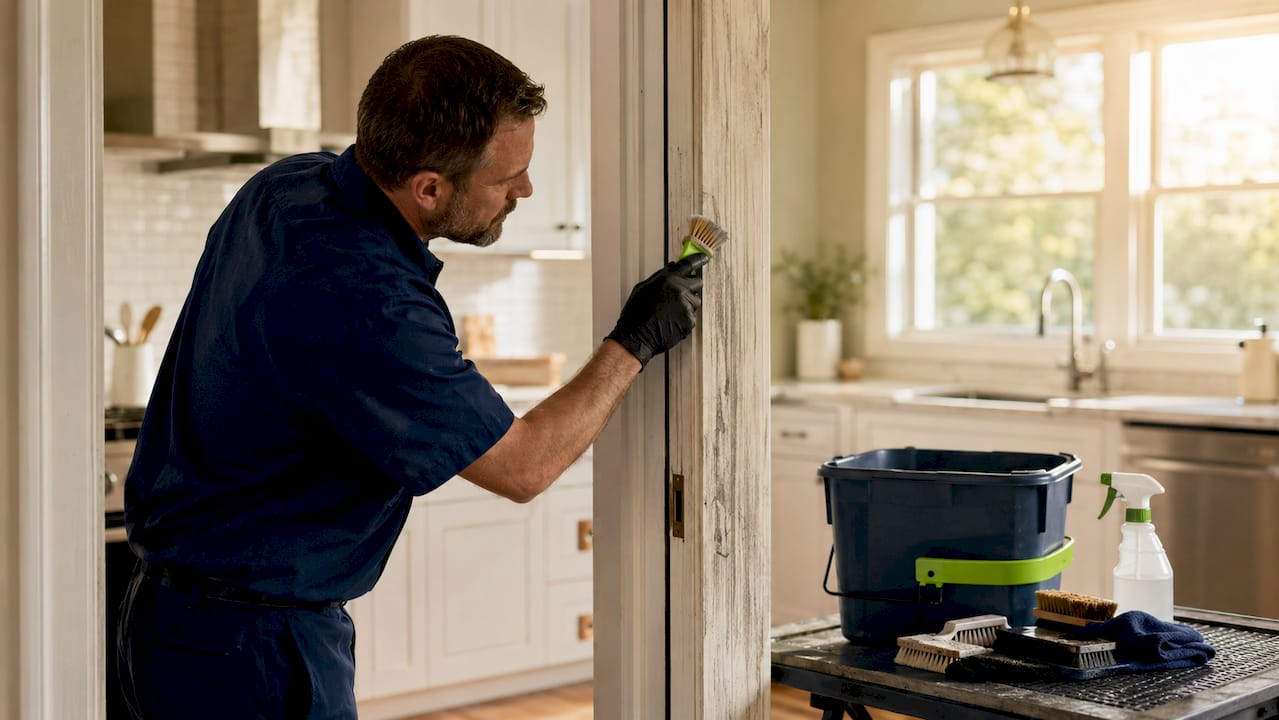
- Step 2: Soot removal first. Dry soot removal using HEPA vacuums and chemical sponges must happen before any water is introduced for cleaning or before drying equipment runs.
- Step 3: Water extraction. Industrial extractors remove standing water and saturated materials. This step uses truck-mounted or portable extraction units, not consumer wet-vacs.
- Step 4: Structural drying. Commercial dehumidifiers and air movers dry wall cavities, subfloors, and framing to IICRC S500 moisture standards.
- Step 5: HVAC cleaning. Duct systems must be professionally cleaned to remove soot deposits before the system is used again.
- Step 6: Odor neutralization. Thermal fogging, ozone treatment, or hydroxyl generation neutralizes embedded smoke odors in materials that cannot be removed.
- Step 7: Mold prevention monitoring. Moisture readings are taken daily during drying to catch any areas at risk for mold growth before it starts.
Pro Tip: Ask your restoration company for daily moisture logs. These readings prove to your insurer that drying was completed to professional standards, which protects you if mold appears later.
For contaminated water situations, understanding how emergency sewage and contaminated water cleanup works gives homeowners a clearer picture of the professional protocols involved. Category 3 water from firefighting requires the same level of care as sewage-contaminated water.
Key Takeaways
Combined smoke and water damage requires integrated, sequenced restoration because the two damage types interact to cause greater harm than either would alone.
| Point | Details |
|---|---|
| Dual damage compounds quickly | Water drives acidic soot deeper into materials, expanding contamination beyond the visible fire zone. |
| Mold window is 24–48 hours | Moisture must be controlled within two days of the fire to prevent mold and added restoration costs. |
| Sequencing is non-negotiable | Soot removal must happen before drying; reversing the order causes permanent staining and trapped odors. |
| Insurance covers both under one claim | Standard fire loss claims cover firefighting water damage with no separate deductible. |
| Professional response is required | Category 3 firefighting water and embedded smoke acids require licensed equipment and trained technicians. |
What I’ve learned from watching homeowners face this twice
The part that surprises most people is not the fire. It is the water. I have seen homeowners walk into a property after a kitchen fire expecting to deal with a burned cabinet and a smoky smell, and instead find soaked drywall in three rooms, saturated insulation in the ceiling below the bathroom, and a basement with standing water. The fire was small. The water damage was not.
The emotional and mental strain from combined fire and water damage events can last years. That is not an exaggeration. Homeowners who thought they were weeks away from moving back in discover mold behind newly installed drywall because the structure was not dried to standard before reconstruction began. That setback, both financial and emotional, is almost always preventable.
The most common mistake I see is hiring a general contractor to handle what is actually a specialized restoration job. Combined damage requires IICRC-certified technicians who understand moisture science, smoke chemistry, and the specific order of operations. A contractor who skips soot removal before drying, or who fails to clean the HVAC system, creates problems that show up months later.
The second mistake is waiting. Every hour between the fire and the start of professional extraction increases the contamination depth and the mold risk. The 24–48 hour mold window is real, and it closes fast.
— Jim
Zerowaterrestoration handles combined smoke and water damage in Chicagoland
When a fire leaves your home dealing with both smoke residue and water saturation, the response needs to be fast and coordinated.
Zerowaterrestoration is available 24/7 for emergency response throughout the northwest suburbs of Chicago, including Schaumburg, Barrington, Arlington Heights, Palatine, and surrounding communities. The team handles the full scope of combined damage: soot removal, water damage restoration in Barrington and across the region, structural drying, mold remediation, and complete reconstruction. Zerowaterrestoration also works directly with your insurance adjuster to manage documentation and keep out-of-pocket costs as low as possible. Call (847) 515-7000 for a free inspection.
FAQ
What is combined smoke and water damage?
Combined smoke and water damage is the simultaneous destruction caused by fire-generated smoke residues and firefighting water, which together create a more complex restoration problem than either type alone.
Does homeowners insurance cover firefighting water damage?
Standard homeowners policies cover firefighting water damage under the fire loss claim, with no separate deductible required for the water portion of the damage.
How quickly does mold develop after a fire?
Mold can develop within 24–48 hours of water exposure. Controlling moisture immediately after firefighting water enters a structure is critical to preventing mold growth.
Why must soot be removed before drying begins?
Drying before soot removal smears residue permanently into surfaces and traps odors inside materials, making them significantly harder or impossible to remove afterward.
Is firefighting water safe to handle without protection?
Firefighting water is classified as Category 3 black water because it contains soot, ash, and chemical contaminants. It requires professional handling with appropriate protective equipment and specialized extraction methods.