

Dehumidification is defined as the mechanical process of removing excess moisture from indoor air to keep relative humidity within a range that prevents mold growth. The role of dehumidification in mold prevention is direct: indoor humidity below 60% creates conditions where mold spores cannot germinate, while humidity above that threshold gives mold everything it needs to colonize walls, floors, and ceilings. EPA guidance sets the ideal range at 30–50% for both comfort and safety. Whether you manage a single-family home in Schaumburg or a commercial property in Arlington Heights, moisture control is the single most effective mold prevention technique available. Acting fast after any water intrusion, specifically within 24–48 hours, is the difference between a dry-out job and a full mold remediation.
What are the humidity thresholds that trigger mold growth?
Mold does not need much to get started. The critical number is 60% relative humidity. Above that threshold, dormant mold spores activate and begin colonizing any organic surface they land on, including drywall, wood framing, carpet padding, and insulation. The EPA and ASHRAE both identify 30–50% as the target range for healthy indoor air.
The table below shows how humidity levels map to mold risk:
| Relative Humidity | Mold Risk Level | Recommended Action |
|---|---|---|
| Below 30% | Minimal | Monitor; avoid over-drying in winter |
| 30–50% | Safe | Maintain with dehumidifier or HVAC |
| 51–60% | Elevated | Increase dehumidification immediately |
| Above 60% | High | Address moisture source; dry within 24–48 hours |
| Above 70% | Severe | Professional remediation likely needed |
A hygrometer is the tool you use to track these numbers in real time. Portable hygrometers cost $10–$50 and give you an accurate reading of relative humidity in any room. That is a small investment compared to the cost of mold remediation. Place one in your basement, one in any crawl space, and one in your main living area for a complete picture.
Wood moisture content is a separate but related metric. Wood moisture above 20% signals a problem that air humidity readings alone will not catch. This matters in framed walls and subfloors where moisture hides long before it becomes visible.
Controlling humidity also delivers benefits beyond mold. Keeping humidity below 60% inhibits dust mites and bacteria, reducing the overall biological load in your indoor air. That means fewer allergens and a healthier environment for everyone in the building.
How do dehumidifiers work and what are the best practices for using them?
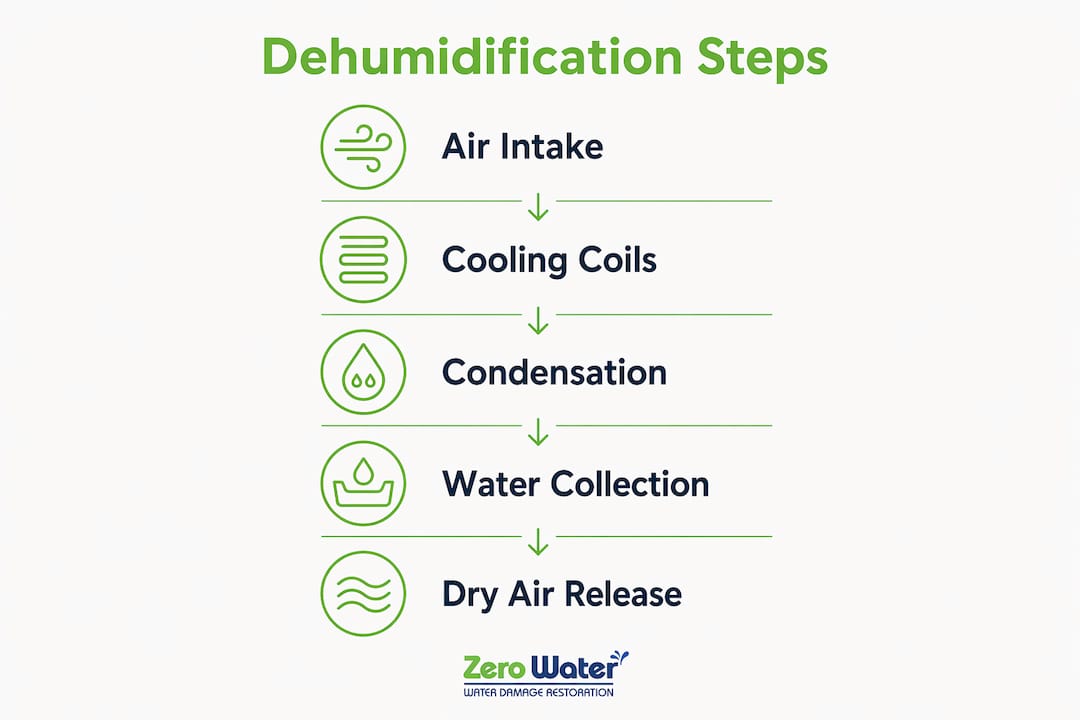
A dehumidifier pulls warm, humid air across a set of cold coils. Moisture condenses on those coils, drips into a collection tank or drain line, and dry air returns to the room. The result is a measurable drop in relative humidity. Dehumidification is an essential control method in tightly sealed modern buildings where passive ventilation cannot keep up with moisture generated by occupants, cooking, and bathing.
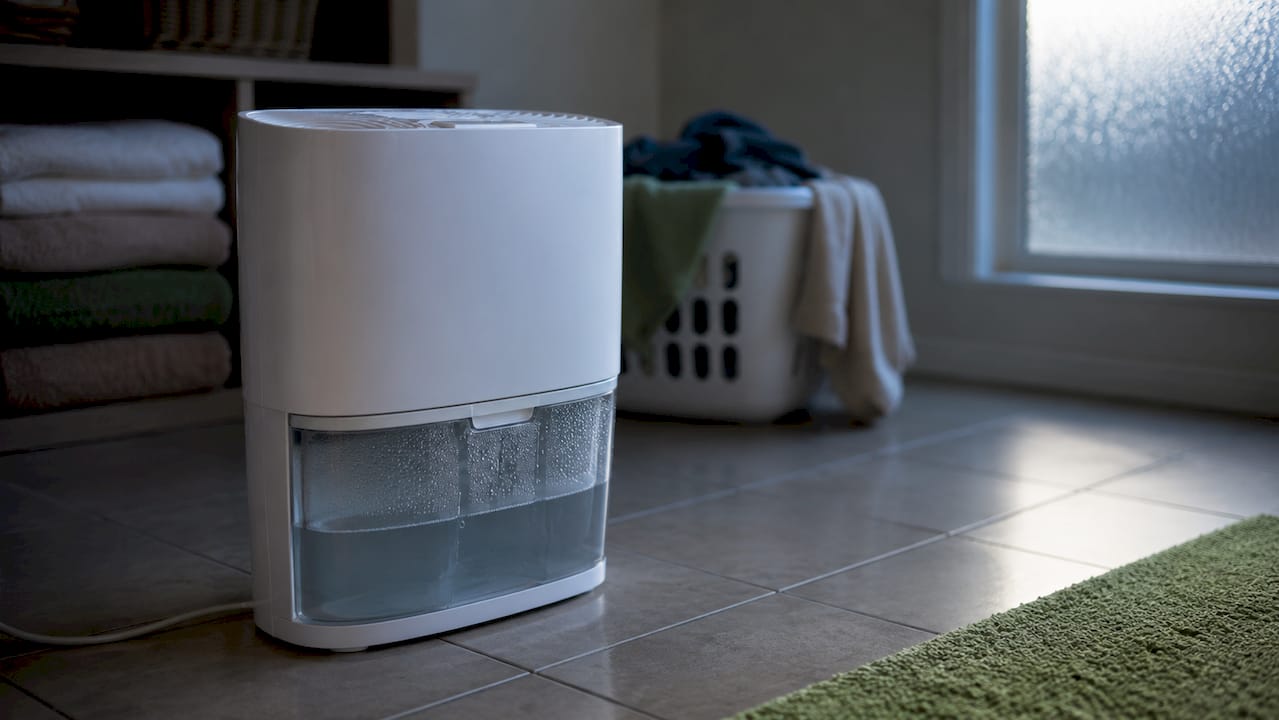
There are two main categories: portable units and whole-house systems. Portable dehumidifiers work well for targeted problem areas like basements and bathrooms. Whole-house units integrate with your HVAC system and manage humidity across the entire property from a single control point. For property managers overseeing larger commercial spaces, whole-house or commercial-grade units are the practical choice.
Proper sizing is not optional. Undersized units run constantly without reaching the target humidity, while oversized units short-cycle and leave humidity uneven throughout the space. Both scenarios waste energy and leave you with inadequate mold control. Match the unit’s capacity in pints per day to the square footage and typical moisture load of the space.
Key placement and operational practices include:
- Basements and crawl spaces: These are the highest-risk zones in most homes. Run a dehumidifier continuously during humid months, typically may through september in the Chicagoland area.
- Bathrooms: Use exhaust fans during and after showers, and add a small dehumidifier if the space stays humid for more than an hour after use.
- Humidistat integration: Dehumidifiers without humidistats run inefficiently. Choose a unit with a built-in humidistat or add an external one so the unit cycles on only when humidity rises above your set point.
- Drain line setup: Empty collection tanks daily or connect a drain line to eliminate the need for manual emptying. A full tank shuts the unit off and leaves humidity uncontrolled.
- Filter cleaning: Clean or replace filters every two to four weeks during heavy use. A clogged filter reduces airflow and drops efficiency significantly.
Pro Tip: Set your humidistat to 45% rather than 50%. That five-point buffer accounts for measurement variance in consumer-grade sensors and keeps you safely below the 60% mold threshold even on the most humid days.
What are the common misconceptions about dehumidification for mold control?
The biggest misconception homeowners carry is that a dehumidifier removes existing mold. It does not. A dehumidifier controls ambient air moisture. It does not kill mold colonies already growing on surfaces, and it does not remove the spores embedded in porous materials like drywall or carpet.
Mold prevention relies on moisture control, not chemical cleaning. Biocides like bleach are ineffective on porous surfaces and can be hazardous. Physical removal of contaminated materials is the only reliable remediation method for porous substrates. The EPA is explicit on this point: cleaning hard surfaces with detergent and water works, but porous materials that are moldy must come out.
A second common error is treating dehumidification as a substitute for fixing the actual water source. A dehumidifier running in a basement with an active foundation crack will fight a losing battle. Cold surfaces below the dew point cause condensation and mold growth even when the ambient air humidity reads within the safe range. This is why pipes, exterior walls, and window frames are frequent mold sites even in otherwise well-managed properties.
Three limits of dehumidification that every homeowner should understand:
- It does not fix leaks. Roof leaks, plumbing failures, and foundation water intrusion require physical repair before dehumidification can be effective.
- It does not reach hidden cavities. Moisture inside wall assemblies, under flooring, or in ceiling voids requires targeted drying equipment, not just a portable unit in the room.
- It does not replace ventilation. Dehumidification works best alongside proper exhaust ventilation in kitchens and bathrooms, not as a standalone fix.
Understanding these limits protects you from a false sense of security. You can learn more about what happens when water damage goes unaddressed in this guide on mold after flooding.
How to build an effective mold prevention strategy around dehumidification
Dehumidification for mold control works best as part of a layered approach. No single tool covers every moisture pathway. The steps below give you a practical framework for homeowners and property managers to follow.
- Install hygrometers in every high-risk zone. Place them in the basement, crawl space, bathrooms, and any room with a history of moisture problems. Check readings weekly and log them so you can spot trends.
- Set your dehumidifier to maintain 45–50% relative humidity. Adjust the set point seasonally. Winter air is naturally drier, so you may not need the unit running at full capacity from november through february.
- Inspect for moisture sources monthly. Check under sinks, around water heaters, along basement walls, and at window frames. A slow drip or hairline crack in a foundation wall can raise localized humidity faster than any dehumidifier can compensate.
- Dry any water intrusion within 24–48 hours. Rapid drying combined with dehumidification and ventilation prevents mold from taking hold. Remove standing water first, then run fans and dehumidifiers together to pull moisture out of building materials. Read the full breakdown on how to prevent mold after a water leak for a step-by-step approach.
- Combine dehumidification with exhaust ventilation. Run bathroom fans for at least 20 minutes after showers. Use range hoods while cooking. These actions reduce the moisture load your dehumidifier has to handle.
- Call a professional when humidity stays elevated despite your efforts. Persistent high humidity after corrective action usually signals a hidden moisture source that requires professional detection and repair.
Pro Tip: Use a moisture meter directly on wood framing, subfloor panels, and drywall in problem areas. A reading above 20% on wood means the material is wet enough to support mold growth, even if your hygrometer shows acceptable air humidity.
Key Takeaways
Dehumidification prevents mold by keeping indoor relative humidity below 60%, the threshold at which mold spores activate, and works best when combined with fast drying, ventilation, and repair of moisture sources.
| Point | Details |
|---|---|
| Target humidity range | Keep indoor relative humidity at 30–50% to prevent mold and inhibit dust mites and bacteria. |
| The 24–48 hour rule | Dry any wet surface within 24–48 hours after water intrusion to stop mold before it starts. |
| Humidistat use | Choose dehumidifiers with built-in humidistats to avoid inefficient cycling and uneven humidity control. |
| Dehumidifiers have limits | They control air moisture but do not remove existing mold or fix leaks, cracks, or hidden wet cavities. |
| Layer your approach | Combine dehumidification with hygrometer monitoring, exhaust ventilation, and prompt repair of water sources. |
What I’ve learned after years of watching dehumidifiers fail homeowners
After more than a decade responding to mold calls across the northwest suburbs of Chicago, I can tell you the pattern is almost always the same. A homeowner buys a dehumidifier after noticing a musty smell, plugs it in, and assumes the problem is solved. Six months later, we show up to find mold behind the drywall because the unit was undersized, the tank had been full for weeks, or there was a slow leak feeding moisture faster than the machine could pull it out.
Dehumidification is a critical part of mold prevention. I would never say otherwise. But it is a mitigation tool, not a cure. The homeowners who avoid mold problems long-term are the ones who treat their dehumidifier as one layer of a system, not the whole system. They check their hygrometer readings regularly. They fix the dripping pipe under the sink the same week they notice it. They call for a professional inspection when something does not add up.
The other thing I see constantly is people reaching for bleach when they spot mold on a wall. Bleach does not penetrate porous materials. It removes the surface color of mold but leaves the root structure and spores intact. Physical removal is the only method that works on drywall, wood, or carpet. If you are dealing with visible mold growth, a dehumidifier and a bottle of bleach are not the answer. A proper mold remediation process is.
The properties that stay mold-free are the ones where the owner treats moisture management as ongoing maintenance, not a one-time fix.
— Jim
When professional moisture control makes the difference
Persistent humidity problems and water damage events call for more than a portable dehumidifier from a hardware store.
Zerowaterrestoration has spent over 10 years helping homeowners and property managers across Schaumburg, Barrington, Lake Zurich, and the greater Chicagoland area get moisture under control before mold takes hold. The team deploys commercial-grade drying and dehumidification equipment, identifies hidden moisture sources, and handles the full scope of mold remediation services when growth is already present. For properties in Barrington dealing with water damage, the water damage restoration team is available 24/7. Call (847) 515-7000 or visit zerowaterrestoration.com for a free inspection and estimate.
FAQ
What humidity level prevents mold growth?
Indoor relative humidity below 60% prevents mold growth, with 30–50% being the EPA-recommended ideal range for both safety and comfort.
How does dehumidification prevent mold?
A dehumidifier removes moisture from the air, keeping relative humidity below the 60% threshold where mold spores activate and begin colonizing surfaces.
Can a dehumidifier remove existing mold?
No. A dehumidifier controls air humidity but does not kill or remove mold already growing on surfaces. Existing mold requires physical removal by a qualified remediation professional.
How quickly does mold grow after water damage?
Mold can begin colonizing wet surfaces within 24–48 hours of water intrusion. Drying affected areas within that window is the most effective way to prevent mold development.
Where should I place a dehumidifier in my home?
Basements, crawl spaces, and bathrooms are the highest-priority locations. These areas accumulate moisture fastest and have the least natural ventilation to compensate.