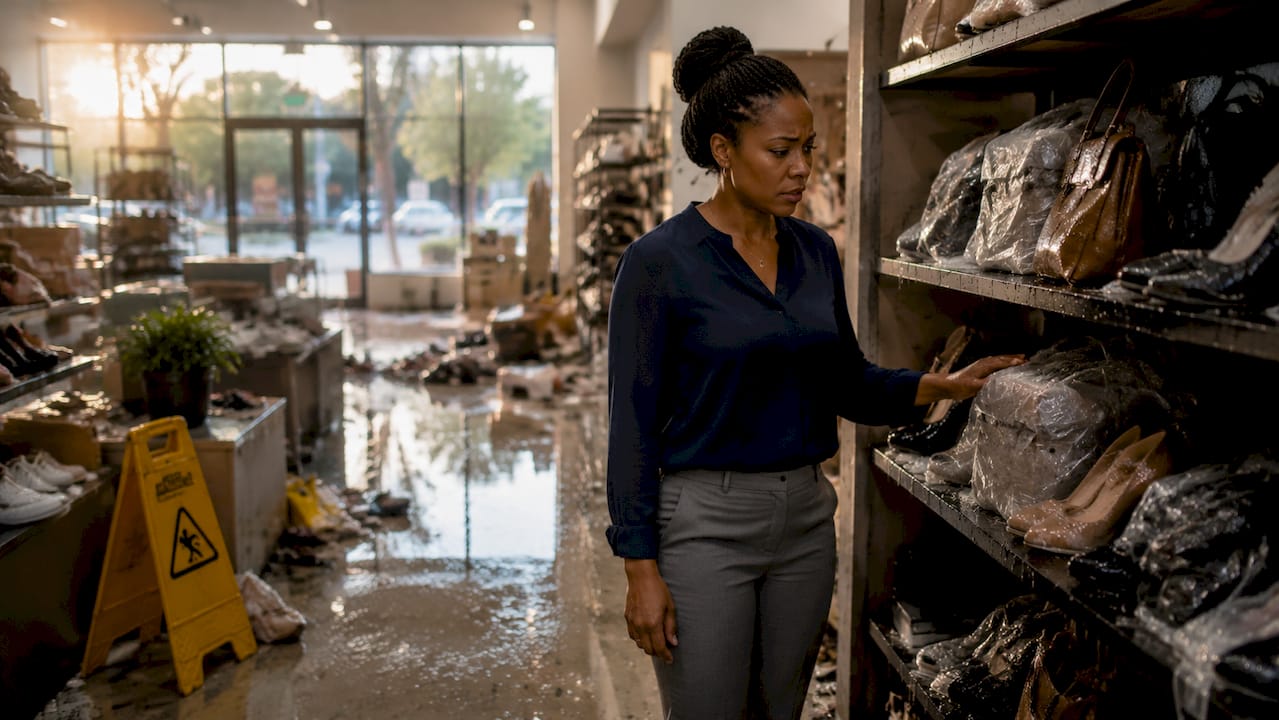
Water damage is the leading cause of unplanned commercial shutdowns, forcing businesses into immediate revenue loss, asset destruction, and costly operational paralysis. Understanding how water damage disrupts business operations goes beyond the visible flooding. It triggers a chain reaction: physical damage to infrastructure, employee displacement, insurance complications, and long-term reputational harm. The industry term for managing this chain reaction is commercial water damage restoration, a specialized discipline distinct from residential repair. This guide covers the direct financial impacts, professional recovery strategies, prevention planning, and insurance coordination that every business owner needs to know before disaster strikes.
How water damage disrupts business operations directly
Water damage stops a business the moment it occurs. A burst pipe, roof leak, or storm flood forces partial or full shutdown, cutting off revenue while fixed costs like rent, payroll, and utilities continue accumulating. A 10-day closure in a restaurant generating $15,000 per week produces $21,000 in lost revenue, before a single repair bill arrives. That figure does not include equipment replacement, inventory loss, or the cost of temporary relocation.
Physical damage compounds the financial hit. Water intrudes into electrical systems, HVAC units, server rooms, and product inventory simultaneously. Even one inch of water can cause structural damage severe enough to trigger a full operational shutdown. This is not a worst-case scenario. It is the standard outcome when water reaches subfloor materials, insulation, or load-bearing walls.
Employee displacement adds another layer of disruption. When staff cannot access the building safely, productivity drops to zero for affected departments. Customer-facing businesses lose walk-in traffic immediately, and service businesses lose the ability to fulfill contracts. The combined effect on cash flow can threaten solvency within weeks for small and mid-sized operations.
Reputation costs from prolonged closure are frequently underestimated. Customers who cannot reach a business for days or weeks often shift to competitors permanently. Rebuilding that customer base after reopening takes months and requires marketing investment that was never budgeted.
Pro Tip: Document your average weekly revenue before any incident occurs. This baseline figure becomes critical evidence when filing a business interruption insurance claim.
What does professional restoration do that DIY cannot?
Commercial water damage restoration is not a scaled-up version of residential repair. It requires industrial-grade extraction equipment, certified technicians, and the capacity to mobilize within 60 minutes of a call. That response speed directly determines total damage. Water migrates into wall cavities, ceiling assemblies, and mechanical chases within hours. Every hour of delay expands the affected area and the repair cost.
The restoration process for commercial properties follows a structured sequence:
- Emergency water extraction. Industrial truck-mounted extractors remove standing water from large floor areas far faster than consumer-grade equipment. Speed here limits structural saturation.
- Structural drying with industrial dehumidifiers. High-capacity desiccant dehumidifiers and air movers target moisture in walls, subfloors, and ceilings. Surface drying alone is not sufficient.
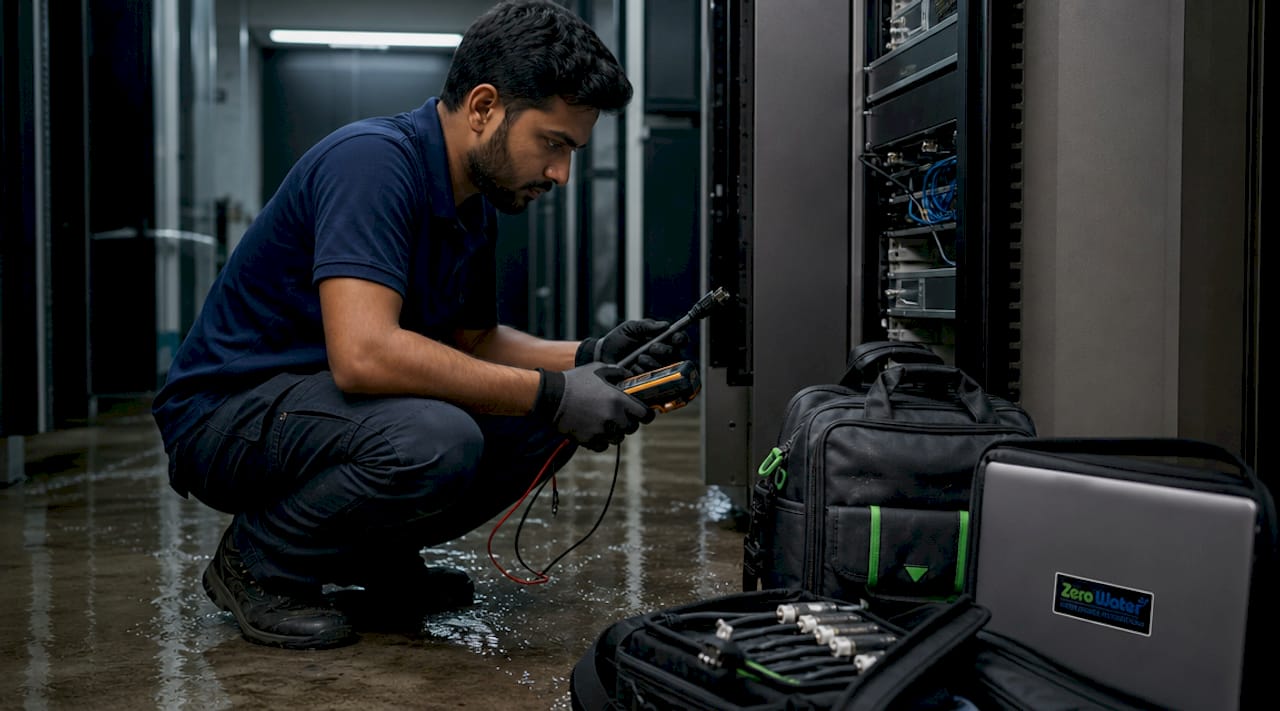
- Moisture mapping. Technicians use thermal imaging cameras and moisture meters to locate hidden saturation that is invisible to the eye.
- Containment and phased restoration. Negative-air pressure barriers isolate the damaged zone, allowing unaffected areas of the building to remain operational. A retail store, for example, can keep its front floor open while the back stockroom is being dried and rebuilt.
- Mold prevention treatment. Antimicrobial applications are applied to all affected surfaces before reconstruction begins.
- Documentation for insurance. Certified restoration companies generate moisture logs, equipment records, and photo documentation that insurance adjusters require for commercial claims.
Professional drying that reaches hidden cavities connected to mechanical systems is the single most important factor in preventing mold re-contamination. Businesses that skip this step face secondary closures weeks later, doubling total downtime and triggering a second insurance claim cycle.
Pro Tip: Ask any restoration company you hire whether they use thermal imaging for moisture mapping. If they do not, they are guessing at drying completion, and that guess will cost you.
What prevention and continuity strategies reduce water damage risk?
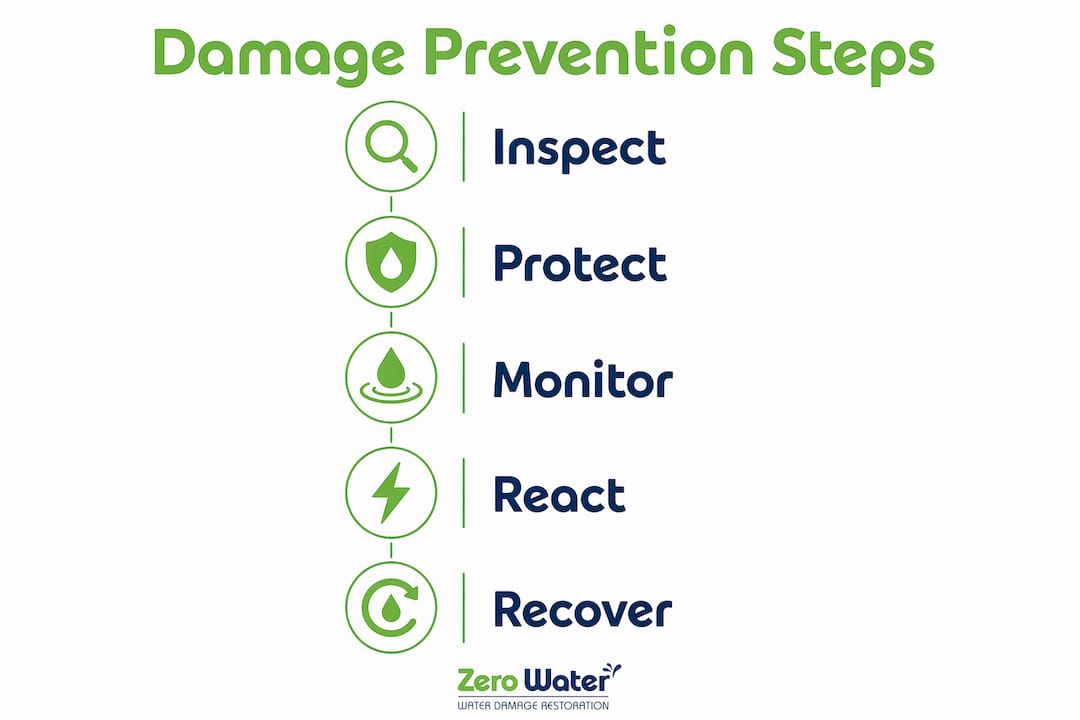
Prevention is the only strategy that eliminates downtime entirely. A business that never floods never loses revenue to flooding. The following measures address the most common sources of commercial water intrusion.
- Routine plumbing inspections. Schedule annual inspections of supply lines, drain systems, and sprinkler connections. Most pipe failures are preceded by corrosion or joint degradation that a licensed plumber can identify before rupture.
- Roof and envelope maintenance. Inspect roof membranes, flashing, and gutters twice per year. Roof leaks account for a significant share of commercial water damage claims and are almost entirely preventable with regular maintenance.
- Water detection systems. Install leak sensors near water heaters, HVAC drain pans, and restroom supply lines. Systems like Moen Flo or Phyn Plus provide real-time alerts and automatic shutoff capability.
- Pre-arranged restoration partnerships. Establish a relationship with a commercial restoration company before an incident occurs. Pre-registered clients receive priority dispatch, which can cut response time significantly.
Beyond physical prevention, a business continuity plan is the operational safety net that keeps revenue flowing when the building cannot be used. A BCP identifies which functions can shift to remote work, which can be outsourced temporarily, and which require physical presence. Small and mid-sized businesses benefit from BCPs just as much as large corporations. The plan does not need to be complex. It needs to be specific about who does what, where, and with which tools when the primary location is unavailable.
| Prevention strategy | Operational benefit |
|---|---|
| Annual plumbing inspections | Catches pipe degradation before failure occurs |
| Roof and flashing maintenance | Eliminates the most common source of interior water intrusion |
| Leak detection sensors | Provides real-time alerts that enable shutoff before major flooding |
| Pre-arranged restoration partner | Reduces response time and guarantees priority service |
| Business continuity plan | Keeps revenue-generating functions active during physical closure |
What should you do in the first 72 hours after water damage?
The first 24 to 72 hours after water damage are the window that determines total loss. Decisions made in this period affect repair costs, mold risk, insurance outcomes, and how quickly the business reopens. Follow this sequence without delay.
- Shut off the water source. Locate and close the main supply valve or the specific line feeding the damaged area. If the source is a roof or storm event, move to step two immediately.
- Cut power to affected zones. Water and live electrical circuits are a life-safety issue. Shut off breakers serving flooded areas before anyone enters.
- Call a commercial restoration company. Do not wait for an insurance adjuster before starting extraction. Delayed extraction increases damage and can give insurers grounds to reduce payouts based on failure to mitigate.
- Document everything before cleanup begins. Walk the entire affected area with a phone camera. Capture timestamped photos and video of all damage, including equipment, inventory, structural elements, and any visible water sources. This documentation is the foundation of your insurance claim.
- Notify your insurance carrier. File the first notice of loss as soon as documentation is complete. Early notification starts the clock on business interruption coverage.
- Communicate with employees and customers. Transparent, timely communication prevents speculation and protects your reputation. A brief message explaining the situation and your expected timeline costs nothing and preserves customer loyalty.
For guidance on the specific steps involved in commercial emergency water removal, having a reference point before an incident occurs puts you ahead of most business owners.
Pro Tip: Never begin cleanup or move damaged items before your documentation is complete. Insurance adjusters rely heavily on visual evidence, and disturbing the scene before photographing it is one of the most common reasons claims are reduced or denied.
How does business insurance cover water damage losses?
Business insurance for water damage involves two distinct policy types that cover different losses. Property insurance covers physical damage to the building, equipment, and inventory. Business interruption insurance, often called BI coverage, covers lost revenue and ongoing fixed expenses during the closure period. These are separate coverages, and many business owners discover too late that they purchased one without the other.
Business interruption insurance carries a waiting period of 24 to 72 hours before coverage activates. This means the first one to three days of fixed costs fall entirely on the business. Cash reserves sufficient to cover at least one week of operating expenses are the practical buffer that prevents a water damage event from becoming an insolvency event.
Common mistakes that reduce or delay insurance payouts include:
- Starting cleanup before documenting damage thoroughly
- Failing to keep receipts for all emergency mitigation expenses
- Underreporting inventory loss because pre-damage records were not maintained
- Missing policy notification deadlines, which vary by carrier
- Not understanding exclusions, such as flood damage from external sources requiring separate flood insurance
Working with a restoration company that coordinates directly with insurance adjusters removes much of this burden. For a deeper look at the documentation process, the insurance claims guide from Zerowaterrestoration walks through each step in detail. Understanding why insurers deny property claims is equally valuable preparation before you ever need to file one.
Key takeaways
Water damage disrupts business operations through simultaneous revenue loss, asset damage, and insurance complexity, and the speed of professional response determines how much of that loss is recoverable.
| Point | Details |
|---|---|
| Revenue loss starts immediately | A 10-day closure can cost over $21,000 in lost revenue before repairs begin. |
| First 72 hours are decisive | Emergency extraction and documentation in this window control total damage and claim outcomes. |
| Phased restoration preserves cash flow | Containment barriers allow unaffected areas to stay open during active restoration. |
| BI insurance has a waiting period | Coverage activates after 24 to 72 hours, requiring cash reserves for the gap. |
| Prevention eliminates downtime entirely | Plumbing inspections, leak sensors, and a business continuity plan remove the risk before it materializes. |
What I’ve learned about the real cost of water damage for businesses
After more than a decade working commercial water damage cases across the Chicagoland area, the pattern I see most consistently is this: the businesses that suffer the most are not the ones with the worst floods. They are the ones that waited.
Waiting for the insurance adjuster before calling a restoration company. Waiting to see if the wet carpet dries on its own. Waiting to tell customers what happened. Every one of those delays multiplies the final cost. The physical damage is almost always fixable. The reputation damage from a two-week unexplained closure, or the mold problem that surfaces six weeks after a “completed” cleanup, is far harder to recover from.
The other thing I have seen underestimated repeatedly is the value of phased restoration. Most business owners assume water damage means a full shutdown until everything is done. That is rarely true with a skilled commercial restoration team. Containment barriers, negative-air pressure systems, and sequenced drying schedules can keep significant portions of a business operational throughout the process. That is not a minor convenience. For a business generating $10,000 a week, keeping even half the operation running during a two-week restoration saves $10,000 in lost revenue.
My honest advice: build the relationship with a restoration company before you need one. Know their number. Know their response time. Have your continuity plan written down. The businesses that recover fastest are the ones that made decisions before the water arrived.
— Jim
How Zerowaterrestoration helps businesses recover faster
When water damage hits your business, every hour of downtime has a dollar amount attached to it. Zerowaterrestoration provides 24/7 emergency commercial restoration for businesses throughout Schaumburg, Arlington Heights, Barrington, Lake Zurich, and the greater northwest Chicago suburbs. The team arrives with industrial extraction equipment, deploys phased restoration to keep unaffected areas operational, and handles direct coordination with your insurance adjuster from the first call through final documentation. Services cover the full scope: water extraction, structural drying, mold remediation, and complete reconstruction. For businesses in the northwest suburbs, commercial restoration services are available around the clock. Call (847) 515-7000 for a free inspection and same-day response.
FAQ
How quickly does water damage affect a business?
Water damage begins disrupting operations within minutes of intrusion, with structural saturation, equipment damage, and safety hazards developing within the first few hours. Even one inch of water can trigger a full operational shutdown.
What is business interruption insurance and does it cover water damage?
Business interruption insurance covers lost revenue and fixed expenses during a closure caused by a covered event, including most water damage scenarios. It carries a waiting period of 24 to 72 hours before coverage activates, so cash reserves are needed for the initial gap.
Can a business stay open during water damage restoration?
Yes, in many cases. Phased restoration using containment barriers and negative-air pressure systems allows unaffected areas of a building to remain operational while damaged zones are being dried and rebuilt.
What is the most important step in the first 24 hours after water damage?
Calling a commercial restoration company to begin extraction is the single most impactful step. Delayed extraction expands structural damage, increases mold risk, and can give insurance carriers grounds to reduce claim payouts.
How do I prevent mold after a commercial water damage event?
Professional drying that reaches hidden wall cavities and mechanical chases is the critical factor. Surface drying alone leaves moisture that produces mold within 24 to 48 hours. For more detail, the guide on preventing mold after flooding covers the full process.